
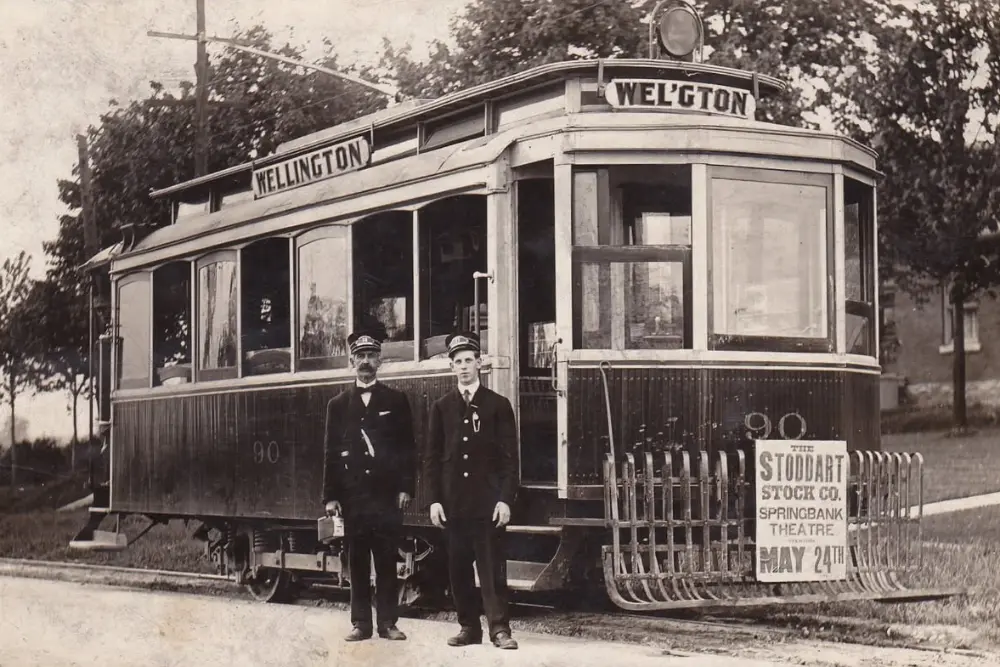
Before London had its modern transit system, before buses and bike lanes, there were streetcars. For sixty-five years, these iron-wheeled vehicles clattered along London’s streets, carrying workers to factories, families to parks, and dreams to new neighborhoods. They didn’t just move people; they built the very fabric of our city.
Today, we’ll journey back in time to explore the rise and fall of London’s streetcar system. Whether you’re a curious visitor planning your first trip to the Forest City or a longtime resident wanting to understand how your neighborhood came to be, this story reveals how transit shaped London’s downtown core into the welcoming, walkable community it is today.
The Beginning: The Age of Horse Power (1875-1895)
Picture this: It’s May 24, 1875, Victoria Day. Londoners gather with excitement along Dundas Street, waiting to board something completely new. Not a train bound for Toronto, but a small wooden passenger car pulled by horses, ready to transport locals between Richmond and Adelaide Streets.
The London Street Railway Company (LSR) had just laid three miles of track, at a cost of $5,000 per mile, and the city would never be the same.
This wasn’t glamorous travel. The cars were simple, the horses were hardworking, and the ride could be bumpy. Later, on snowy winter days, passengers might even need to step out and give the carriage a push to get it moving again. But for Londoners of the 1870s, this was revolutionary.
The population of London at the time was 18,413.
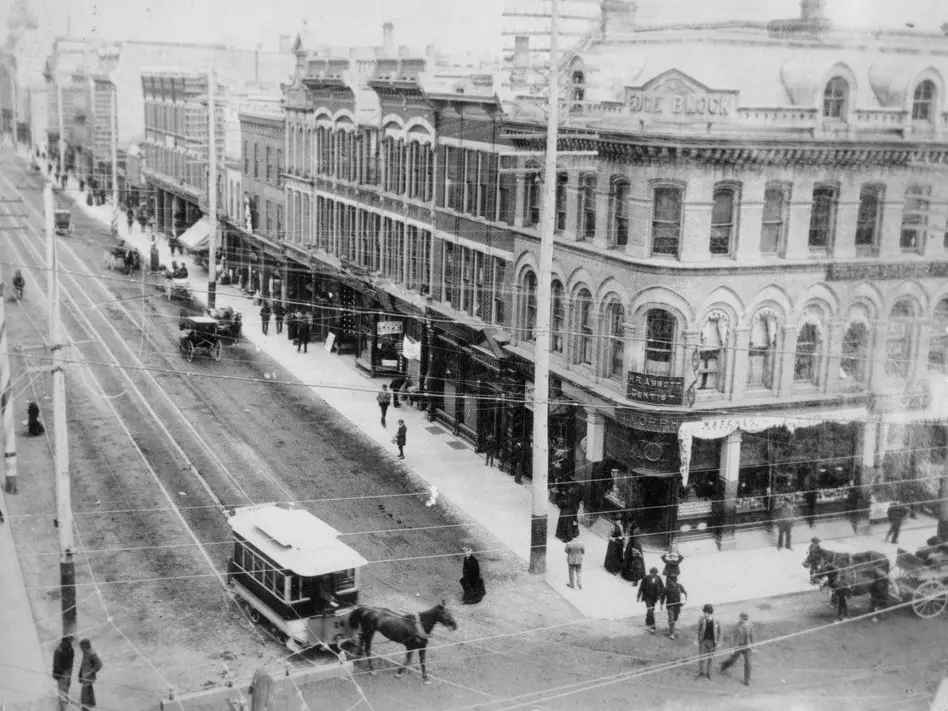
(Photo credit: Wikimedia Commons).
The Depot at Dundas and Lyle
The LSR quickly established its main operations facility at the corner of Dundas and Lyle Streets, creating a hub that would anchor the city’s east end. From this modest depot, horse-drawn cars began connecting London’s scattered settlements, giving early residents a reliable way to reach the bustling downtown core.
For working-class families in the eastern suburbs, the streetcar wasn’t just convenient; it was essential. It provided a scheduled, affordable link to jobs, shops, and community life downtown. This early transit system began the process of weaving London’s distinct neighborhoods into a single urban fabric.
The Rise of the Electric Streetcar (1895-1940)
By 1895, London was ready for an upgrade. The city retired its horse-drawn carriages and embraced the future with overhead wires and shiny new electric trolleys. This electrification transformed everything.
Suddenly, streetcars could travel faster, carry more passengers, and climb hills that would exhaust any horse. More importantly, they could reach farther. The LSR expanded aggressively, laying tracks into previously isolated areas and opening up new lands for residential development.
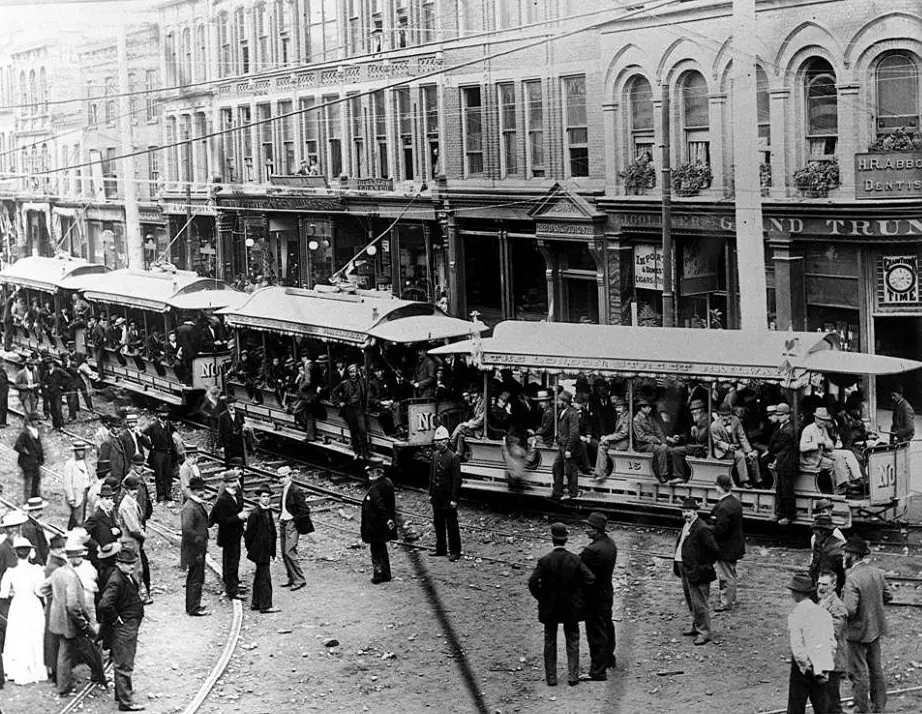
(Photo credit: Archives and Special Collections, Western University).
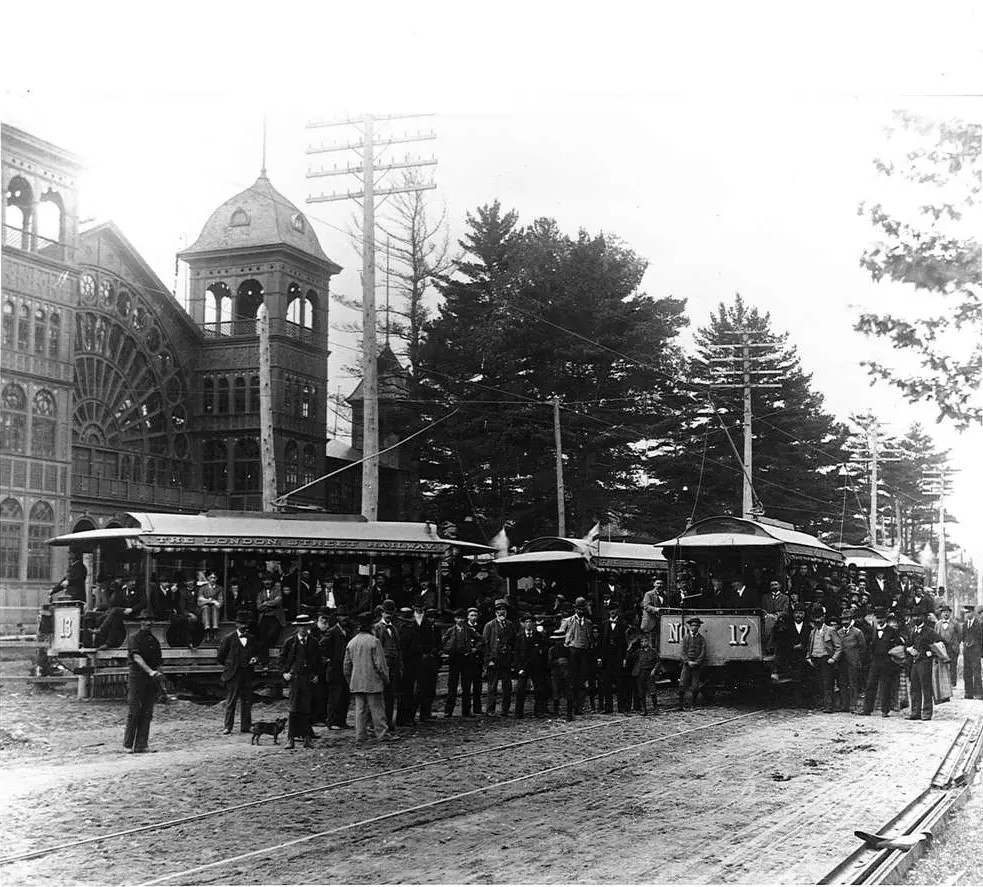
(Photo credit: London Public Library, Museum London).
Branching Out in Every Direction
At its greatest extent, the streetcar rail system extended 24 miles through the city, spreading like tree roots to connect to London’s growing suburbs:
Heading East Along Hamilton Road
- The tracks pushed deep into the Hamilton Road district, connecting industrial workers to factories and providing a vital link between peripheral residential neighborhoods and the city’s manufacturing heart. This corridor became a bustling artery of working-class life.
Crossing the Thames
- Bridges over the river at Wharncliffe Road and Ridout Street carried streetcars into the southern and western sectors of the city. Communities that had once felt isolated were suddenly absorbed into London’s economic and social life. Residents could easily reach downtown markets, shops, and services.
Marching North Up Richmond Street
- The northern trunk line along Richmond Street accelerated development in the city’s northern quarters. New subdivisions sprang up along the route, confident that residents would have reliable transportation to the downtown core.
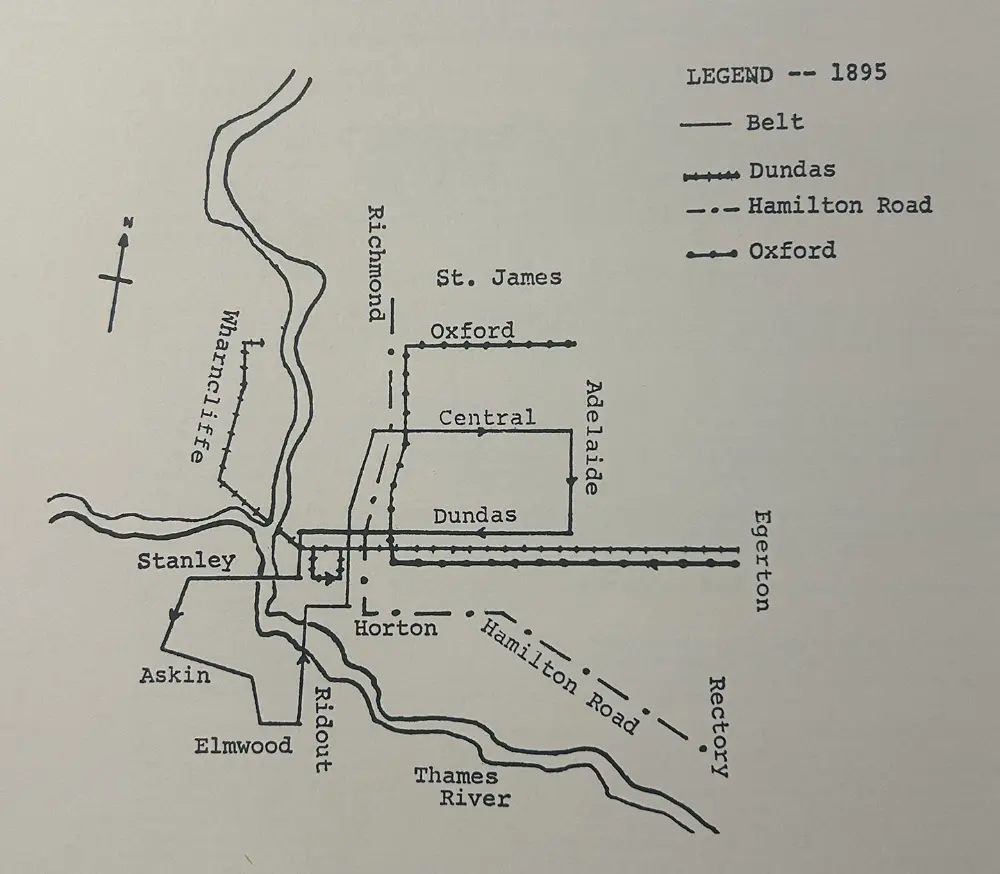
(Source: London Transit).
The Crown Jewel: Springbank Park
Perhaps the most beloved streetcar line was the one that terminated at the gates of Springbank Park, then known simply as the Waterworks. On hot summer weekends, Londoners would pile into open-air cars, escaping the city’s heat for a day of leisure by the river.
To illustrate that point, on May 24, 1896, the first day the new branch line opened, over 10,000 excursionists made the trip to Springbank Park, almost a third of the population of London at the time.
This line demonstrated something profound about transit. By making a distant park accessible to everyone, the streetcar transformed a peripheral rural area into London’s shared backyard. It brought communities together, created shared experiences, and enhanced the city’s quality of life in ways that still echo today.
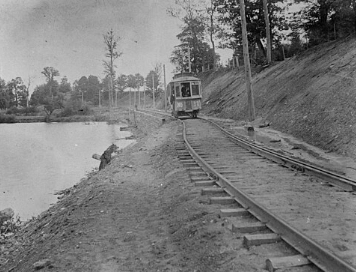
(Photo credit: Ivey Family London Room, London Public Library, London, Ontario, Canada).
Connecting Neighborhoods, Building Community
By the early 1900s, London’s streetcar network had become the social fabric of the city. It wasn’t just about getting from point A to point B. It was about connecting people. Neighbors met on trolleys. Families made weekend excursions. Workers shared commutes. The streetcar was, in many ways, the original social network, bringing Londoners together one block at a time.
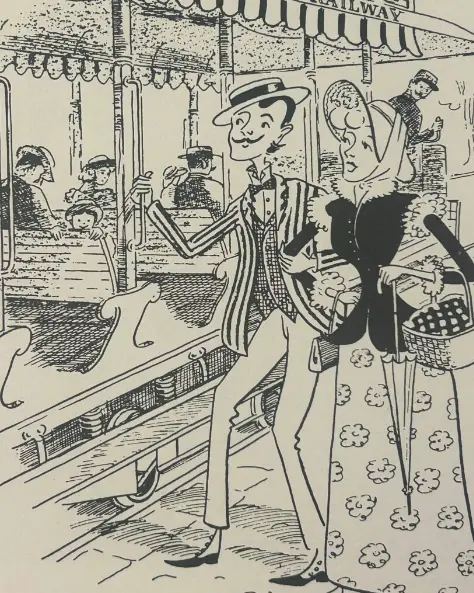
(Photo credit: London Transit).
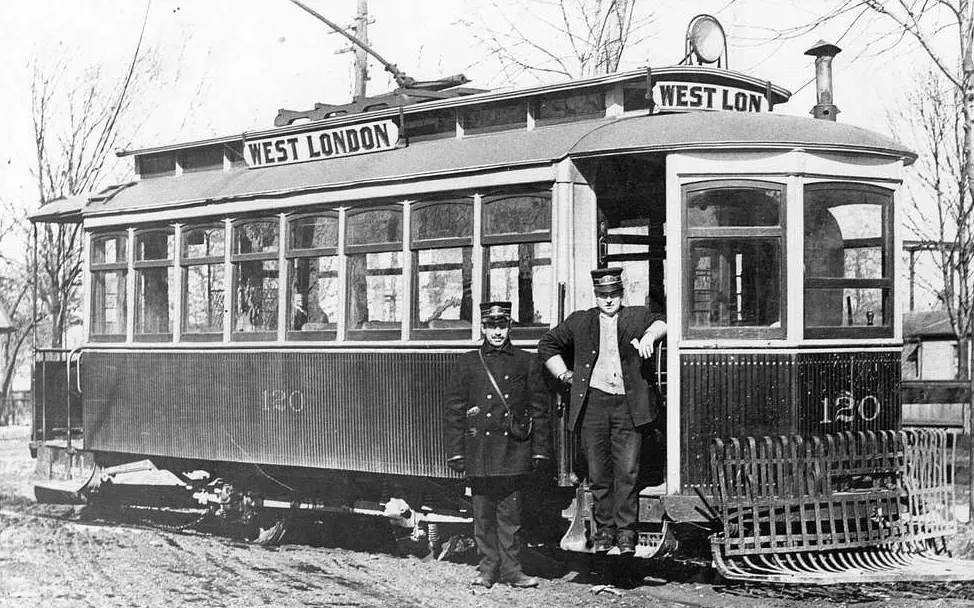
(Photo credit: Ivey Family London Room, London Public Library, London, Ontario, Canada).
The End of an Era: The Trolleys Go Silent
Winter’s Wrath
As much as Londoners loved their streetcars, the relationship with Canadian winters was always complicated. Heavy snowstorms regularly brought the iron trolleys to a grinding halt. Ice accumulation on overhead wires and frozen switches caused frequent service interruptions.
In a city where winter can arrive with vengeance, the fixed-rail system’s vulnerabilities became increasingly apparent. When snow buried the tracks, streetcars simply couldn’t operate. Passengers were stranded, businesses lost customers, and the city’s mobility ground to a halt.
The Rise of the Bus
By the 1920s, a new competitor appeared on London’s streets: the gasoline bus. These rubber-tired vehicles didn’t require expensive tracks or overhead wires. They could navigate around obstacles, adjust routes to meet changing demand, and most importantly, they could operate in snow.
The flexibility and lower maintenance costs of buses made them increasingly attractive to transit operators. The writing was on the wall for the old streetcar system.
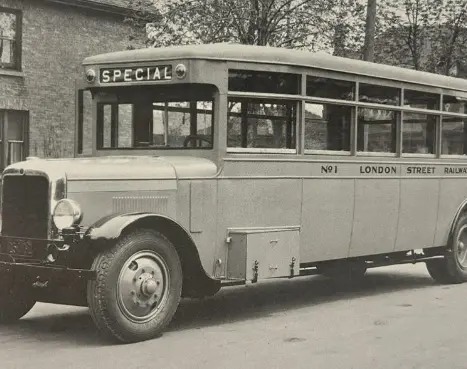
(Photo credit: London Transit).
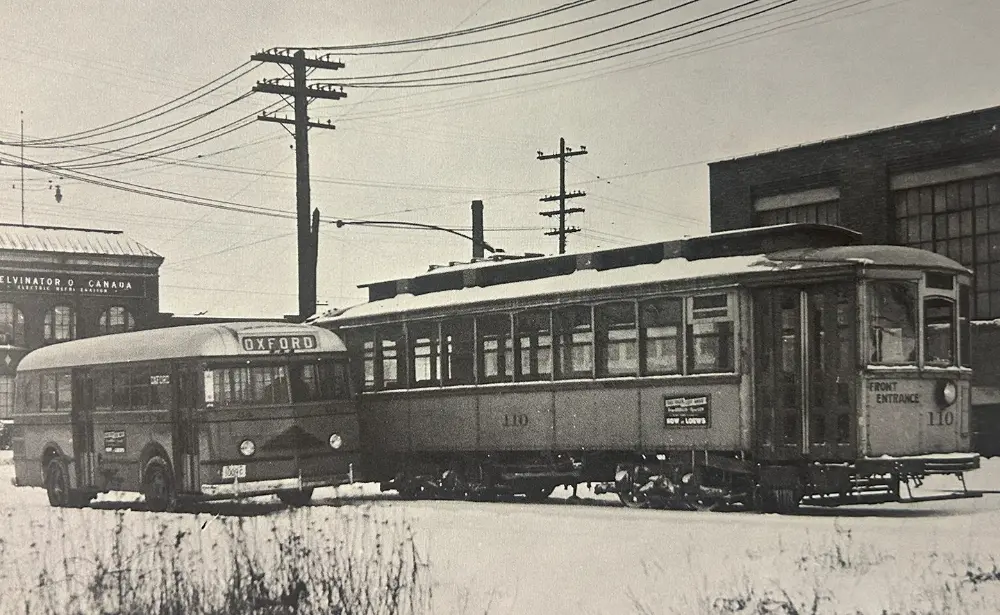
(Photo credit: London Transit).
The Final Stop
On November 29, 1940, Londoners bid a fond farewell to their last streetcar line. After 65 years of service, the network that had shaped the city’s growth fell silent. In 1941, the tracks were paved over or ripped up, the overhead wires removed, and the trolleys sent to storage or scrap.
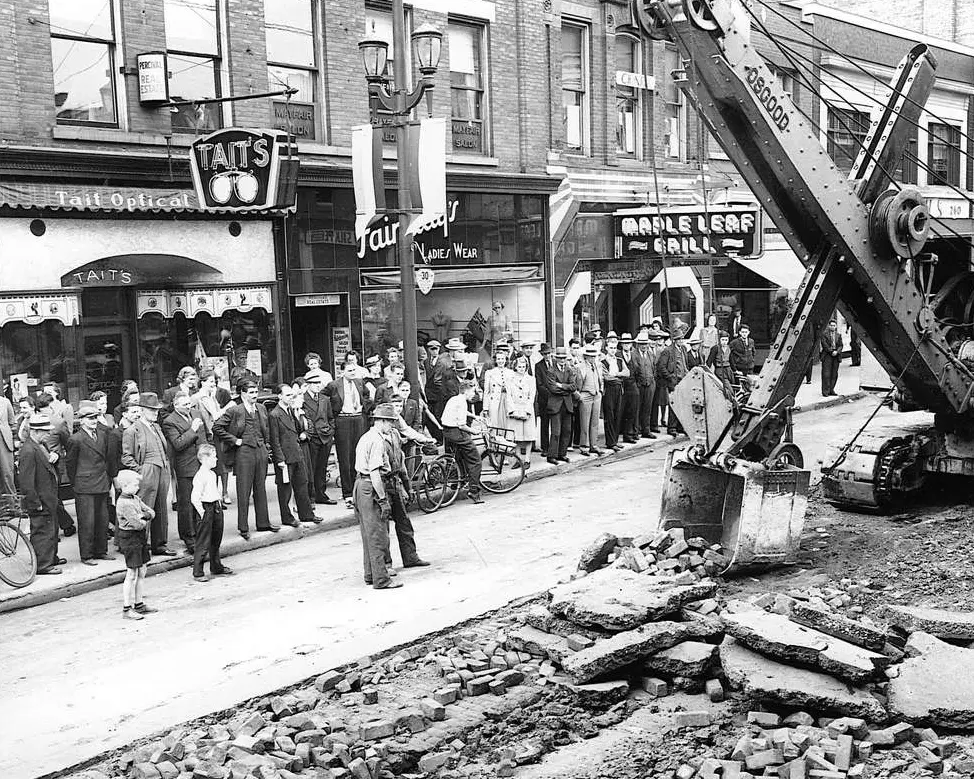
(Photo credit: Archives and Special Collections, Western University).
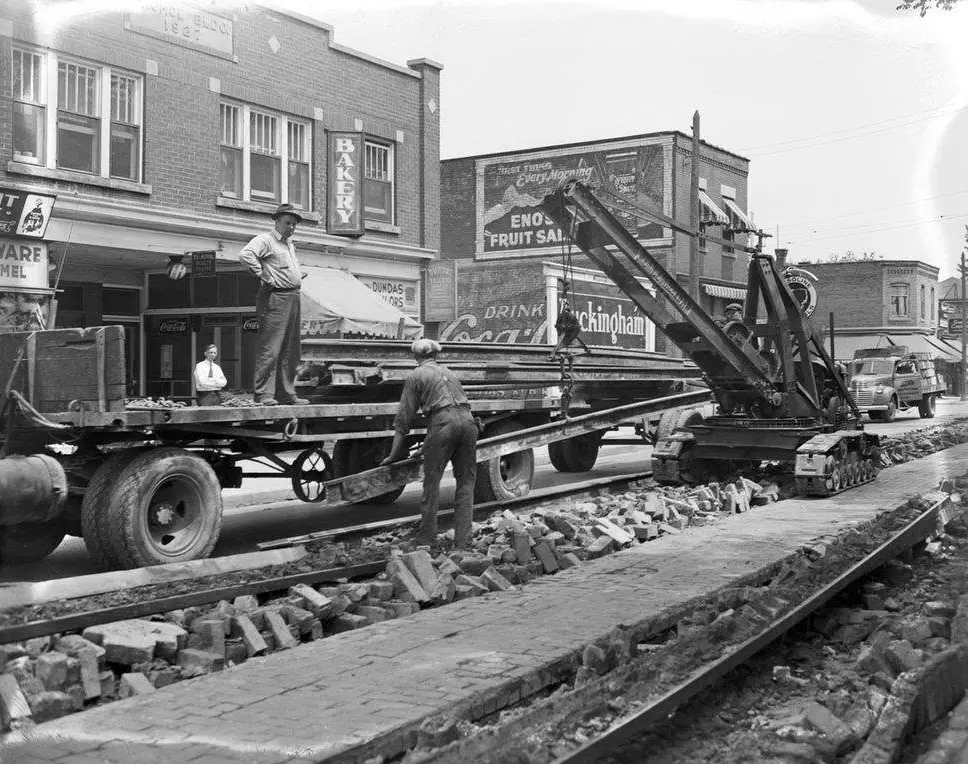
(Photo credit: Archives and Special Collections, Western University).
It was the end of an era. But it wasn’t the end of the story.
Echoes of the Rails: London’s Hidden History
Buried Treasure Under the Asphalt
If you walk down certain streets in downtown London today, you might be walking on history. City construction crews occasionally unearth buried wooden ties and steel rails during utility digs beneath downtown asphalt. These ghostly remnants remind us of the network that once connected our city.

(Photo credit: Julianne Hazlewood/CBC).
London Street Railway Car #23: A Survivor’s Tale
Not everything from the streetcar era was lost. London Street Railway Car #23, built in 1901, has a remarkable survival story. After retiring from active service in 1935, it found a second life as the men’s changing room at Wonderland Gardens, serving swimmers and park visitors for decades.
Eventually it was rescued, and between 1983 and 2000, it was lovingly restored. Car #23 now lives at the Halton County Radial Railway museum in Milton, Ontario, where visitors can step aboard and imagine what it was like to ride through historic downtown London.
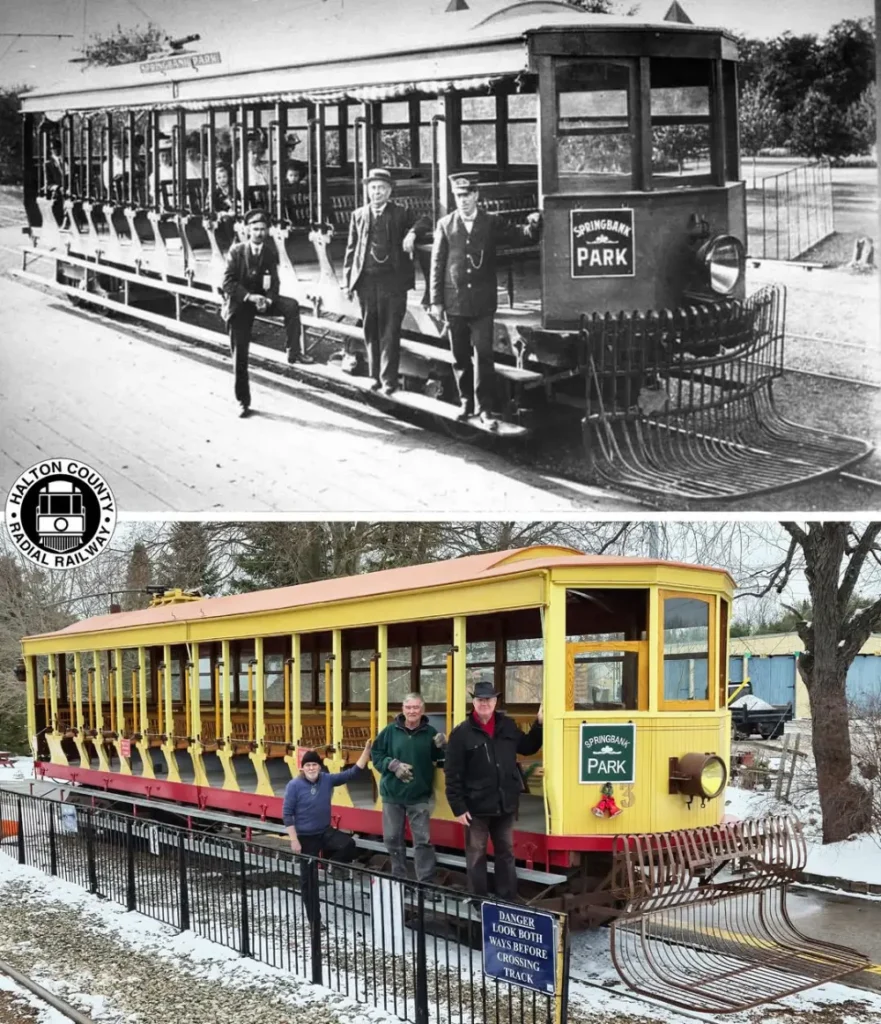
Notice the near-identical poses of the three people in both photos.
(Photo credit: Halton County Radial Railway).
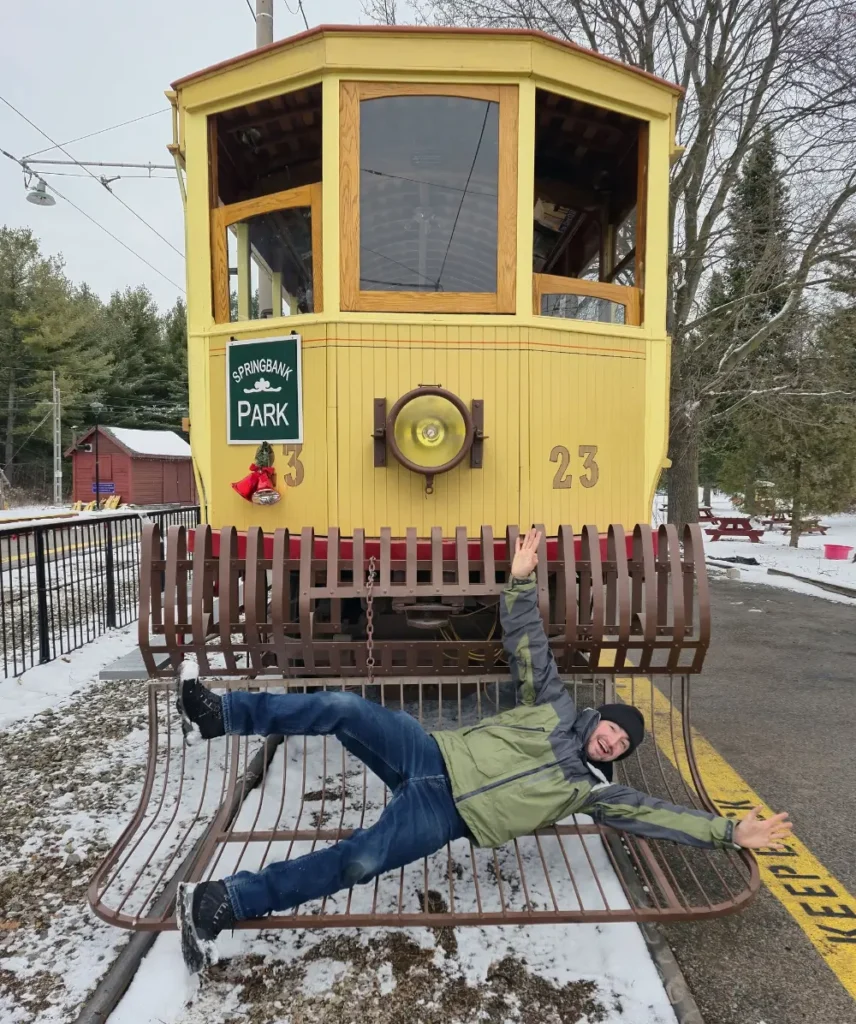
(Photo credit: Halton County Radial Railway).
Why This History Matters for Visitors Today
A Walkable, Bikeable City
The legacy of streetcars is visible in London’s compact downtown core. Because the trolley system encouraged development along transit corridors, many areas of the city remain pedestrian-friendly and accessible today. This makes London an excellent city for exploring on foot or by bicycle.

(Photo credit: Lawrence Durham).
Hi, I’m Lawrence. I’m a bicycle tour guide, storyteller, and proud Londoner who loves showing off this city’s hidden gems. My passion is helping curious visitors like you discover the fascinating history, vibrant neighborhoods, and beautiful spaces that make London special.
If you’d like to experience some of these stories up close and personal, join me for a guided bicycle tour. Small groups, big laughs, and plenty of local flavor.
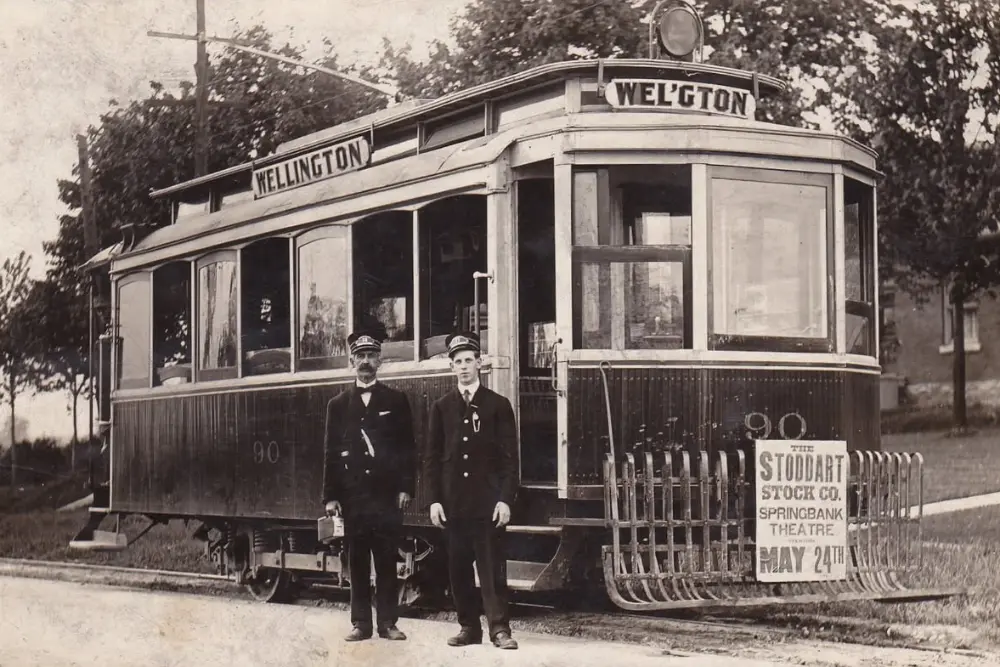
Credit for featured cover photo: Vintage London, Ontario.