
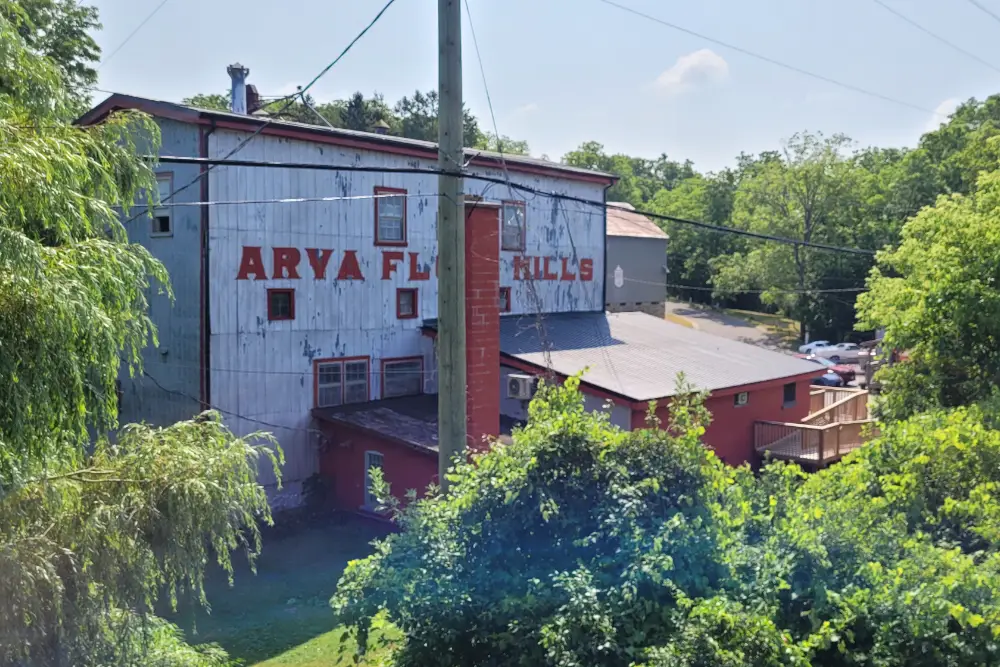
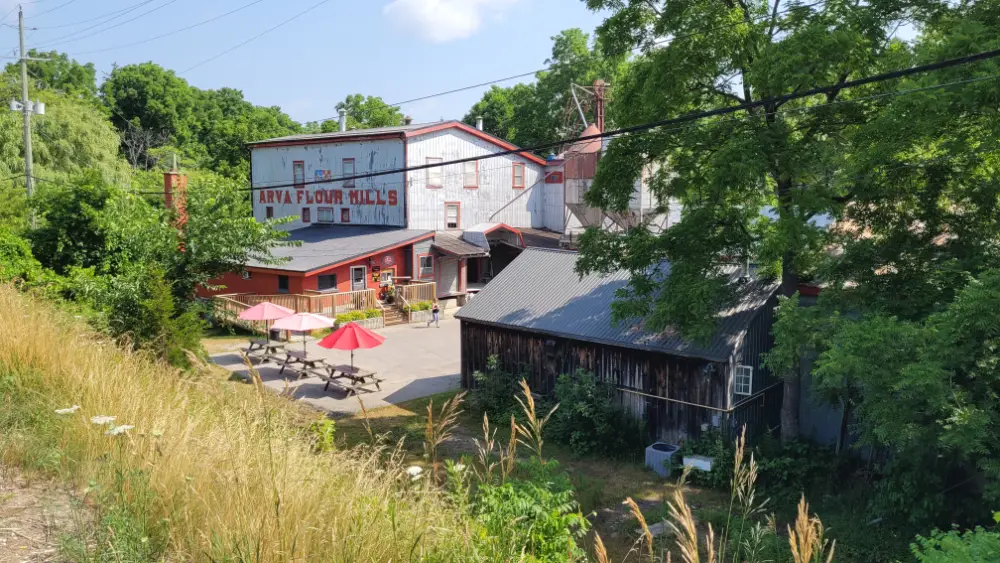
Just a short pedal north of London, Ontario, time slows down. Nestled on the banks of Medway Creek in the village of Arva, a five-story wooden giant has been humming, almost nonstop, since 1819. That’s 207 years of continuous operation, making Arva Flour Mills not just Canada’s oldest continuously operating commercial flour mill, but the fifth oldest continuously operating business in the entire country. To put that in perspective, this mill was grinding flour 48 years before Canada even became a nation.
It’s a living piece of history. But what truly captivates visitors, and keeps customers coming back decade after decade, is that the mill stubbornly refuses to modernize in the ways that matter most. It still uses antique equipment, century-old leather belts, and traditional cold-roller methods to produce flour that people swear tastes more “alive” than anything from a massive industrial processor.
Here’s why this heritage landmark endures, and why it’s a must-visit destination for anyone seeking authentic experiences near London.
A Foundation Built by Hand
In 1819, there were no sawmills or heavy equipment to move the massive logs needed to construct the mill. Everything was built by hand. The logs came from the immediate area and were shaped to size with axes and adzes, a testament to the grit and craftsmanship of early settlers in what was then Upper Canada (modern-day Ontario).
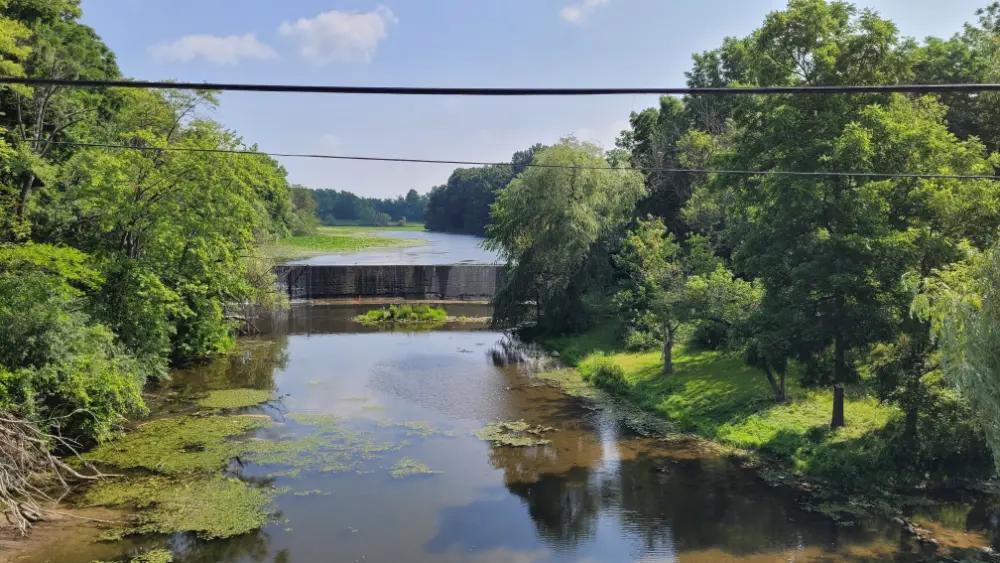
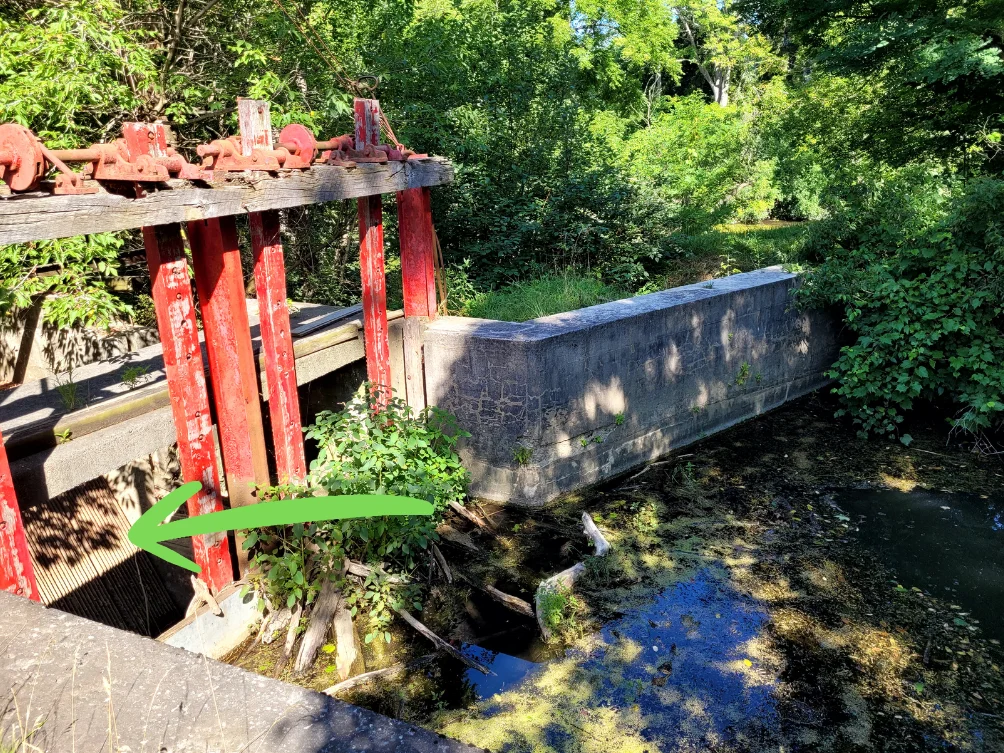
The original power source was the water from nearby Medway Creek. A dam was built, and a mill race directed a stream of water to the mill, where it fell 15 feet onto turbines in the basement. That falling water turned a series of pulleys and leather belts, powering all the grinding and milling machines on the upper floors. Today, the water still runs through the original water power generating station in the second basement.
For 100 years, falling water was the mill’s only power source. Then, part of the mill was converted to electricity. Another hundred years passed before the rest was fully electrified. It’s a slow, deliberate approach to change, and that philosophy extends to everything they do.
The Antique Equipment: Deliberately Old-School
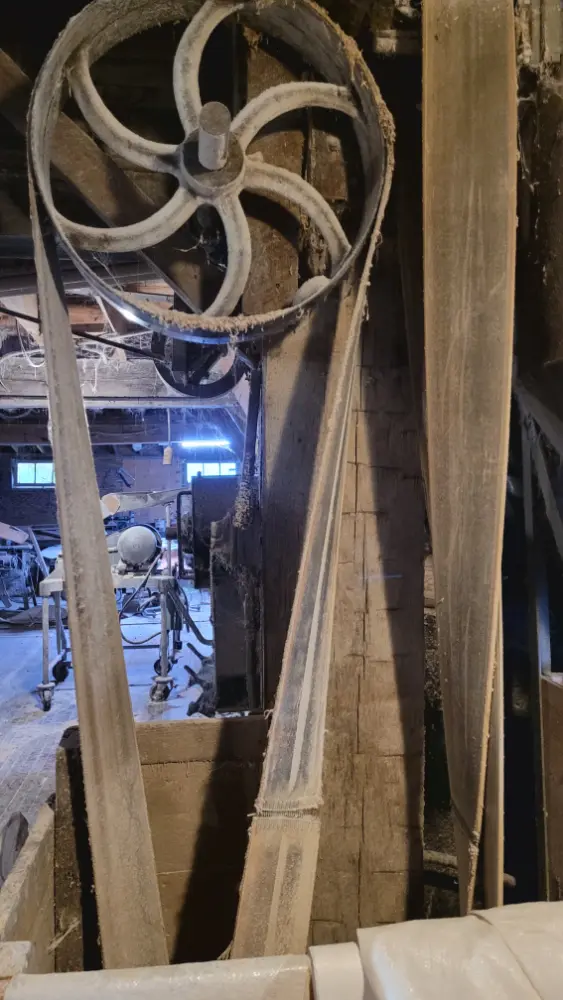
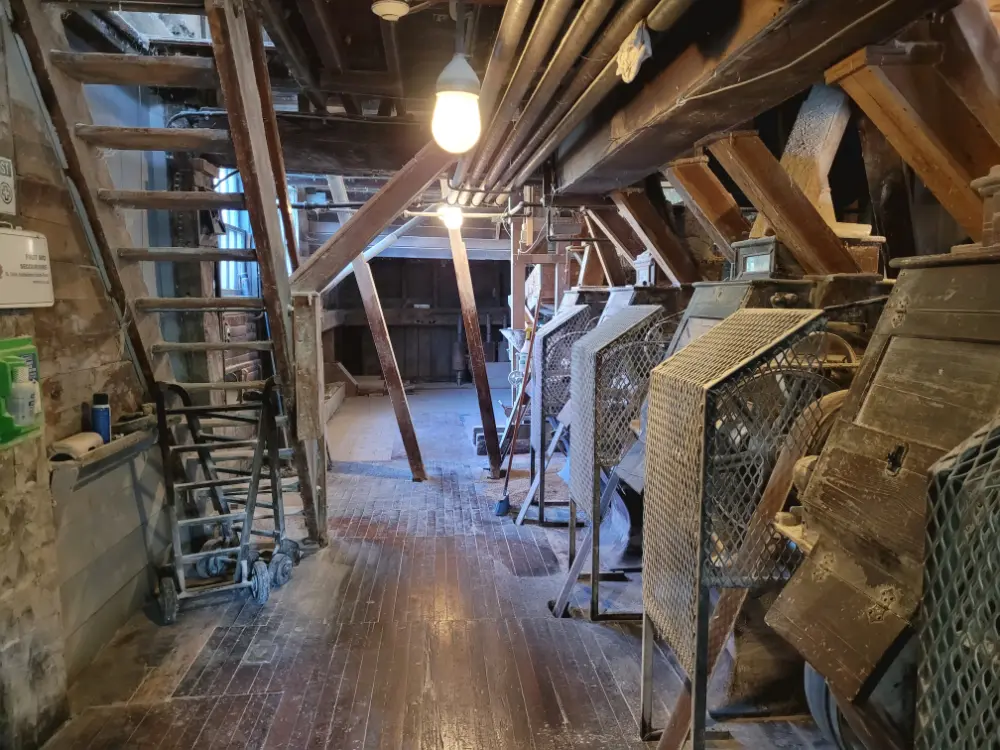
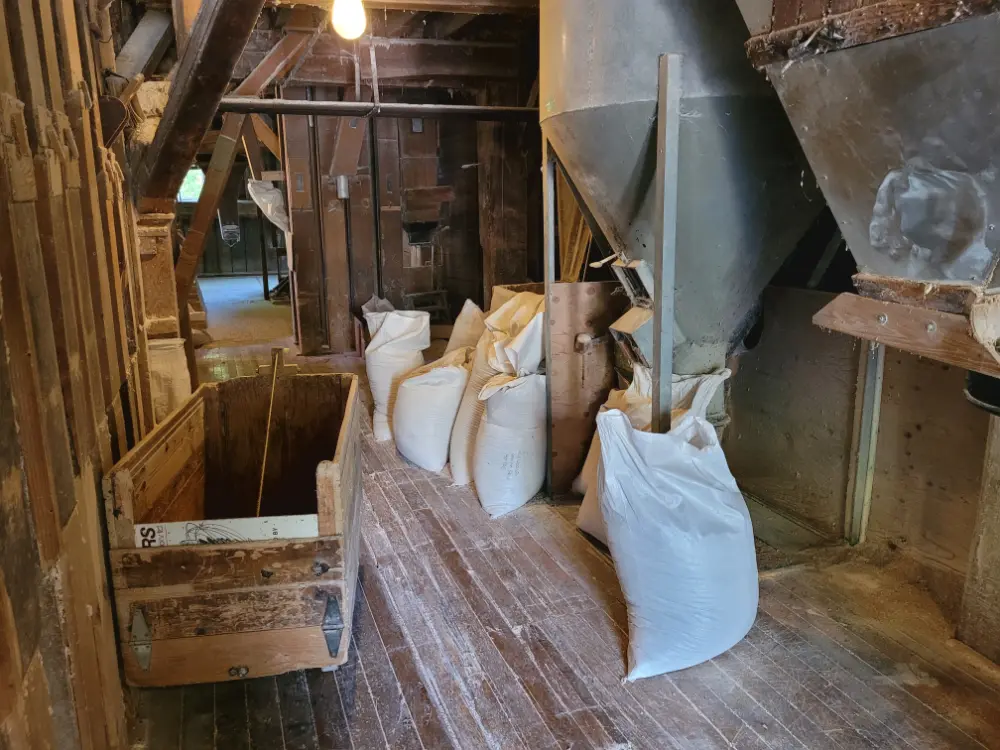
Walk inside the mill today, and you’re stepping into a machine shop from another era. The top three floors process the wheat, starting at the top and using gravity to feed the grain through multiple machines at various levels. In the two basements, the power-generating equipment operates, with long leather belts driving pulleys throughout the building.
Many of those leather belts you see are original equipment. They don’t make replacement parts for these machines anymore. In fact, some of the spare belts and parts stored in the basement are 150 years old. Nothing gets thrown away because when something breaks (and things this old do break), they have to hope something is in the spare parts bin, or make it themselves. That’s why the mill maintains its own woodworking and metalworking shops.
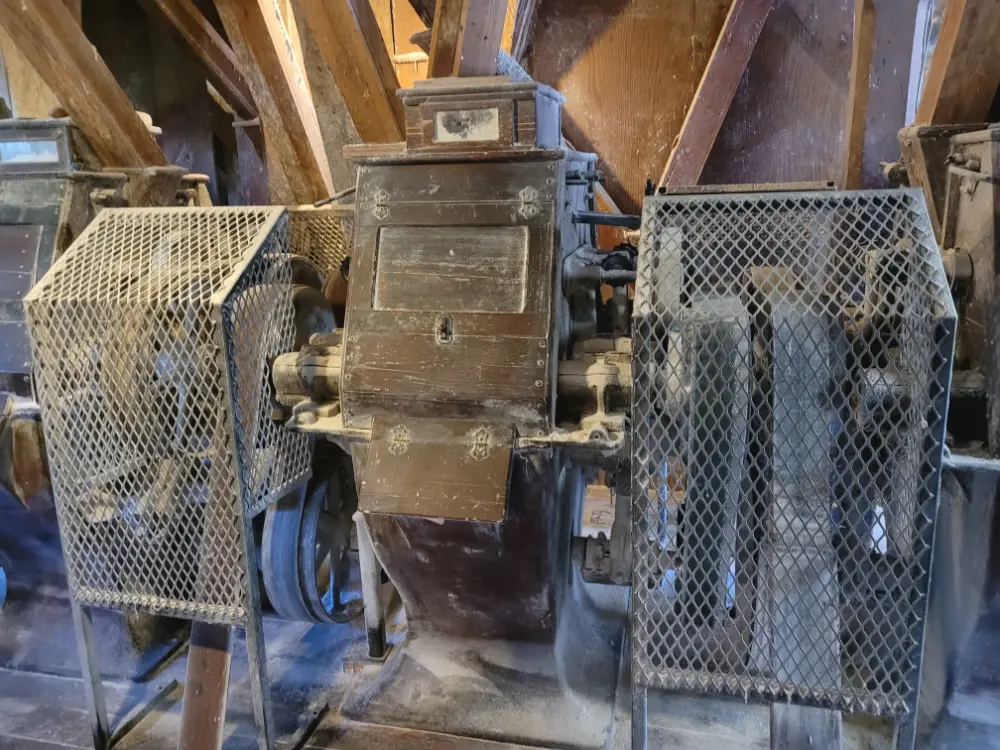
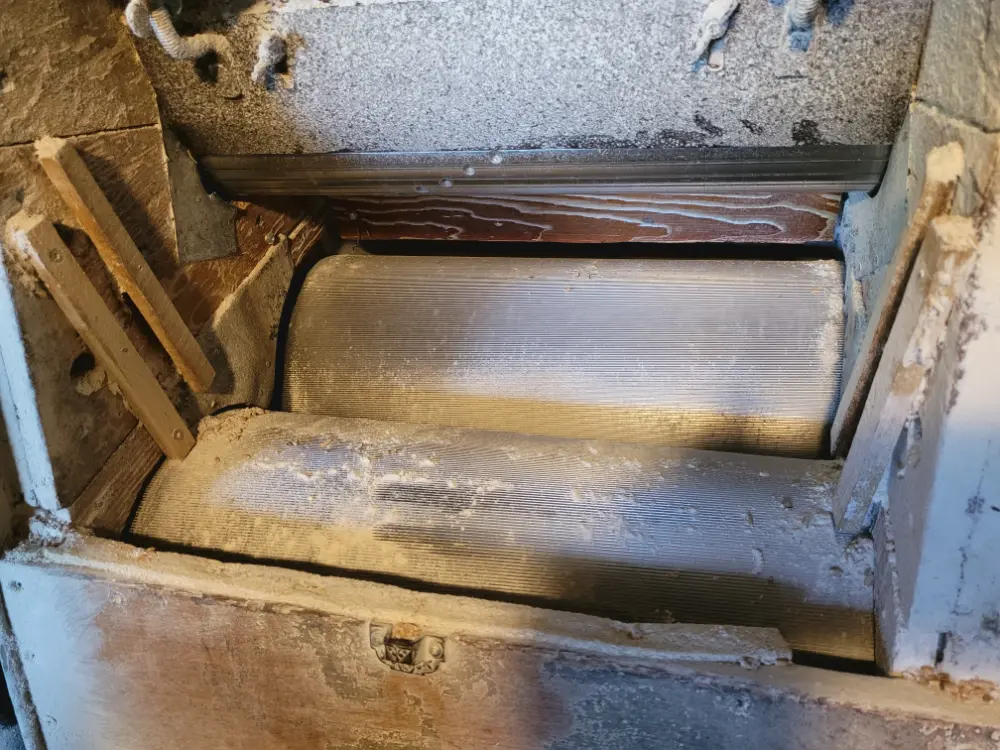
The core of the operation is the antique Goldie & McCullough cold roller mills, installed in 1901. These machines replaced the original stone grist millstones but preserved the artisanal spirit of the mill. Today, you would be hard-pressed to find some of their working flour milling machines anywhere else (except perhaps in museums).
Safety in a Living Museum
With so many exposed leather belts and antique machinery, one might wonder about safety. Even though the equipment was built in an era before modern safety processes came into play, remarkably, there have been no major accidents in the mill’s 207-year history.
Flour mills elsewhere have often burned down because the fine flour dust creates a significant fire hazard. To combat these risks, Arva Mills has dust mitigation procedures, fire suppression equipment, and strict safety protocols in place. It’s a careful balance, preserving the past while protecting the people who keep it running.
The mill is operated by an operations manager and head miller with decades of experience operating this heritage mill, as well as experience working in more modern facilities. It takes that kind of deep knowledge to keep these antique machines running smoothly.
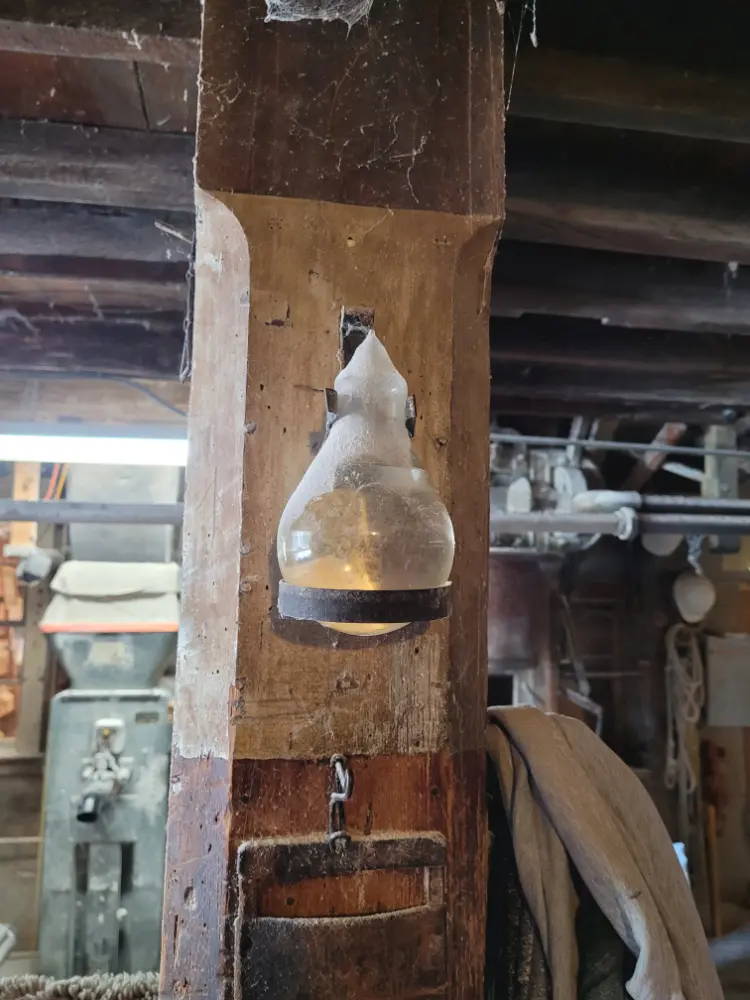
Left photo above: An ancient fire suppression flask. If a fire broke out, the worker would hurl the flask at the fire and run rapidly in the opposite direction. The resulting exploding chemical reaction would suppress the fire.
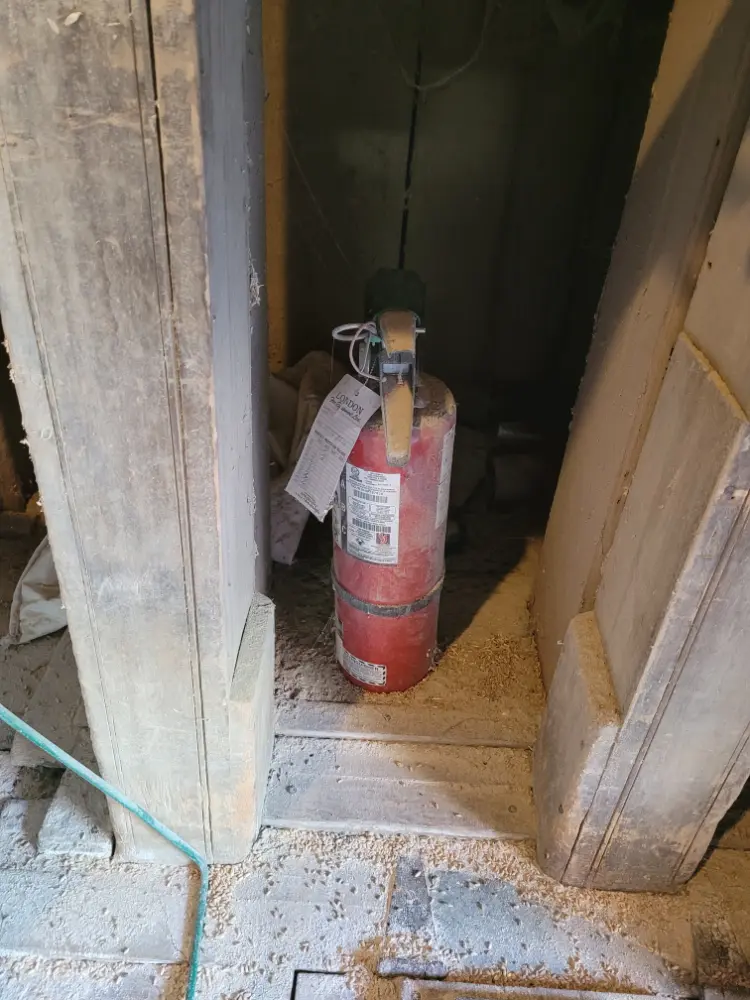
Right photo above: A modern fire extinguisher.
Why Old Ways Make Better Flour
So why continue using such ancient, temperamental equipment when newer technology is more efficient?
The answer lies in the flour itself. Modern high-speed milling generates significant heat, which can destroy beneficial bacteria, enzymes, and nutrients. Arva’s antique cold roller mills grind the grain at lower temperatures, preserving the natural goodness that makes their flour so unique.
Customers often describe the flour as more “lively” in taste, a difference you can actually feel when you bake with it. And because the mill adheres to traditional methods, their flours contain no preservatives, no bleach, and no chemicals. The wheat is non-GMO, sourced exclusively from nearby local farmers, and grown without glyphosate treatment.
The result is a truly authentic, wholesome product. Arva’s Daisy Unbleached Hard Flour, a brand name that has symbolized quality for over 150 years, is a versatile workhorse for everything from artisan breads to everyday recipes. Their whole wheat flour retains the entire kernel, including the bran and germ, making it rich in calcium, iron, and dietary fibre. And their specialty flours, like Organic Spelt and Einkorn, offer unique flavours and nutritional profiles that modern commodity flours simply can’t match.
More Than Just Flour: A Destination for Culture Seekers
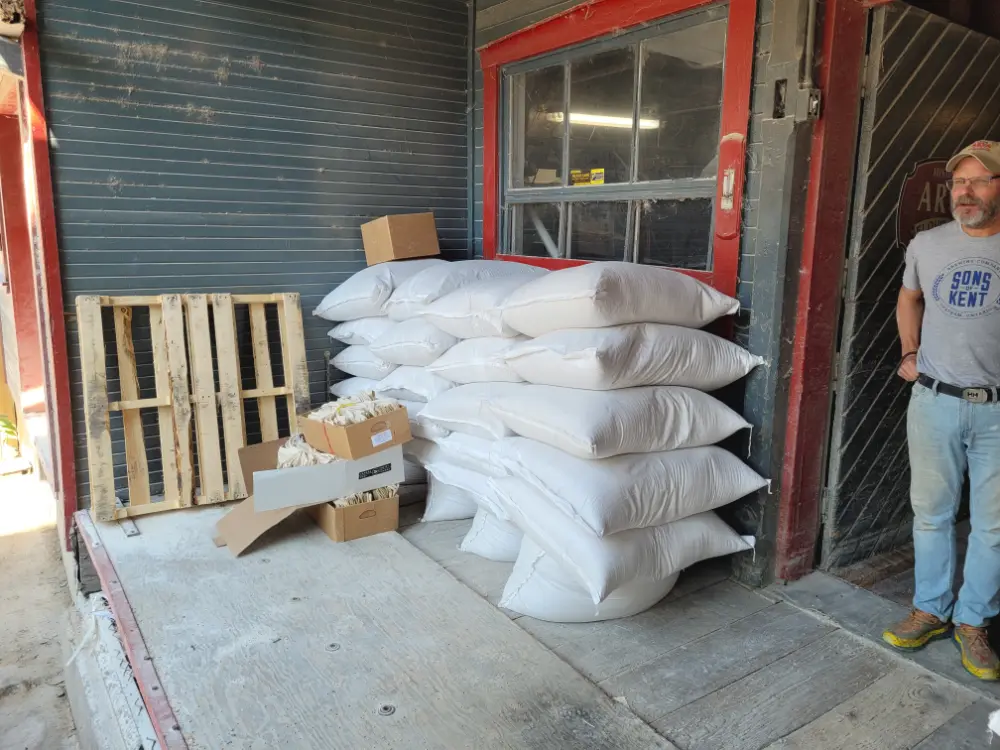
The mill has a capacity to store 160 tons of wheat and can process up to 4 tons of flour per day, or 1,000 pounds per hour. The bran waste is sold locally to farmers, completing a beautiful farm-to-table loop.
But Arva Flour Mills is far more than a production facility. It’s a community hub and a cultural destination.
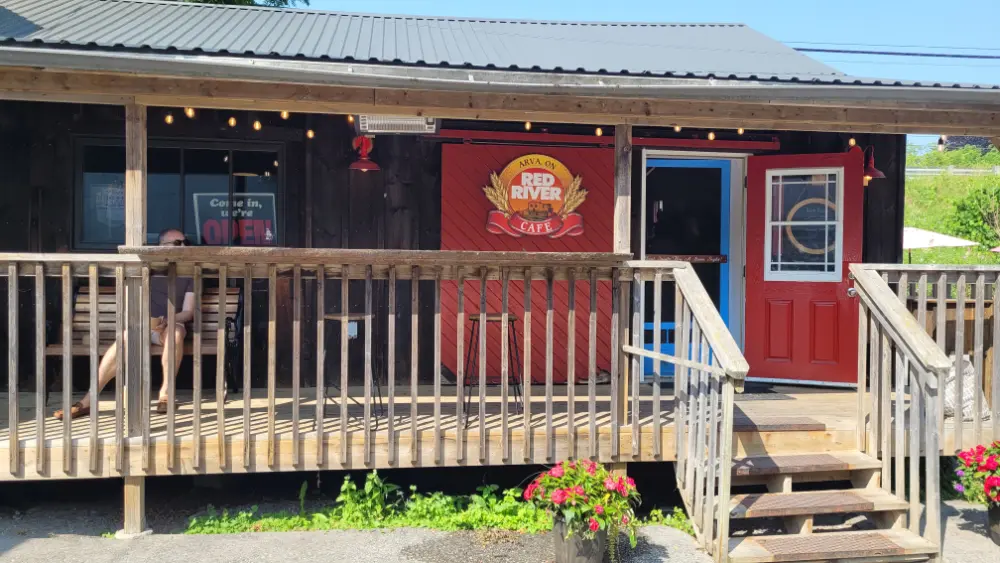
The Red River Cafe, located on site, showcases the products made from the mill’s flours, with a particular emphasis on their legendary scones. Visitors rave about their fresh, artisanal taste. This overwhelming popularity led to the creation of Scone Fest, an annual event held in late spring that aligns with International Scone Day. In its debut year, the festival sold over 2,500 scones. In 2026, the second annual Scone Fest aimed to sell more than 300 dozen, over 3,600 scones, with flavours like strawberry rhubarb and cheddar and chive. Everything is made with fresh-milled flour from the mill, and the dough for thousands of scones is mixed entirely by hand.
The Heritage Festival, held during the second weekend of October, attracts thousands of visitors with free guided tours of the mill, a local vendor market, family-friendly activities, and a BBQ fundraiser.
For those who want to learn the craft of breadmaking, the mill hosts sourdough classes. These classes are held at the Red River Cafe, fill up quickly, and have a huge waitlist.
Rescuing a Canadian Icon: Red River Cereal
In 2022, Arva Flour Mills made a move that endeared them to Canadians from coast to coast. They acquired the beloved Red River Cereal brand from Smucker Foods of Canada Corp. This much-loved Canadian brand had suffered attrition under the previous owners, and since the public had been actively seeking it out, it cemented the decision for Arva Mills to take it on as a new product line.
Now, the cereal is made entirely on site at the historic mill. The original hot cereal blend- cracked wheat, cracked rye, and cracked and whole flax – is crafted the traditional way at Arva Mills. The mill has since expanded the lineup to include a 7 Grain Hot Cereal, Cream of Whole Wheat, and even 100th Anniversary apparel.
Value That Speaks for Itself
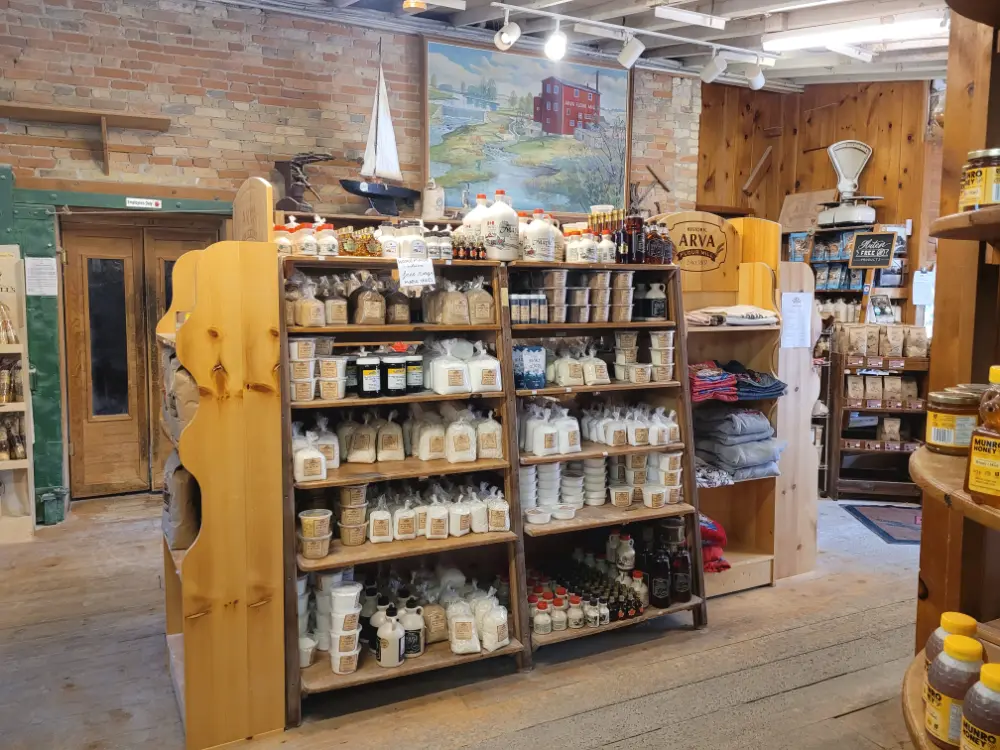
For the customer, Arva Flour Mills delivers exceptional value. They produce a natural, artisanal product with a price that is in line with what other national commercial brands sell for in stores. The customer gets superior quality, flour that’s more nutritious, more flavourful, and better for baking, without paying a premium.
A Living Link to Our Past
As operations manager and head miller Dustin Blackhall, who has worked at the mill for about 20 years, put it: “People often tell me they’ve been coming here for 40 or 50 years and buying the flour. It’s the flour their mom used, it’s the flour their grandma used, so it’s really neat to hear those stories, and it gives me a lot of pride in what I get to do here”.
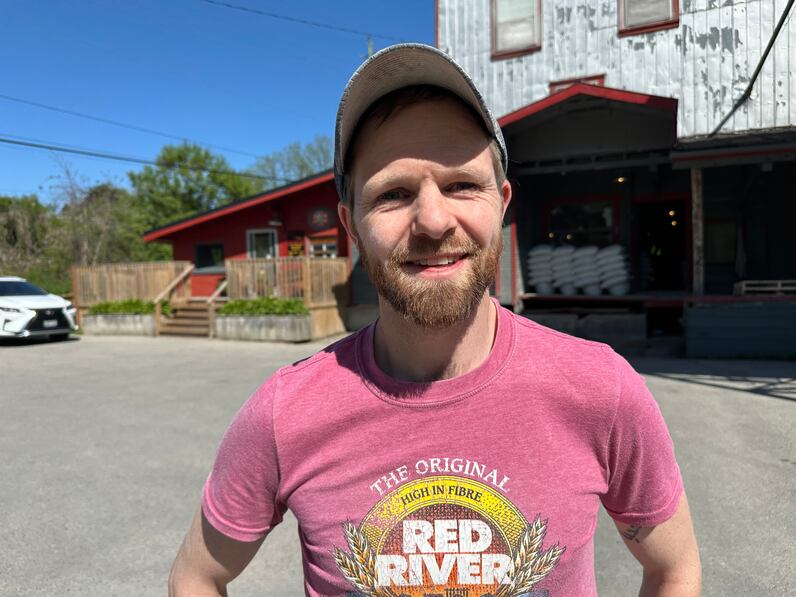
(Photo credit: Andrew Brown/CBC)
Arva Flour Mills has proved to be a cornerstone for the community. It’s a place where history isn’t just preserved behind glass; it’s alive, grinding away, producing flour that connects us to generations past.
The rustic setting, located just north of London on Medway Creek, feels like stepping back into the 19th century.
Whether you’re a baker looking for superior flour, a history enthusiast eager to see living heritage in action, or a food lover chasing the perfect scone, Arva Flour Mills is a destination that delivers.
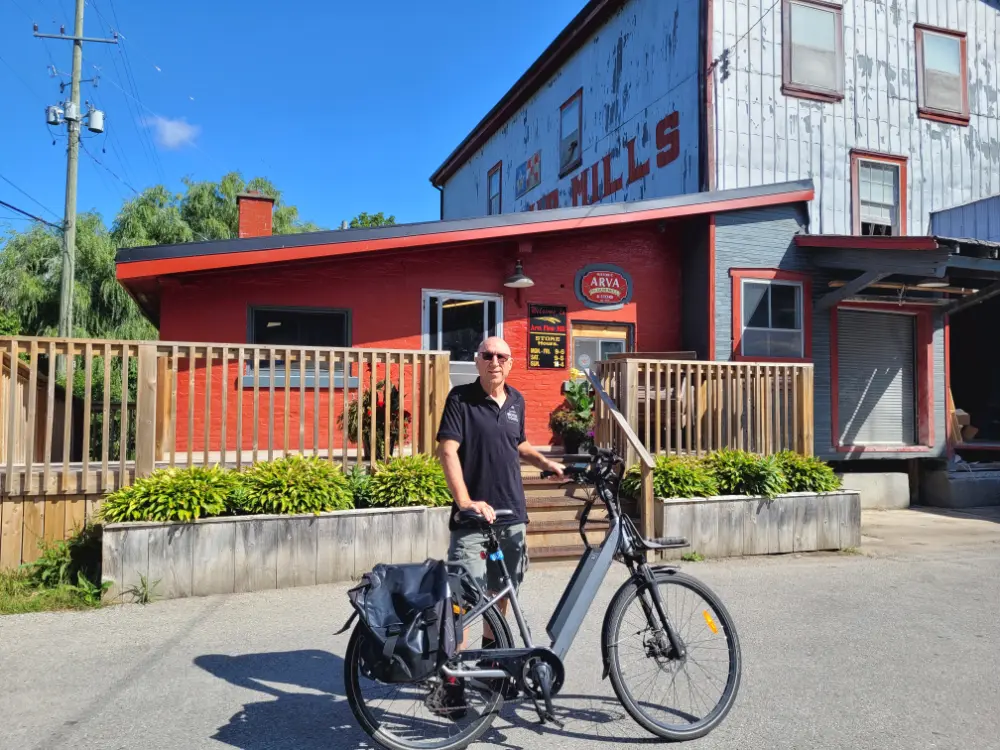
Hi. I’m Lawrence. Bicycle tour guide, storyteller, and lover of puns. I help curious folks like you discover the best parts of London, from a bicycle seat, of course. Arva Flour Mills is just one of the many hidden gems I’ve discovered while riding around on my bicycle. Let me help you experience the joy of discovering all these incredible places for yourself. Click here to learn more! Your next adventure awaits.
Photo credits: Unless otherwise indicated, all photos above were taken by the author.