
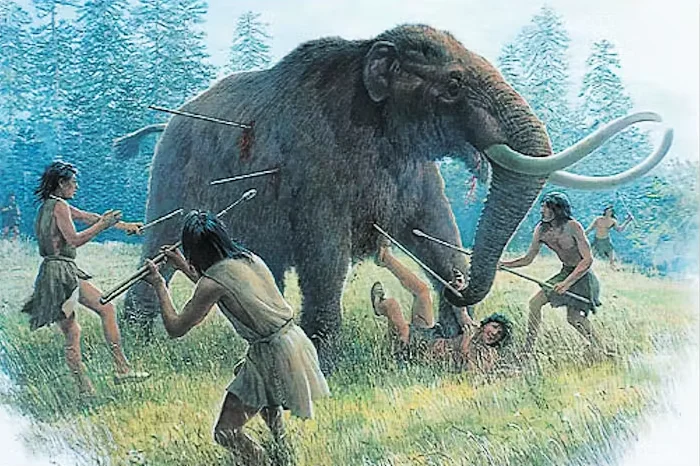
When we think of London, Ontario, we picture the Thames River, beautiful parks, and a vibrant city.
But what if I told you that the ground beneath our feet holds a secret history of London that stretches back over 13,000 years?
Long before London was founded, this very landscape was a stage for epic natural dramas, Ice Age giants, and the first human footsteps.
The Great Thaw: London’s Icy Beginning
Our story starts at the end of the last Ice Age.
For millennia, a colossal mass of ice, the Laurentide Ice Sheet, smothered most of Canada. As the climate slowly warmed, this mighty glacier began its grand retreat, melting northward from what is now Southwestern Ontario.
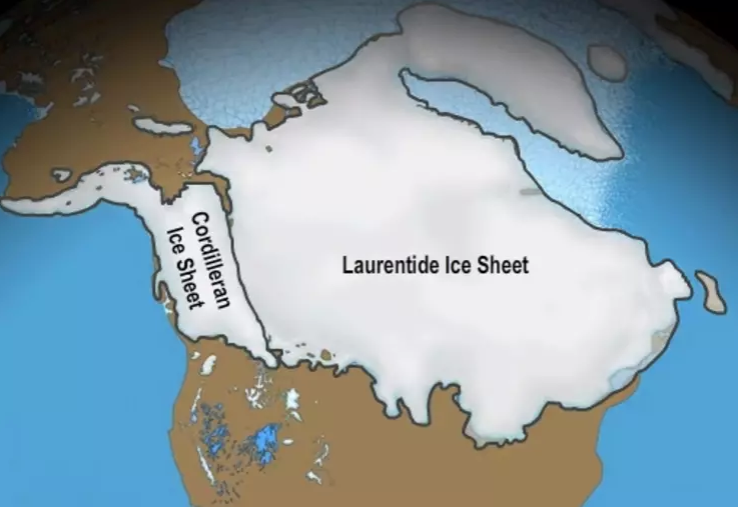
(Source: TERC/Lenni Armstrong)
The meltwater unleashed torrential rivers and carved out the basins of our Great Lakes. The land, once crushed by billions of tons of ice, began to rebound.
It was into this new, wet, and fertile world that the first life returned—a world of spruce forests, marshes, and giant creatures that now seem the stuff of legend.
The Giants of the Thames Watershed
Imagine cycling along the Thames River Parkway today, but instead of squirrels and geese, you spot a shaggy, elephant-like creature ambling through the trees. Meet the American Mastodon, the undisputed megastar of prehistoric London.
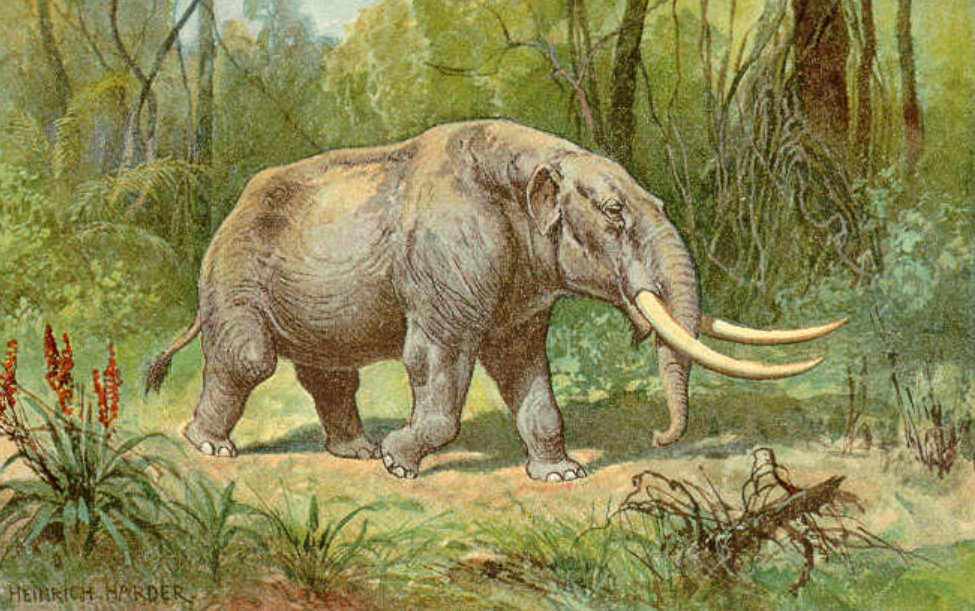
(Illustration credit: Heinrich Harder)
These magnificent beasts were not woolly mammoths (their more famous, cold-adapted cousins). Mastodons were forest dwellers, with long, curved tusks and teeth perfectly designed for browsing on twigs and leaves.
They stood over three metres tall at the shoulder, a true testament to the richness of the post-glacial landscape. For thousands of years, herds of these gentle giants roamed the swamps and woodlands that would one day become London.
The First People: A Story Written in Stone
As the mastodons thrived, another chapter was beginning. The first Indigenous peoples to arrive in this region were the ancestors of the Anishinaabe, Haudenosaunee, and Lünaapéewak peoples. They were highly skilled and adaptable hunters, living in a world of immense natural abundance.
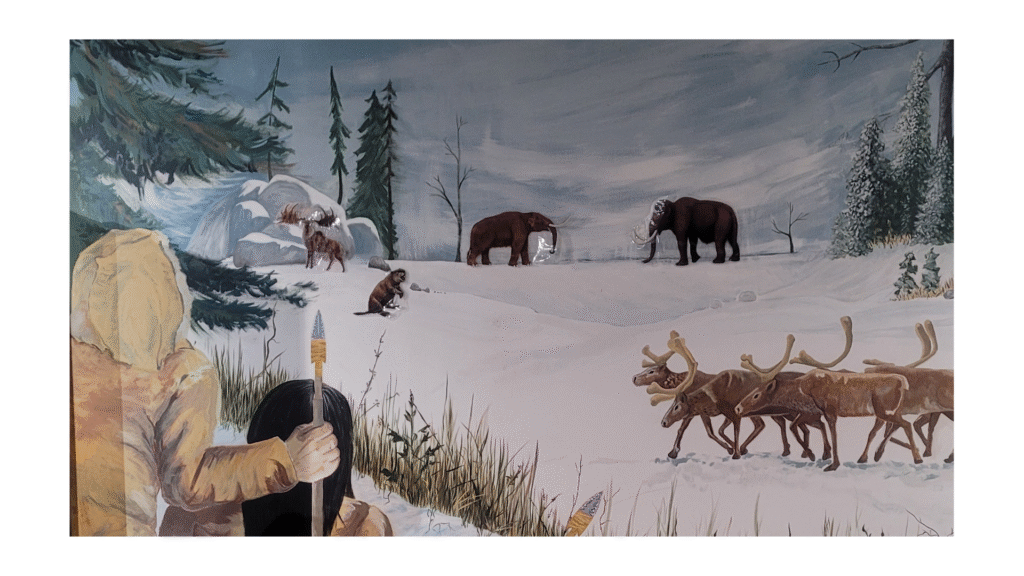
(Photo credit: Lawrence Durham)
For a long time, the stories of these early peoples and the mastodons were thought to be separate. But recent evidence from an archeological dig near Hamilton, Ontario, proves that their lives overlapped profoundly.
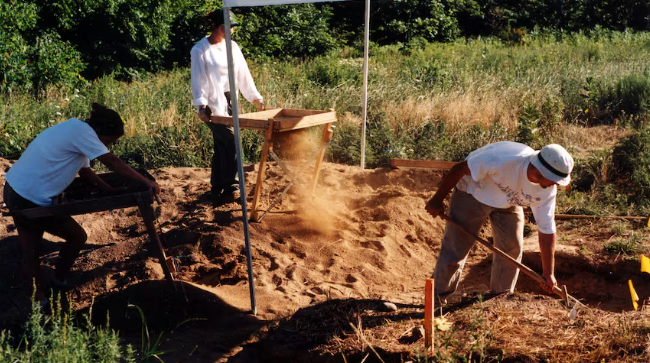
(Photo credit: Dr. Ron Williamson)
Blood found on sharpened stone tools unearthed at the dig site was tested for DNA and showed conclusively that the Paleo Indigenous people at that time hunted and butchered mastodons living in the area – a discovery which the head archeologist, Ron Williamson, called “unprecedented.”
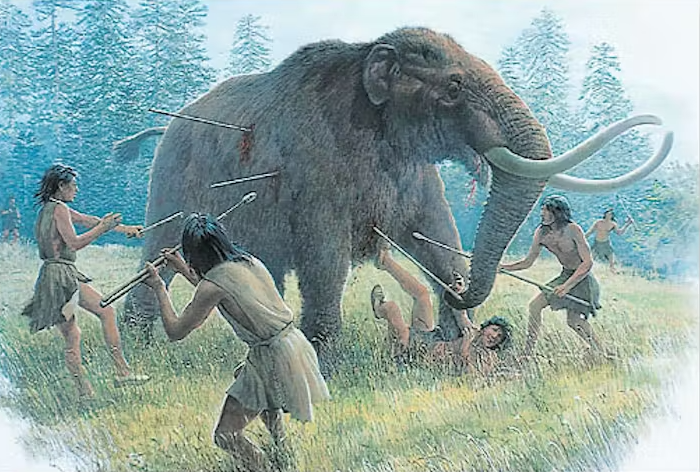
(Illustration by Ed Jackson, CC BY-NC)
Evidence for mastodons in Canada is abundant and includes widespread fossilized bones, teeth, tusks, and preserved dung.
Over 98 mastodon sites have been recorded in Southern Ontario alone, particularly along the north shore of Lake Erie, reflecting the forested habitat they preferred.
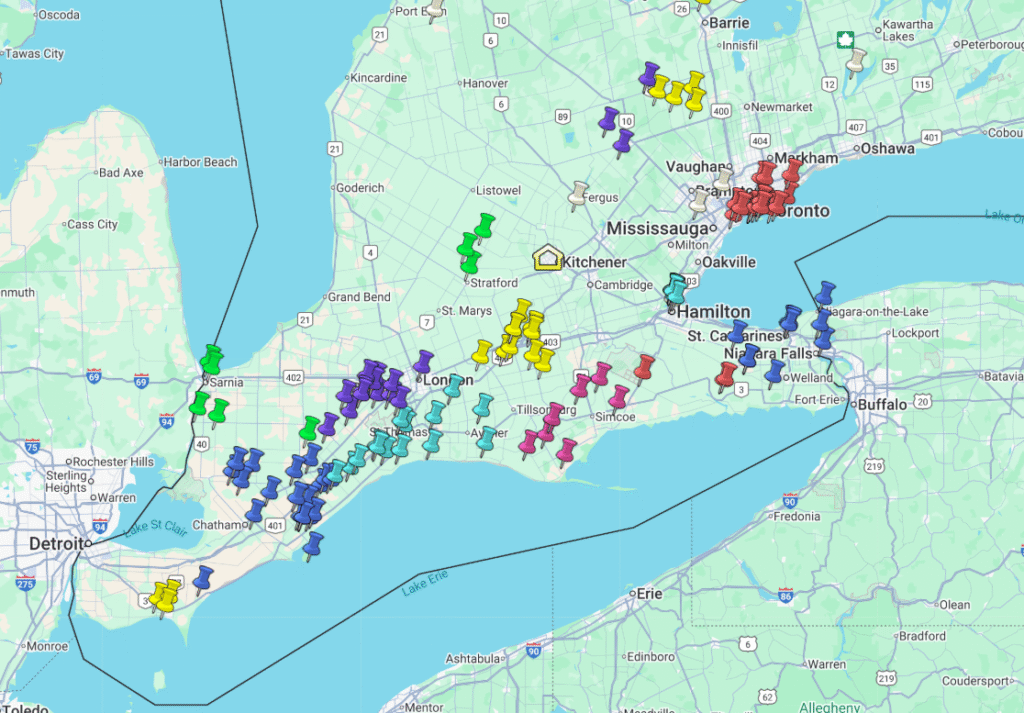
(Map credit: Earth Sciences Museum at the University of Waterloo)
For example, in 1890, the nearly complete skeleton of a mastodon was found in a farmer’s field in Highgate, an hour’s drive to the west of London.
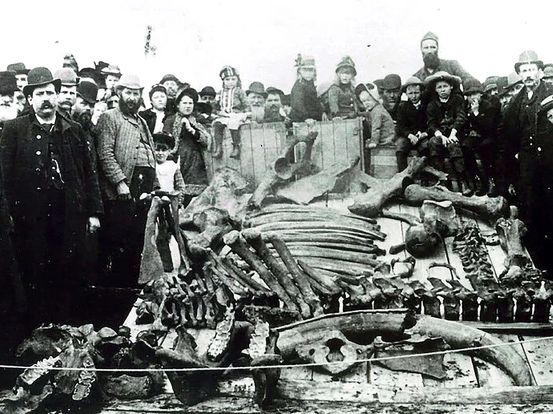
(Photo credit: Chatham Daily News)
These stories remind us that London’s history doesn’t just live in museums. It’s woven into the very gravel of the Thames River and sleeps just beneath the soil of our parks and pathways. Every time we walk, cycle, or paddle through this city, we are moving through a landscape that had previously been home to giants.
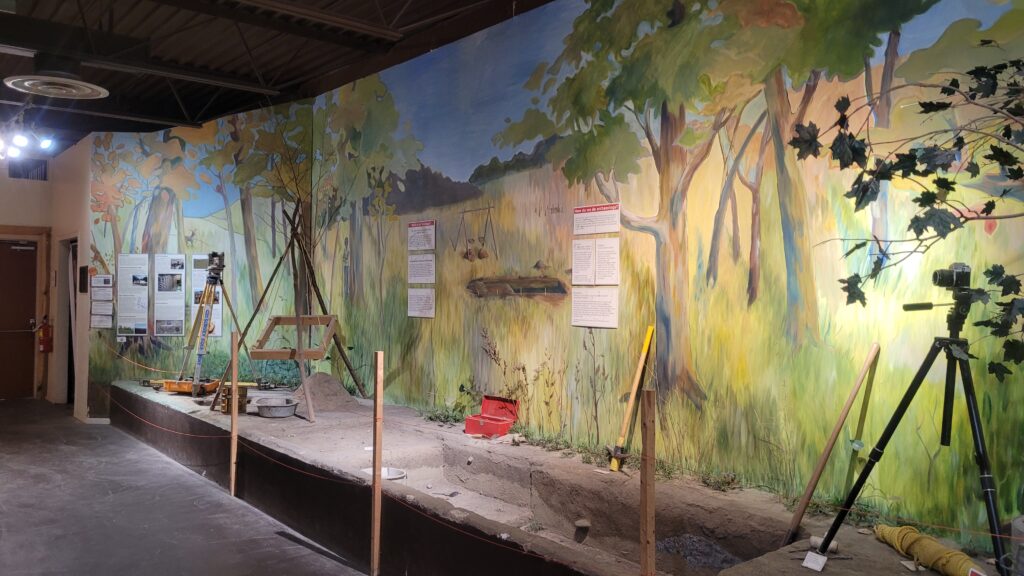
(Photo credit: Lawrence Durham)
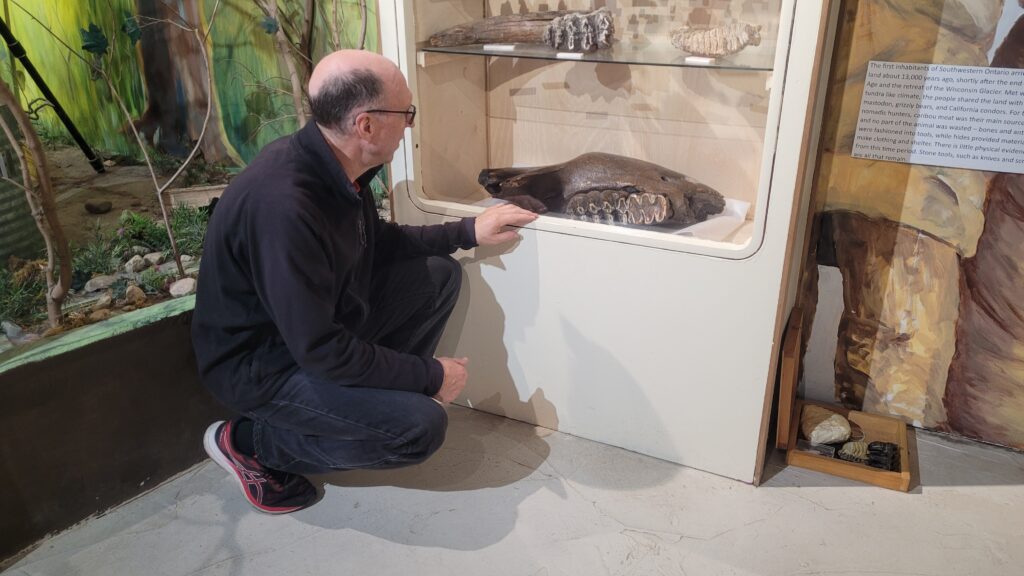
(Photo credit: Dr. Heather Hatch)
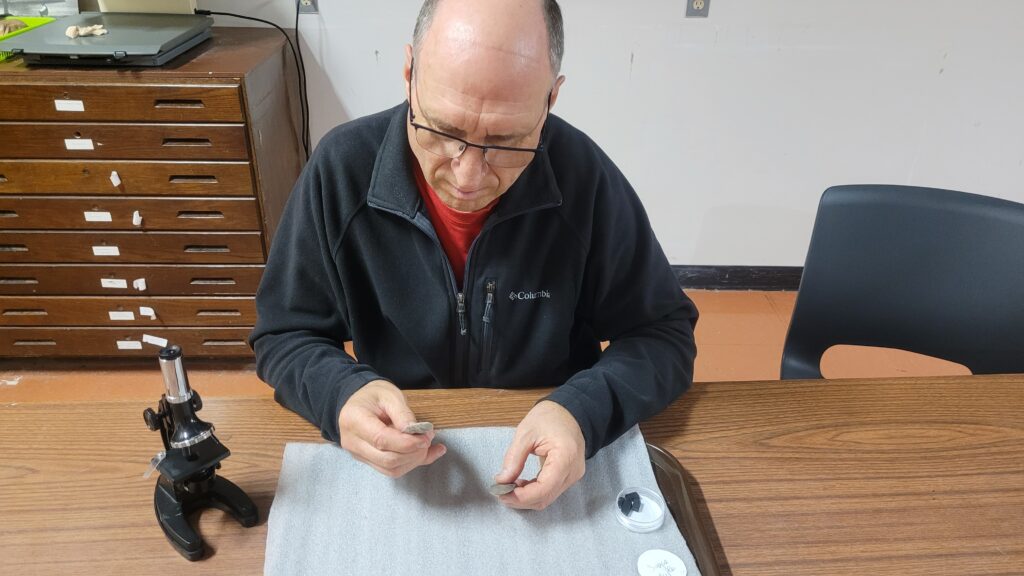
(Photo credit: Dr. Heather Hatch)
Hi. I’m Lawrence – bicycle tour guide, storyteller, and a huge fan of our city’s incredible layers of history.
I love London and am constantly discovering hidden gems around every corner. If you’re the curious sort, I invite you to join me so we can explore this great city together.
Leave a Reply