
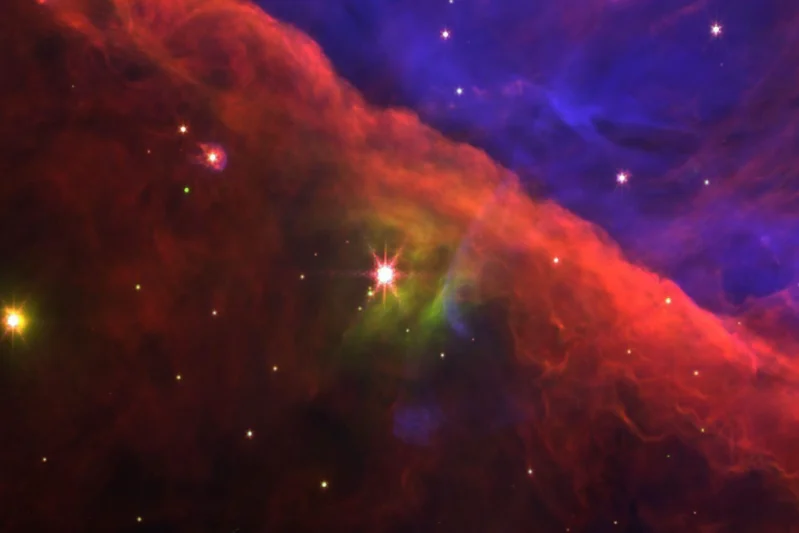
Did you know that London is a launchpad for exploring the cosmos?
Tucked away on the campus of Western University is the Institute for Earth and Space Exploration, better known as Western Space.
On A Mission for Humanity
Western Space is the leading organization in Canada for Earth and Space Exploration, research, and training. Think of it as a mission control for brilliant minds, where astrophysicists, geologists, engineers, and even philosophers and artists come together to answer some of humanity’s biggest questions:
Founded on the principle that exploration is a fundamental human drive, the institute trains the next generation of explorers to tackle challenges from climate change monitoring to planning future missions to the Moon and Mars. They are, quite literally, building the future of space exploration right here in our city.

(Photo credit:Julide Cakiroglu/Western Communications)
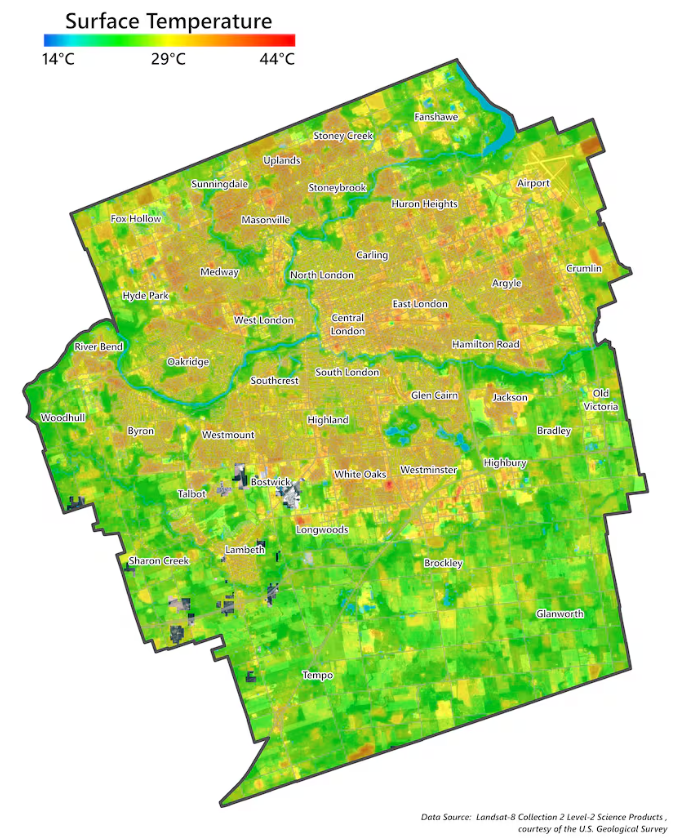
(Photo credit: Karlos Lao/Western University)

(Photo credit: City of London)
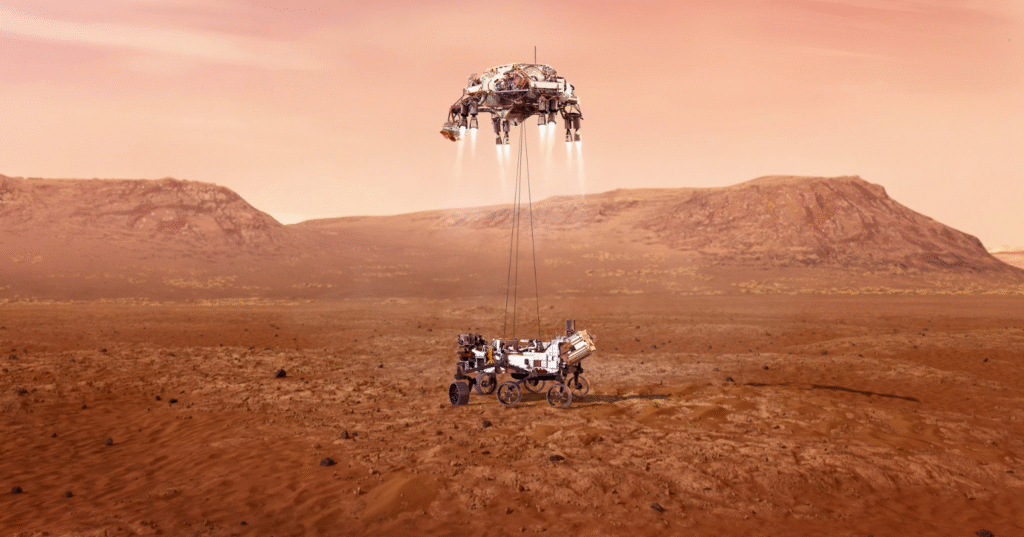
(Illustration by NASA/JPL-Caltech)
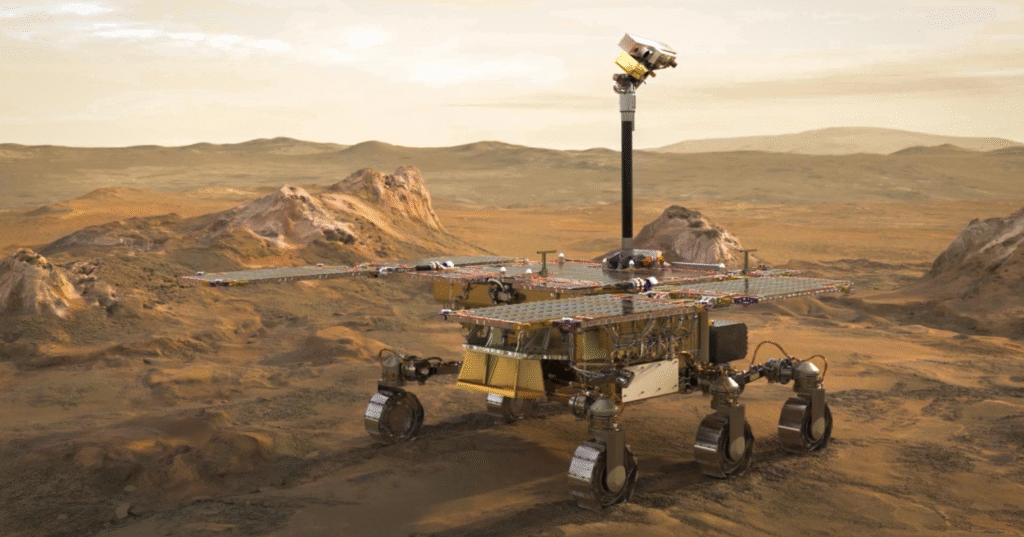
(Photo credit: European Space Agency/Miabspace)

As a partner, the CSA (Canadian Space Agency) receives a guaranteed share of the James Webb space telescope’s observation time, making Western scientists some of the first to study data collected by the most advanced space telescope ever built.
(Photo credit: NASA/ESA/CSA, E. Dartois, E. Habart, PDRs4All ERS team)
Background
The Institute for Earth and Space Exploration (Western Space) was established in June 2019, building on the foundations of the former Centre for Planetary Science and Exploration.
Western Space hosts the only planetary science graduate collaborative specialization in Canada. Established in 2008, this program ranks among the top five worldwide in the number of students, many of whom are major scholarship recipients.
Western Space includes a Mission Control Facility, partners with international research collaborators, and regularly reaches out to the public to share its passion.
For instance, on public nights, you can view the stars through the 10-inch refractor telescope at the Hume Cronyn Memorial Observatory and pose your questions to the astronomers hosting the evening session.
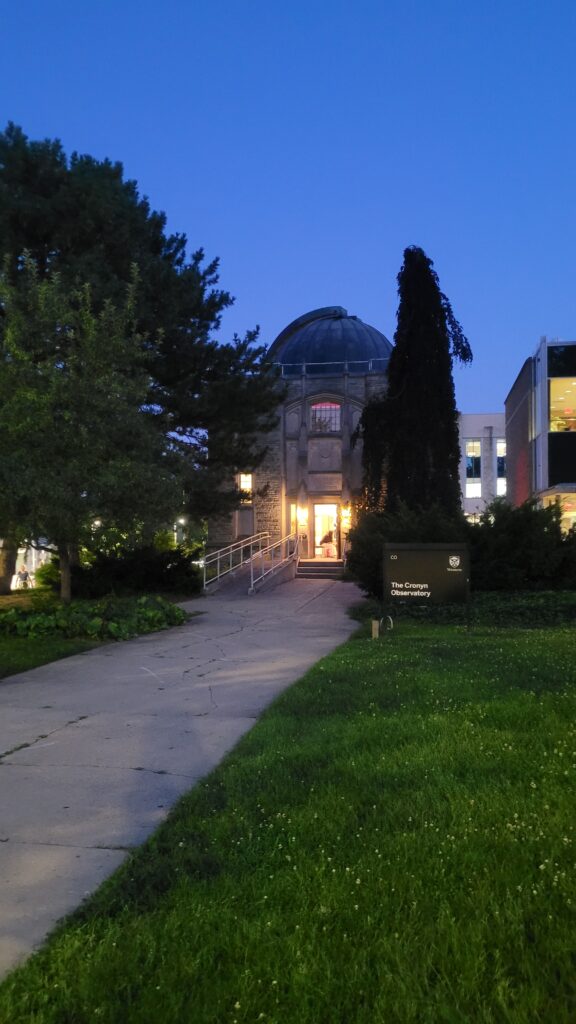
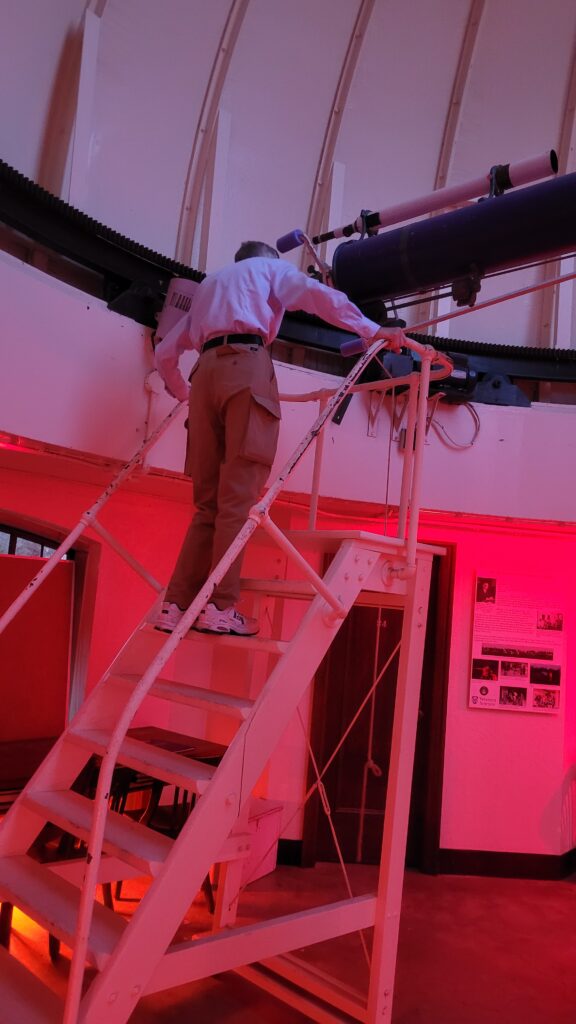
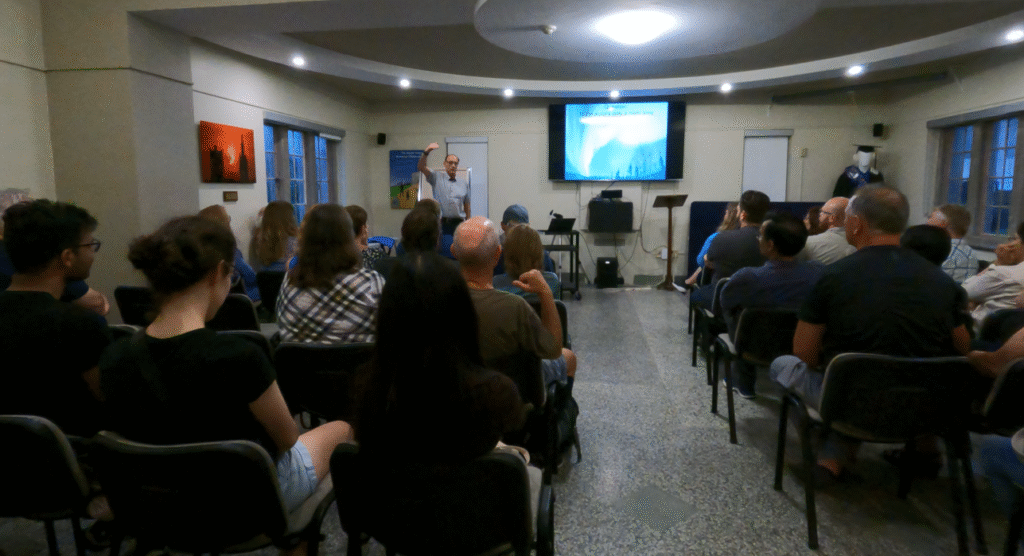
(Photo credits: Lawrence Durham)
Your Next Adventure Awaits
London is a city of layers.
It’s a place where you can pedal along a serene river path in the morning and, by the afternoon, be contemplating the technology used to monitor our own changing Earth or the mysteries of a Martian landscape.
The story of Western Space is a powerful reminder that you don’t have to travel far to feel the thrill of exploration. Come see the hidden gems throughout London that showcase our unique blend of historical charm and bold, forward-thinking vision.
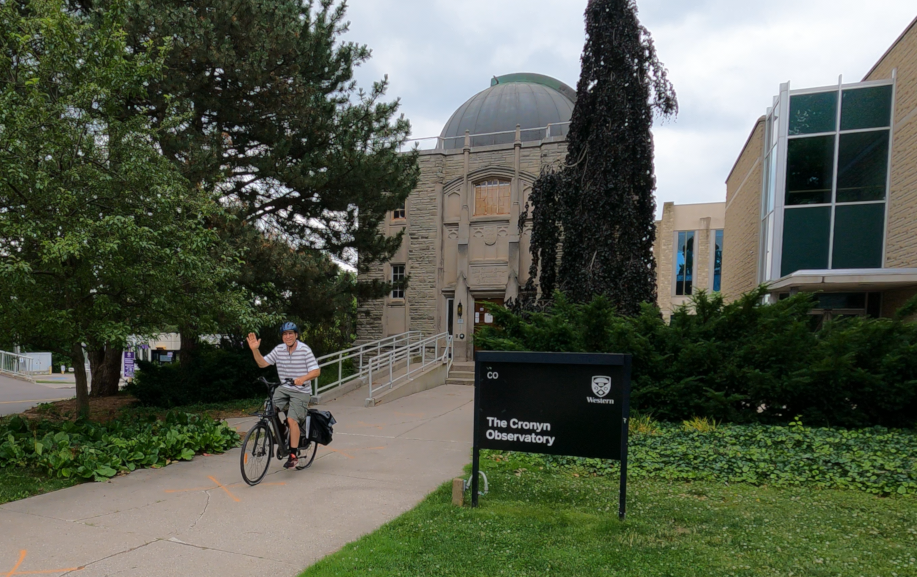
(Photo credit: Lawrence Durham)
Hi. I’m Lawrence – bicycle tour guide, storyteller, and lover of London’s diversity.
I help curious folks like you discover the best parts of London, from its peaceful riverbanks to its sky-high ambitions. If you want to experience the energy of this great city, come along for a bicycle tour with me.
Leave a Reply