
London, Ontario, didn’t just randomly get its famous nickname, “The Forest City,” for nothing.
It is home to more than 4 million trees, 490 parks, and over 330 km of walking and biking trails.
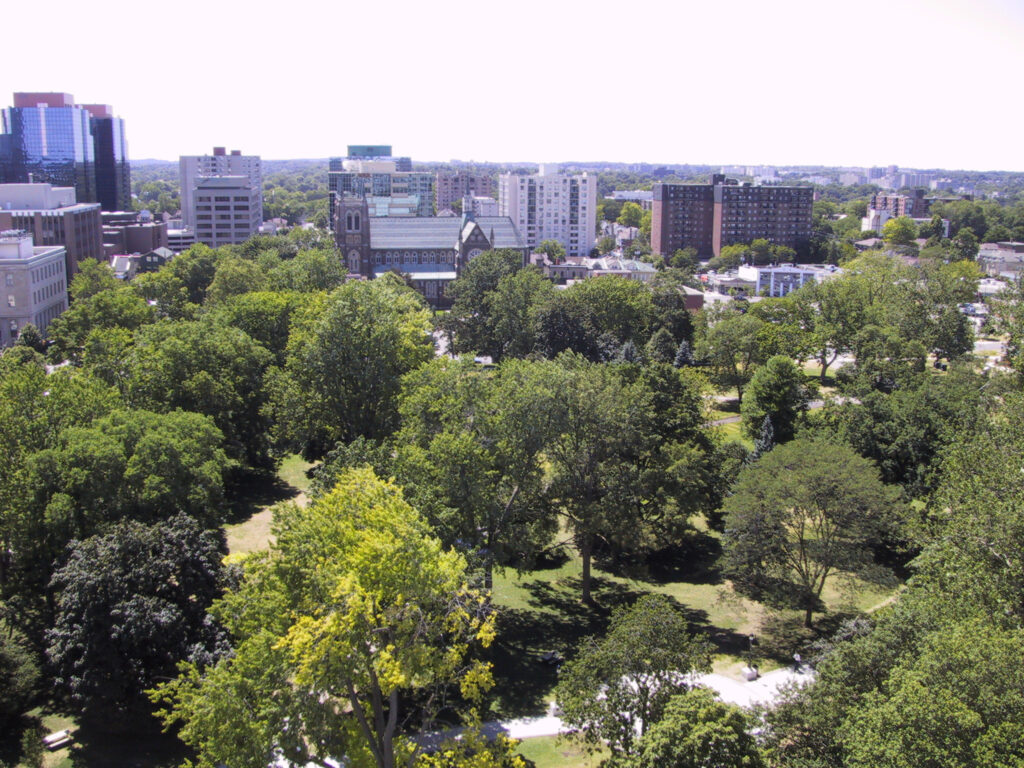
(Photo credit: ReForest London)
However, before London became the lush city it is today, it first had to learn a painful lesson.
Conquering Nature (That Was A Mistake)
The Carolinian Forest was originally a dense canopy of oak, walnut, and chestnut trees that had stood for centuries. Early travellers to Southwestern Ontario regarded the vegetation as extraordinary. In particular, they remarked on the enormous size of the trees.
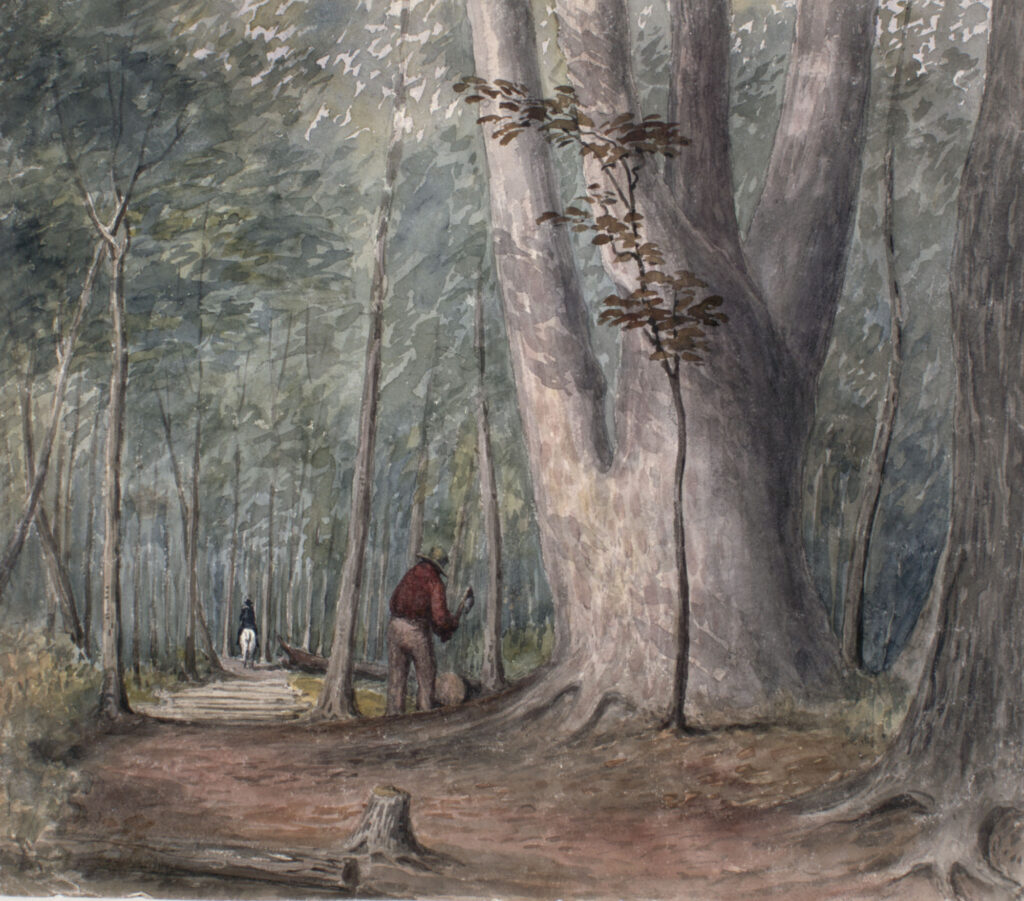
(Credit: Library and Archives Canada, Acc. No. 1983-47-97)
However, to pioneering settlers, the ancient forest was seen as an obstacle to progress.
With axe and saw, they energetically cleared the land, making way for farms, factories, and the grid of early streets. In fact, the first task for many settlers was removing tree stumps from roadways and their properties.
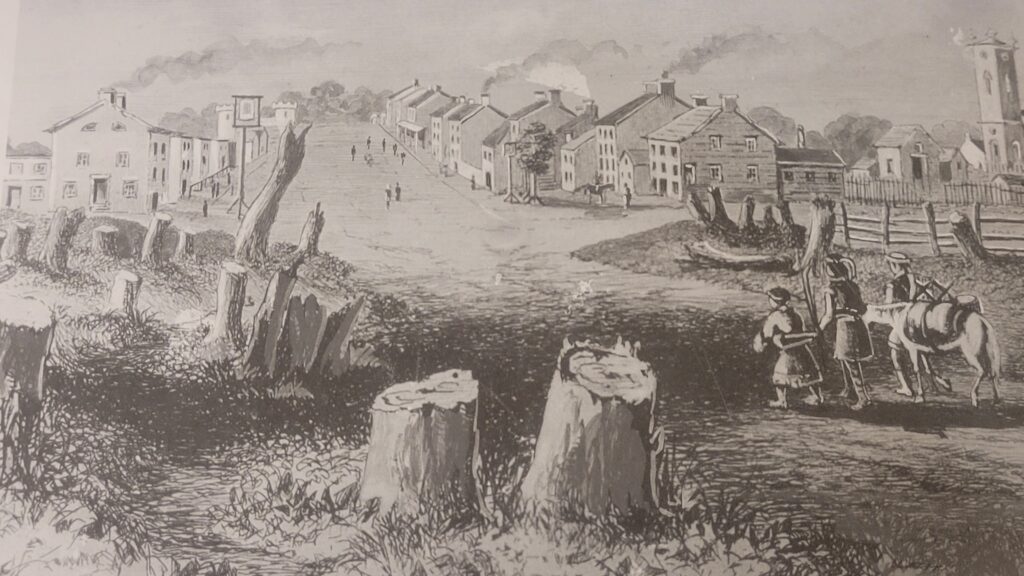
(From a painting by Lady Eveline-Marie Mitchell Alexander, courtesy of the 1999 Orr Collection at Museum London).
The founding of London in 1826 was an act of ambition, a declaration that a modern, industrial city would rise from the wilderness. In that earnest rush to conquer nature and build a robust economy, the very identity of the land changed.
This rapid transformation came at a cost. The relentless clearing of trees, essential for the city’s growth, slowly stripped away the natural canopy.
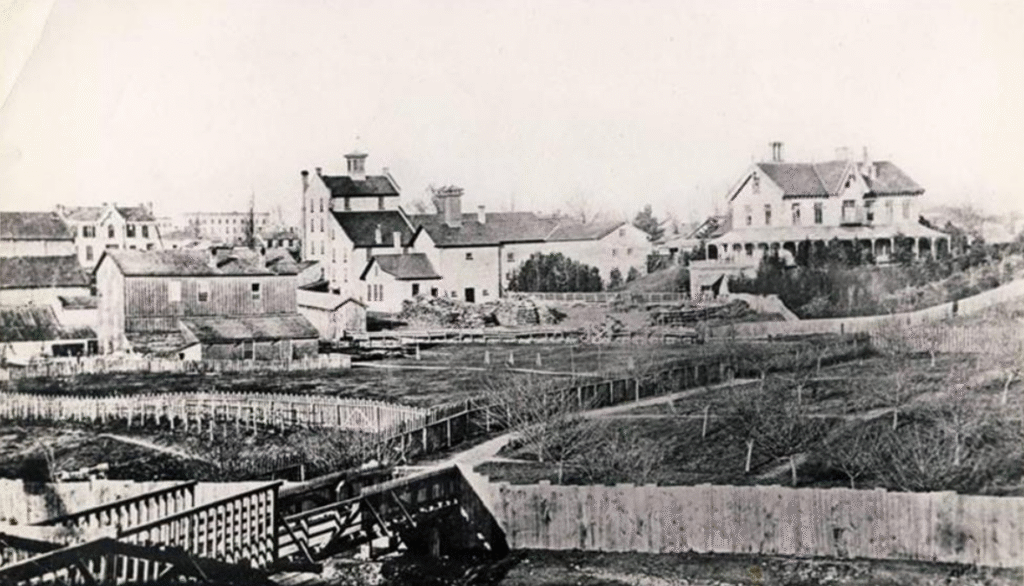
(Photo credit: Western Archives, Labatt Brewing Company Collection, AFC 101)
Modern Day Reconciliation With Our Forests
Today, we are on a collective journey to rewrite that story. The mission is no longer about conquering the landscape, but about reconciling with it. We are actively working to overcome that historical deforestation by getting back to our roots, literally and figuratively.
Author’s note: The following photos are all courtesy of ReForest London, unless otherwise indicated.

The spirit of the original forest is being coaxed back to life not with axes, but with shovels, through the dedicated work of community plantings and a renewed reverence for our natural environment.
We are weaving the canopy back into our urban fabric, learning from the mistakes of the past.
It’s a living, breathing mission being carried forward by an incredible organization: ReForest London.
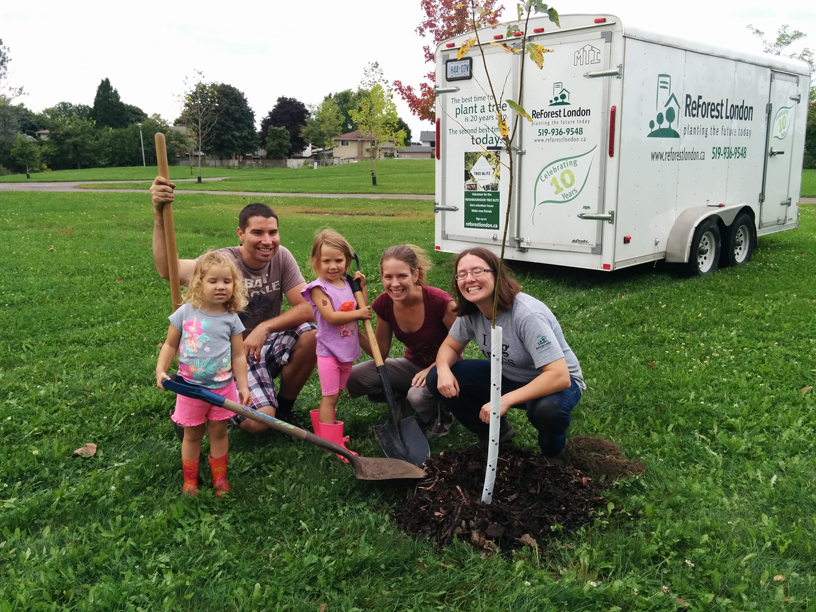
ReForest London is on a Mission
Founded 20 years ago, ReForest London emerged with a simple, but powerful goal: to ensure our city lives up to its nickname, the Forest City, for generations to come.
It operates on a beautiful, proactive principle: “The best time to plant a tree was 20 years ago. The next best time is today.”
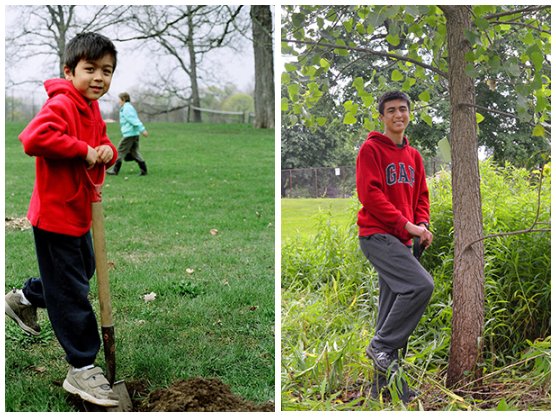
This isn’t a small-scale effort. It’s a city-wide movement powered by thousands of volunteers, dedicated corporate partners, and the supportive framework of the City of London itself. As a registered charity, its work is multifaceted and deeply impactful, focusing on:
- Planting for the Future: Through community plantings in parks, schoolyards, and naturalizations, they don’t just put trees in the ground; they cultivate a more vibrant urban forest.
- The Million Tree Challenge: An ambitious, community-driven goal that has seen Londoners come together to add hundreds of thousands of new trees to the landscape.
- Empowering Homeowners: With popular programs like their Native Plant Sale and Tree Giveaway, they put the power of reforestation directly into the hands of residents, encouraging the use of native species proven to thrive here.
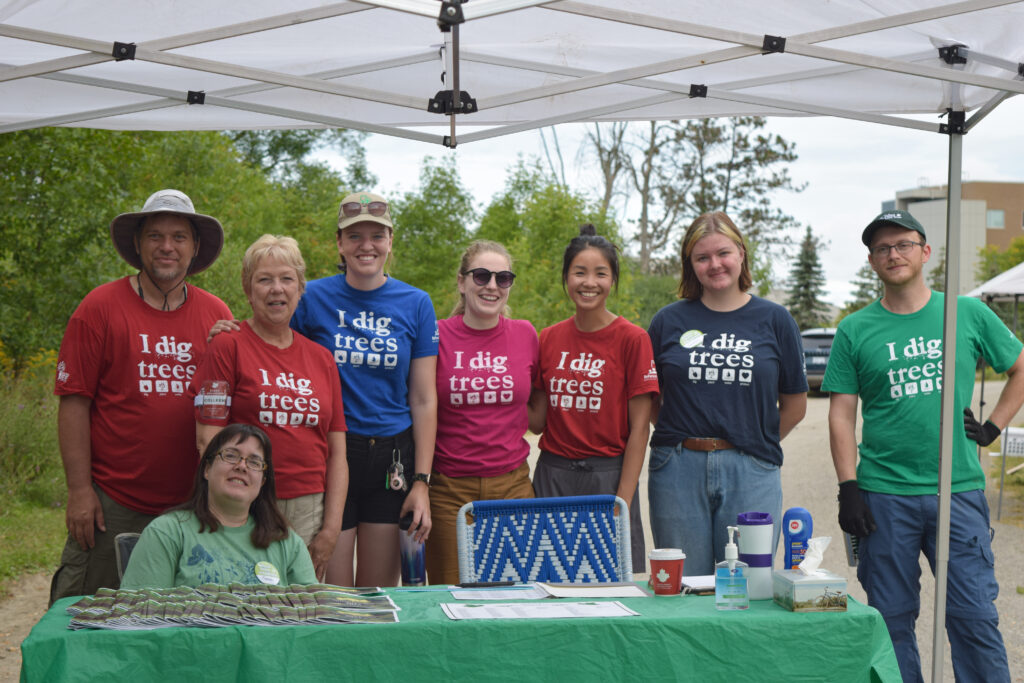
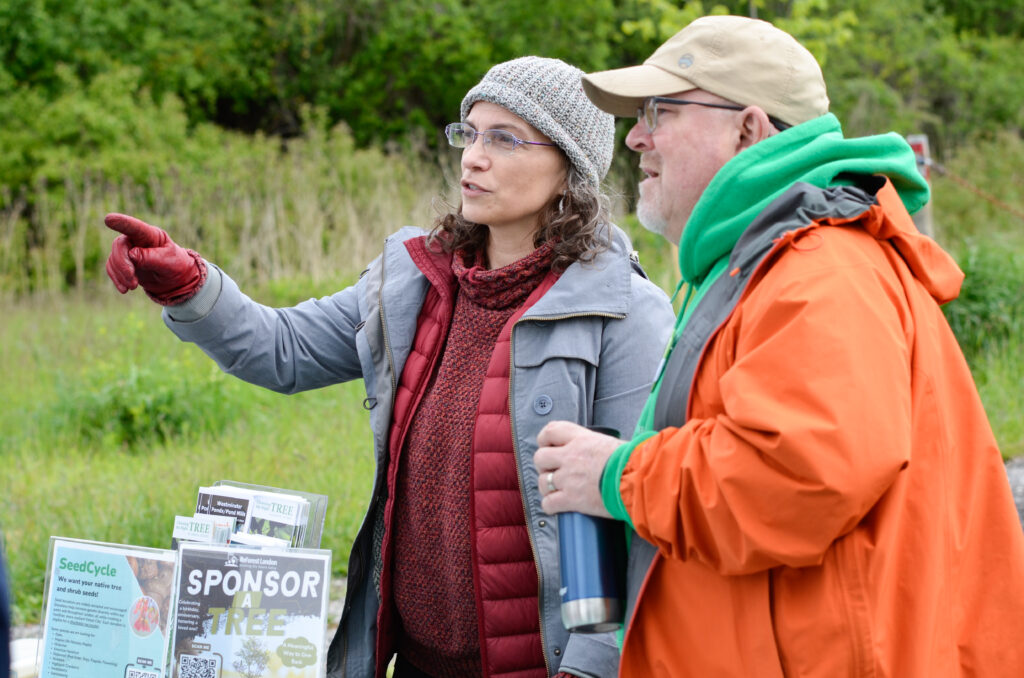
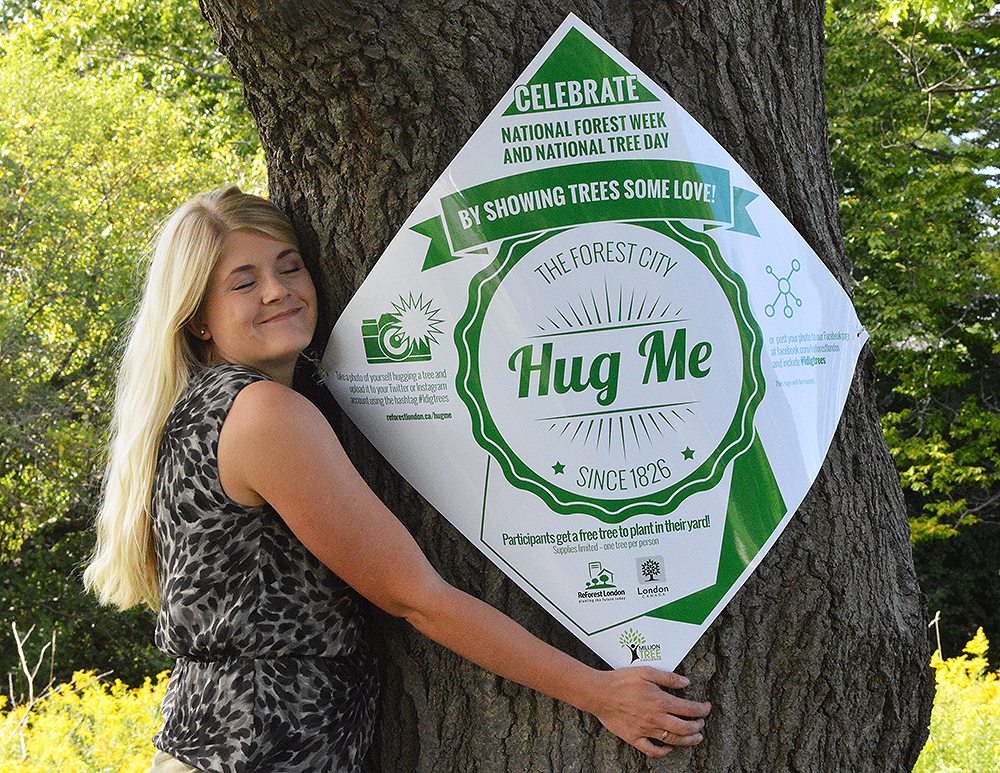
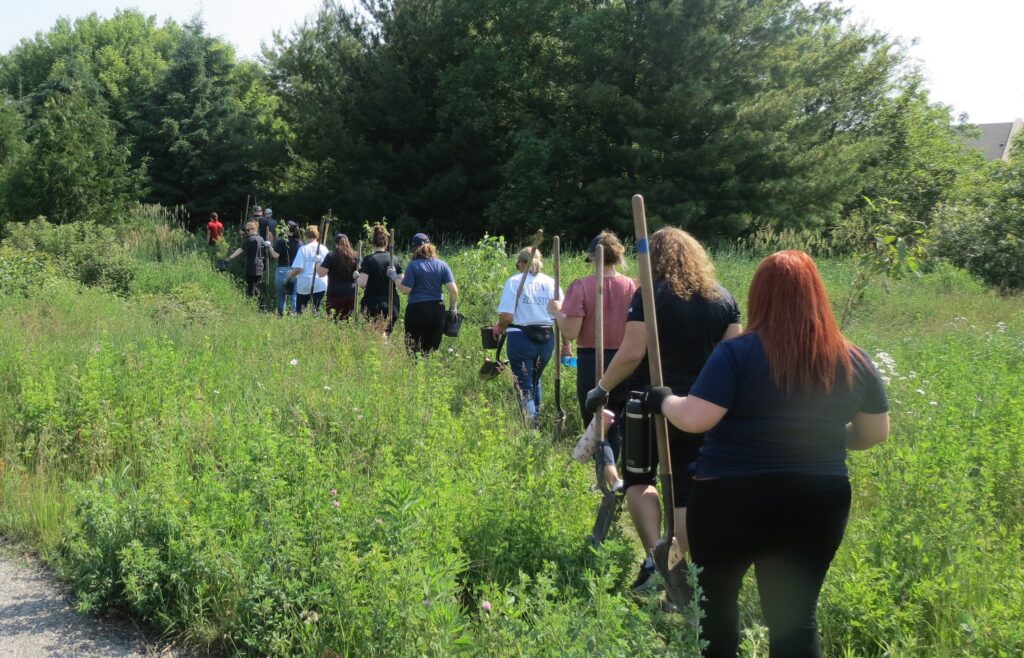
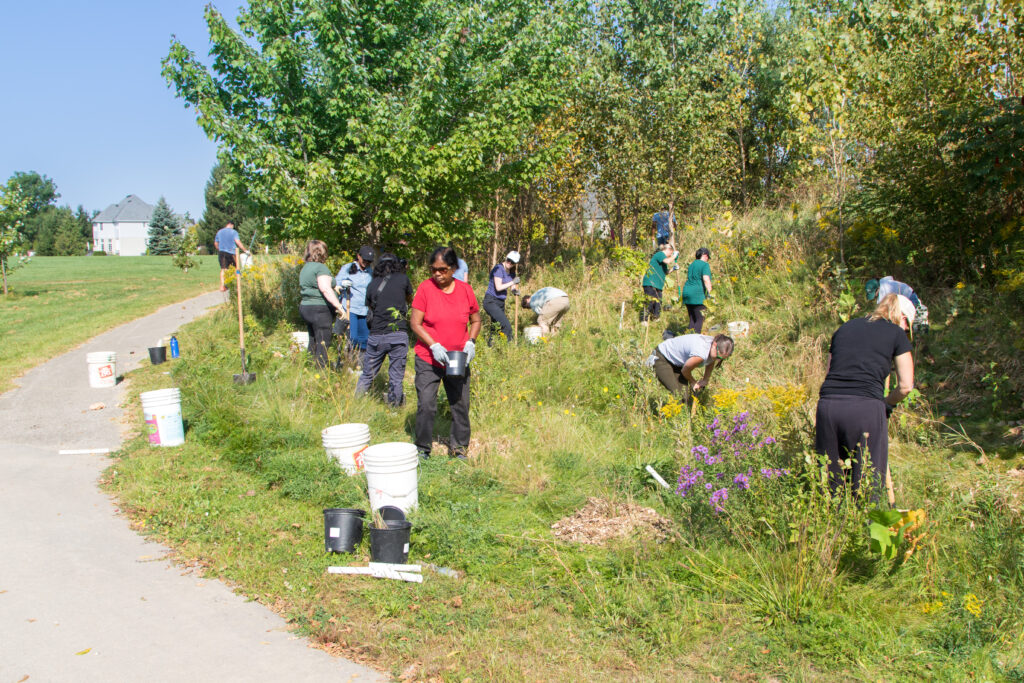
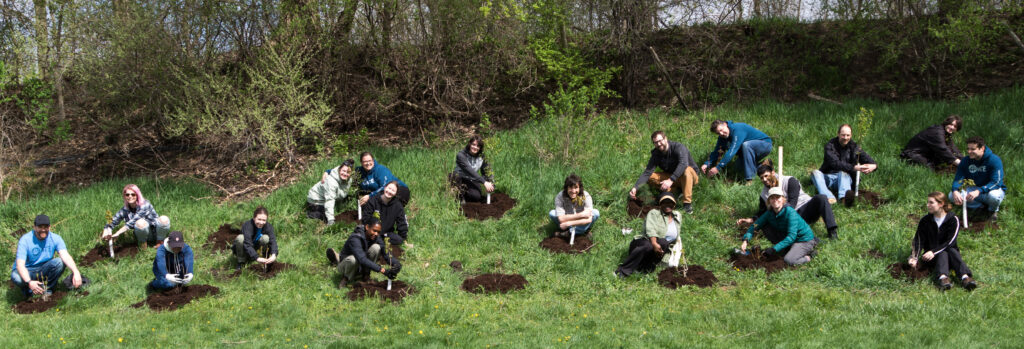


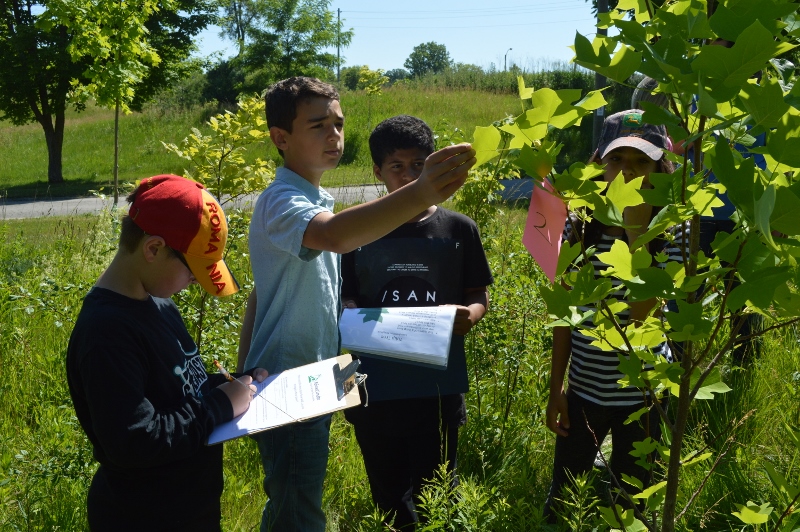
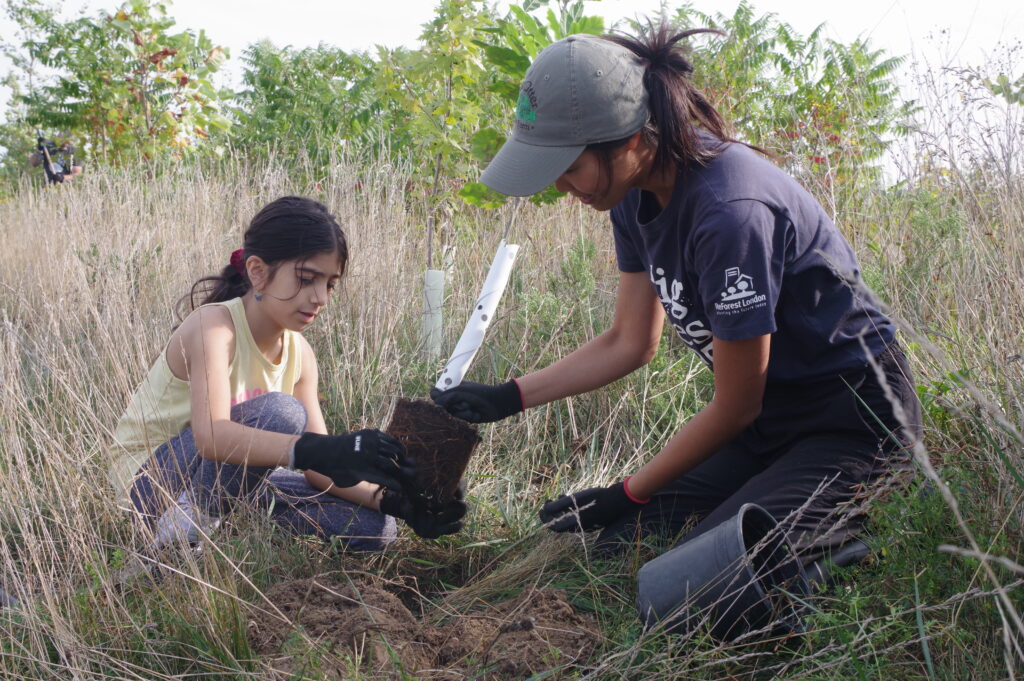
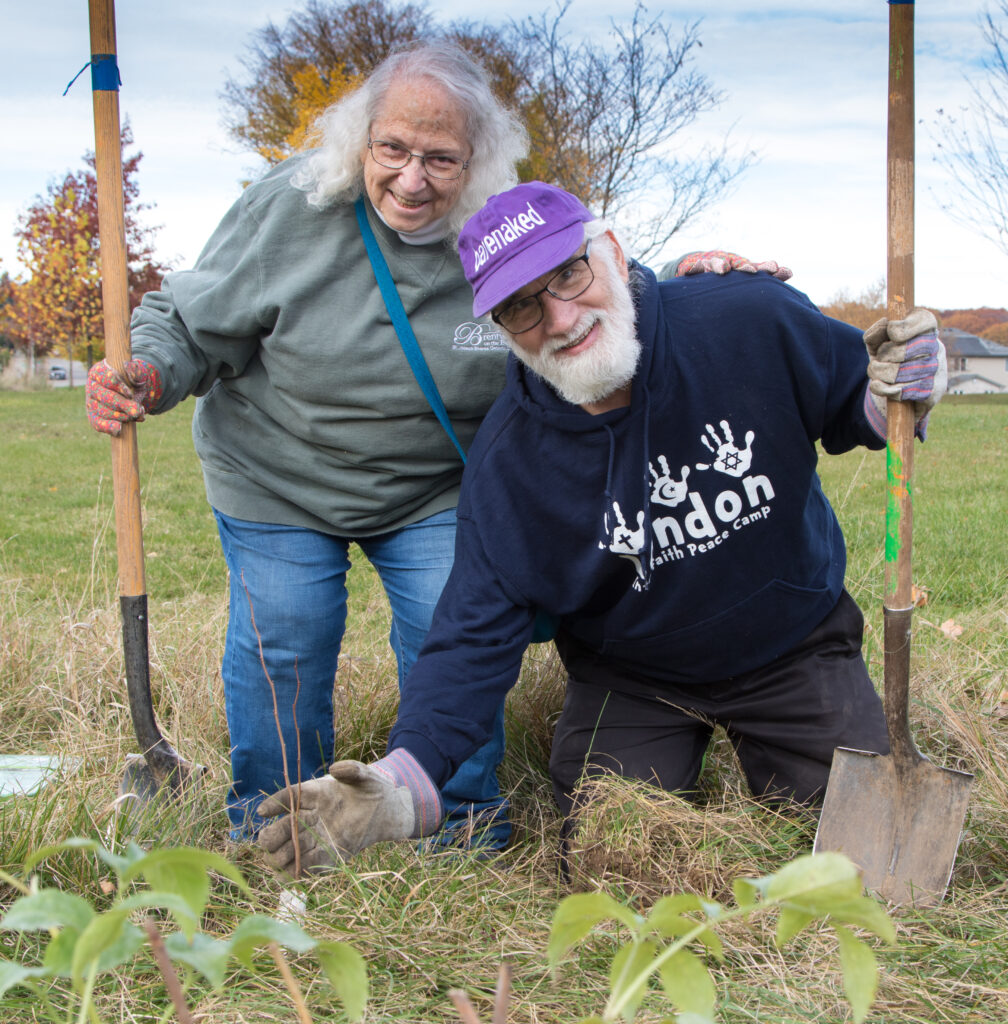
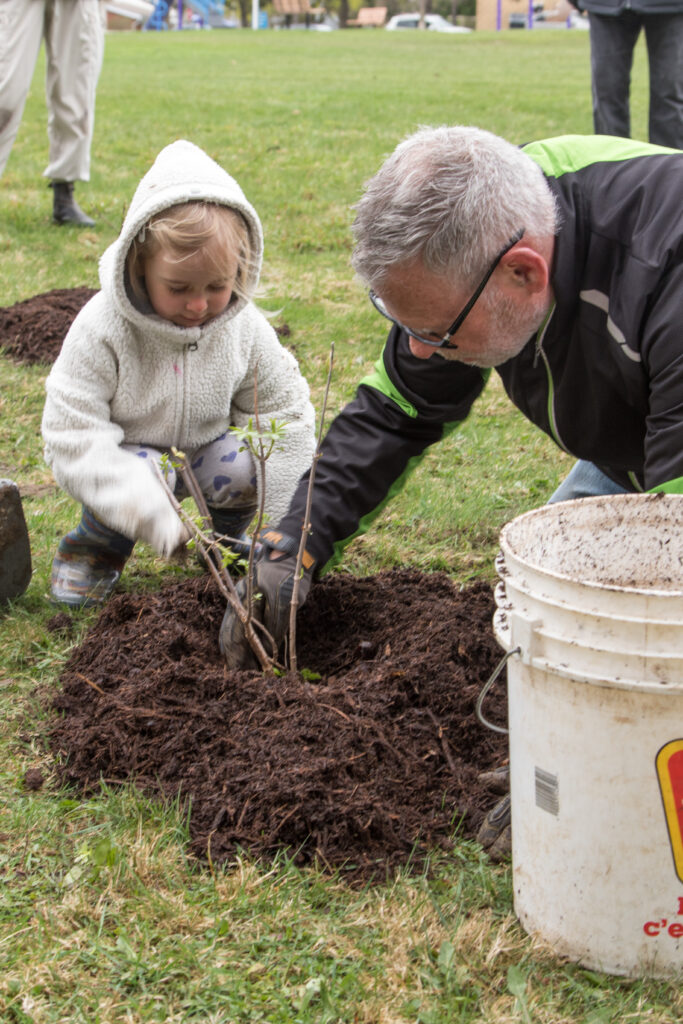

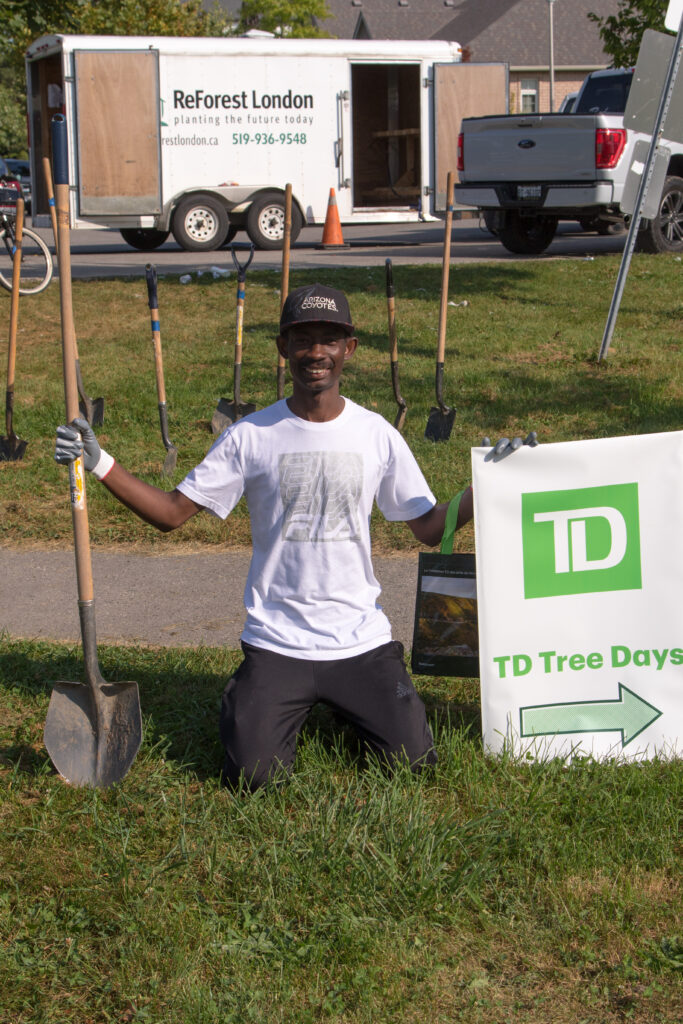
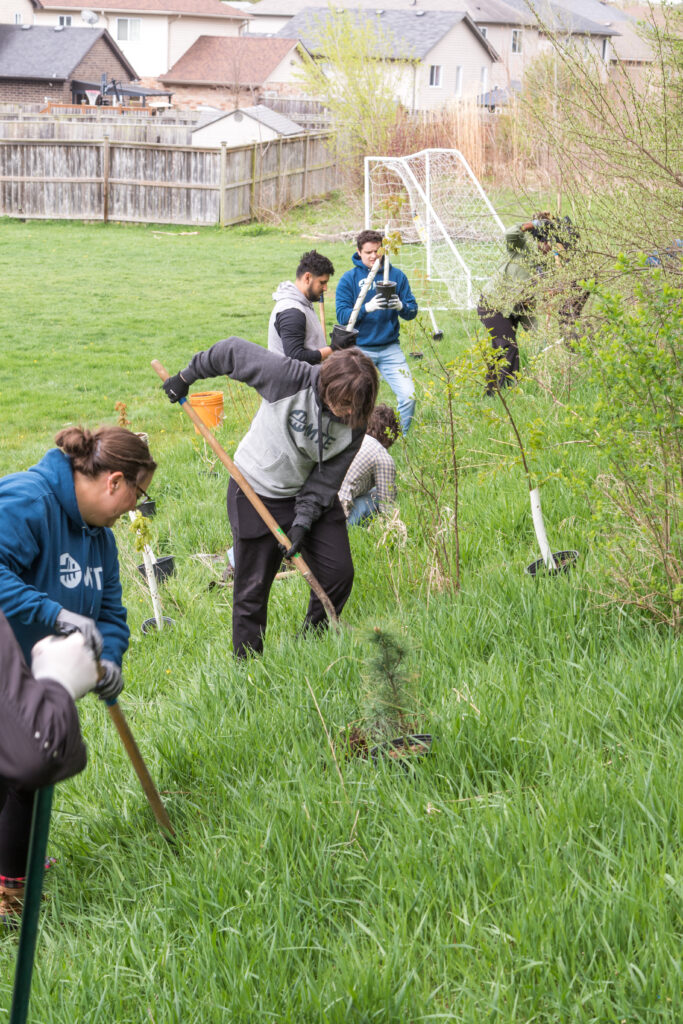
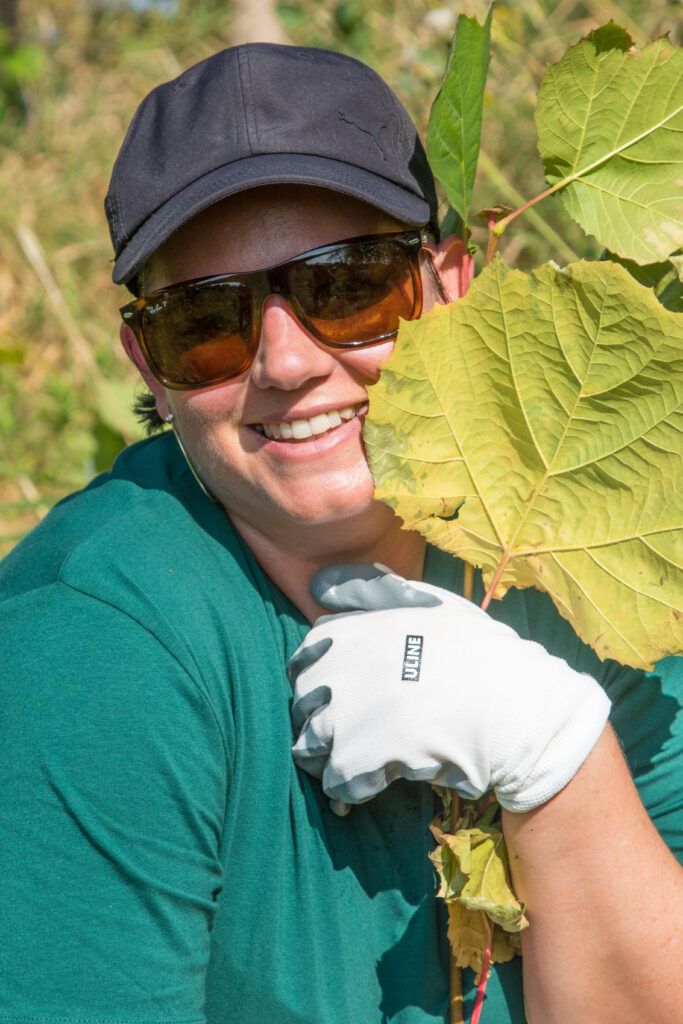
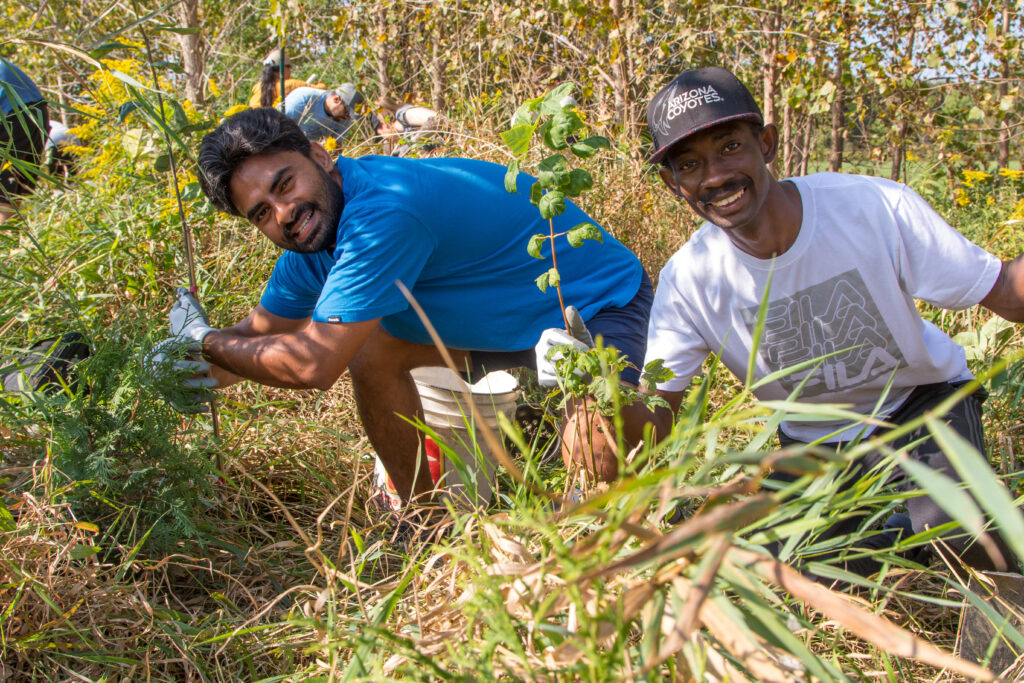
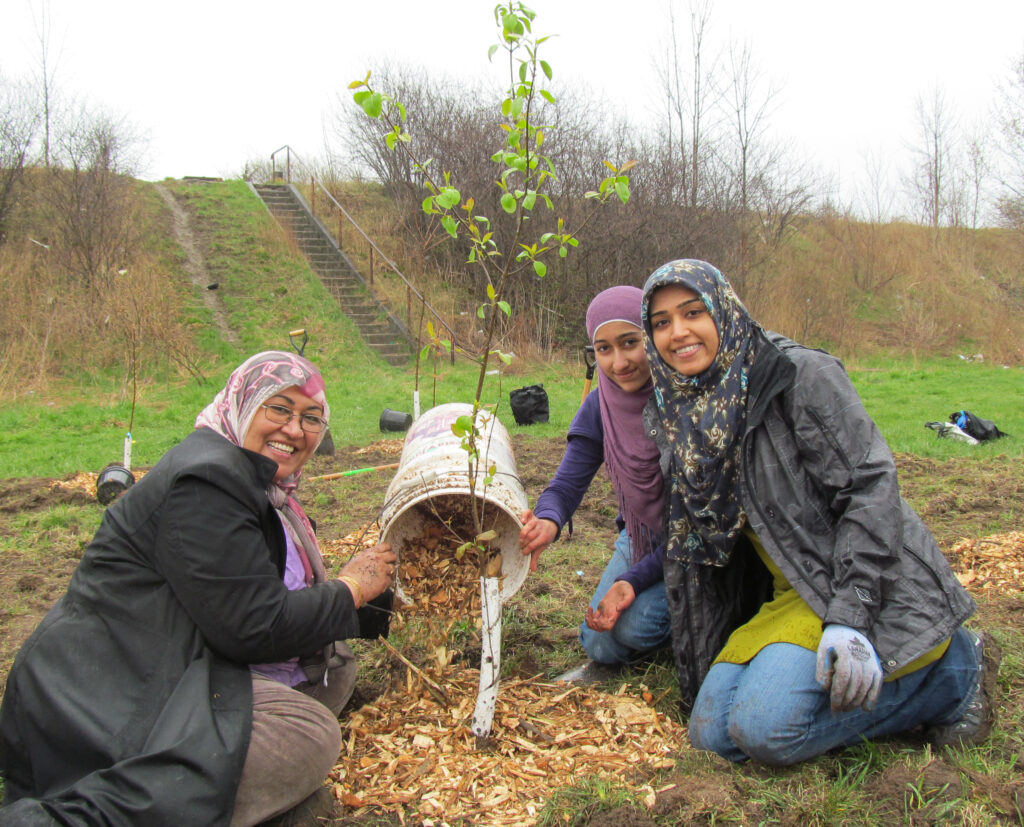
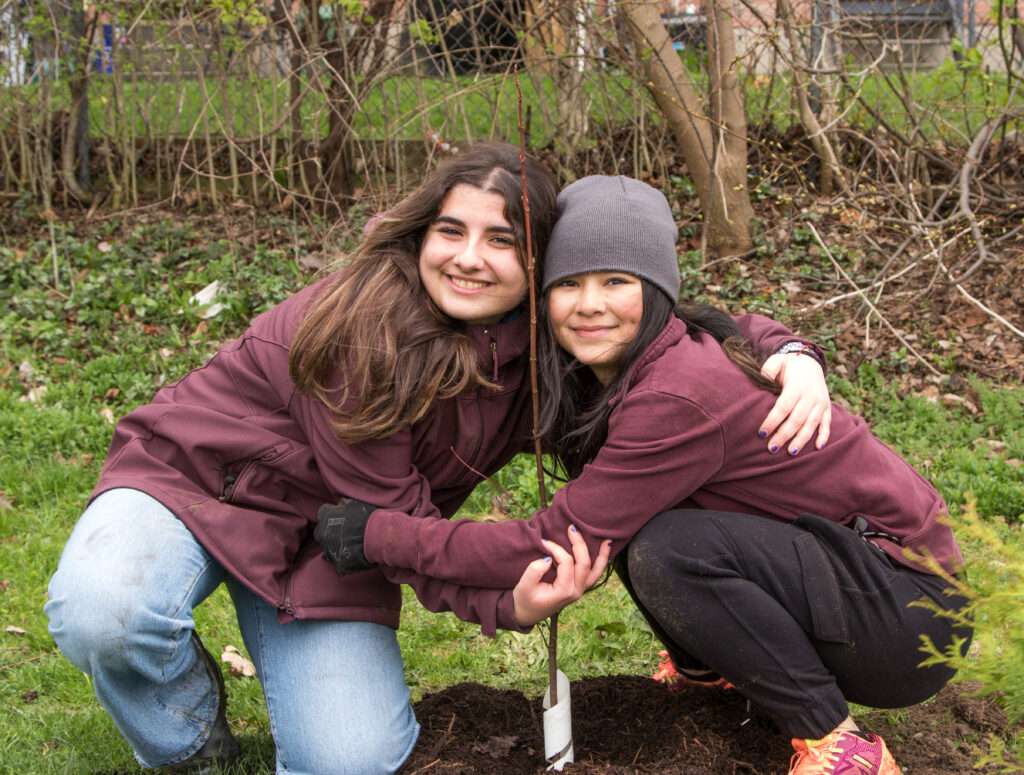
All ages, races, and religions, working together for the common good.
Why a Canopy Matters: The Lungs of the City
This work is about so much more than beauty. A robust tree canopy is the lungs of a city. It cleans our air, filters our water, and provides crucial habitat for wildlife.
On a hot summer day, walking down a shaded street can definitely feel a lot cooler, a direct result of the “ambient temperature” lowering effect of trees.
The reforesting of London aligns perfectly with the City of London’s Climate Emergency Plan, which boldly aims for London to become the “greenest city in Canada” by 2050.

Where to See the Story Grow
For a visitor, the work of ReForest London is something you can actually experience.
A wonderful example is their Mini-Forest, located in the Westminster Environmentally Significant Area (ESA)—the largest ESA in the city. This dense, fast-growing forest is a living laboratory and a beautiful, serene spot to witness urban reforestation in action.
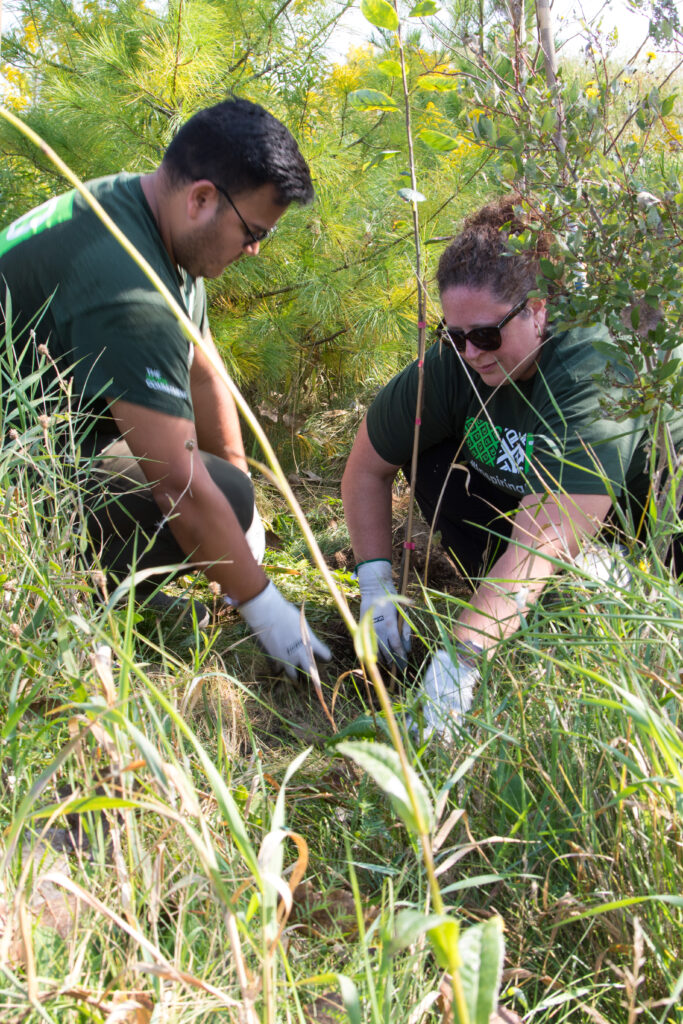
You can also visit their Community Tree Nursery, where the next generation of London’s canopy is being carefully nurtured.
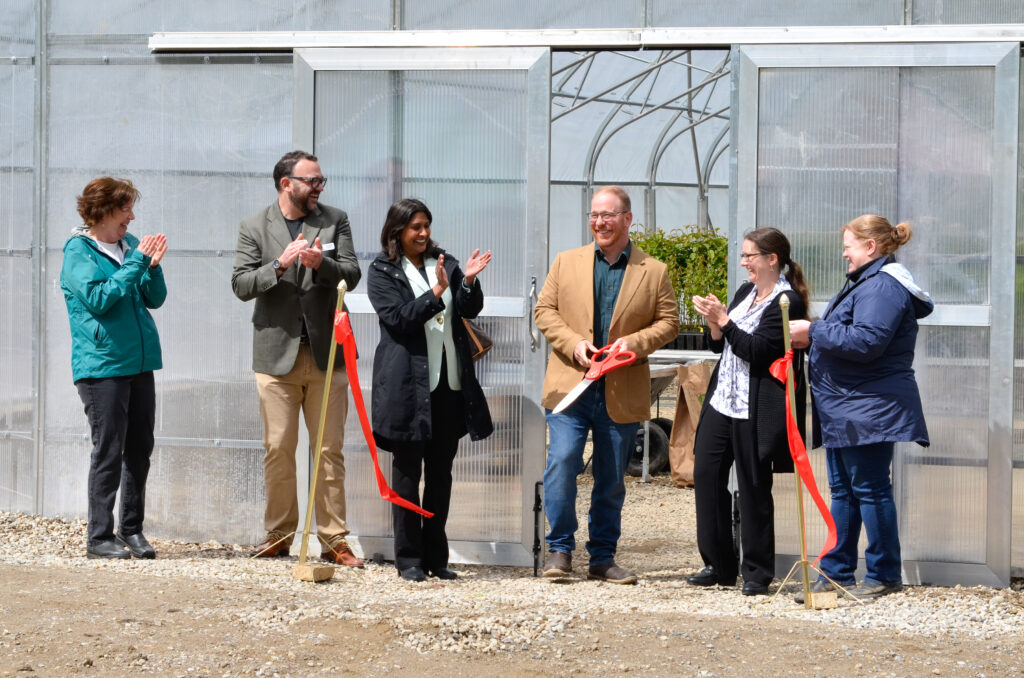
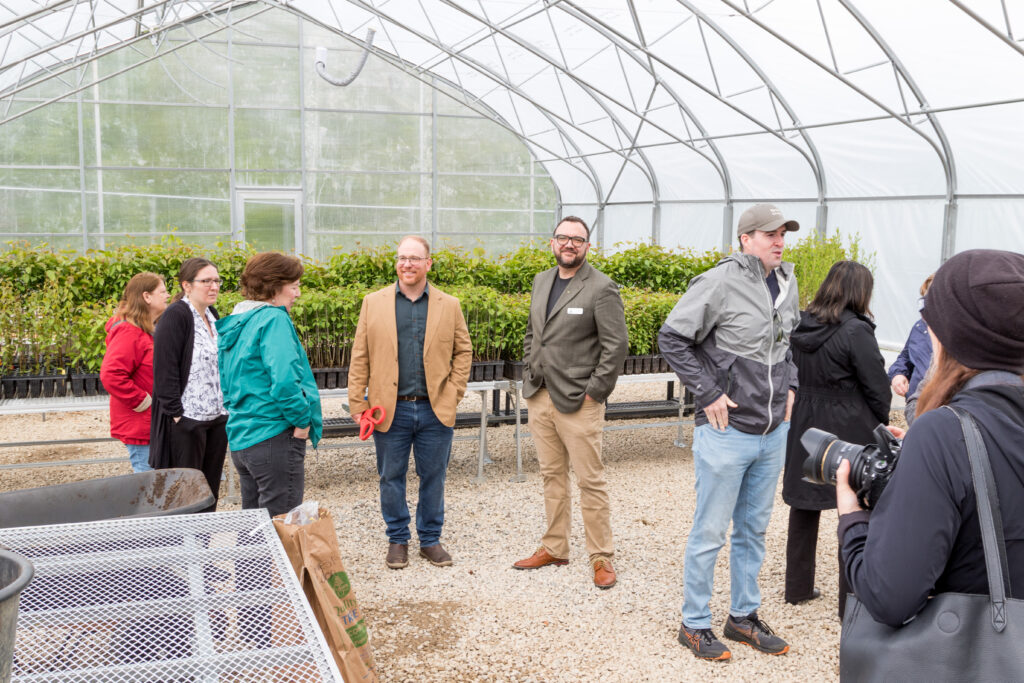
This commitment to a green future creates the very landscapes that make London such a delightful place to explore. The shaded pathways, the lush riverbanks of the Thames, the vibrant parklands—they are all part of the story.
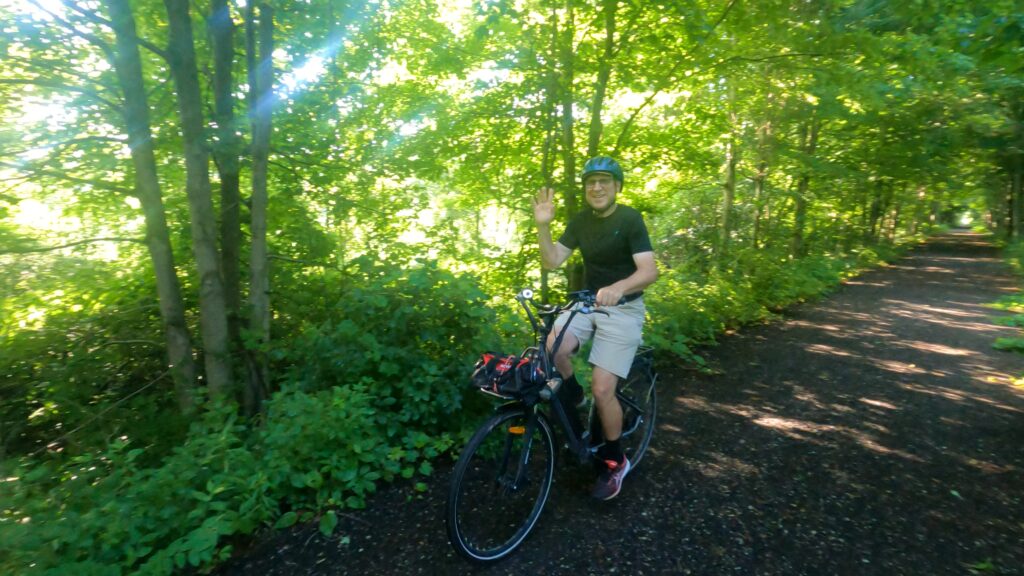
(Photo credit: Lawrence Durham)
Hi, I’m Lawrence – bicycle tour guide, storyteller, and a proud champion of our beautiful Forest City.
I love sharing stories about what makes London so special. The cool, shaded trails and beautiful parks are the perfect settings for some amazing bicycle rides. If reading this makes you want to experience London’s green spaces, I’d be delighted to show you around.
Leave a Reply