

Here’s something that surprises even longtime Canadians.
In November 2021, London became the first and only Canadian city to be designated a UNESCO City of Music.
Not Toronto. Not Montreal. Not Vancouver. Yes, little ole London.
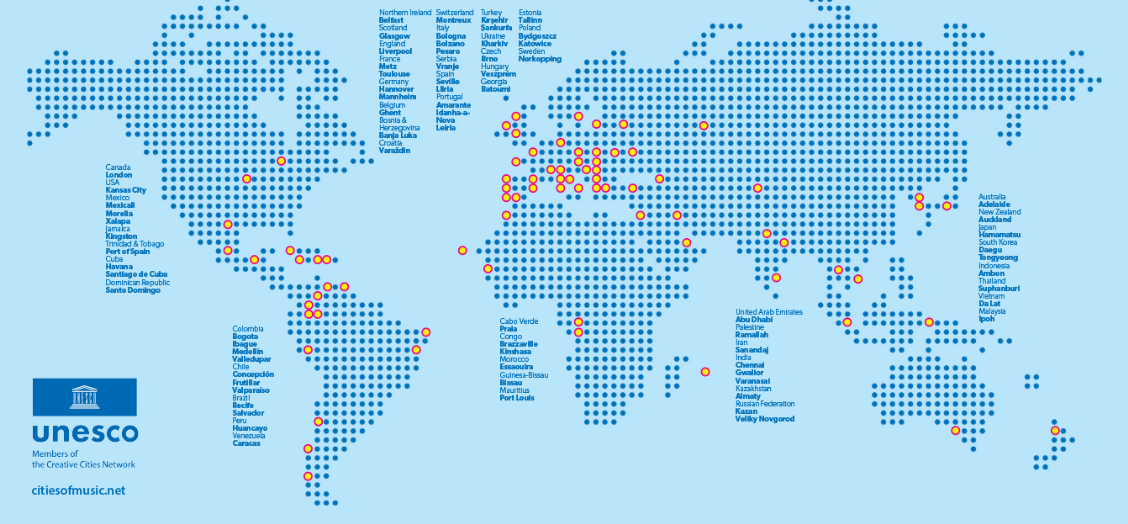
(Source: Cities of Music Network)
This raises an obvious question: Why us?
Why would the United Nations Educational, Scientific and Cultural Organization, the same body that designates World Heritage sites like the Pyramids of Giza, choose a mid-sized city in Southwestern Ontario over Canada’s biggest metropolises?
The “Super Power” of Being Smaller
It’s tempting to assume that a UNESCO music title would naturally go to Toronto, with its massive concert venues and international star power, or Montreal, with its legendary jazz festival and vibrant indie scene. But UNESCO’s Creative Cities Network isn’t just about size, it’s about integration. It’s about how deeply music is woven into a city’s identity, its education system, its economy, and its daily life.
Here, London’s smaller size becomes its superpower.
Unlike sprawling metropolises where culture can feel fragmented, London offers something increasingly rare: a walkable, connected music ecosystem where venues, educators, and artists actually know each other.
The Perfect Step Up For Artists
What makes London truly special for musicians and fans alike is our ecosystem of venues. Unlike massive metropolitan centers with a few impersonal arenas, London boasts what industry insiders call a perfect “venue ladder.”
As of 2019, the city supported a diverse mix of 53 live music venues, including taverns, concert halls, and a 9,100-capacity arena.

(Photo credit: London City of Music).
An artist could get their start at a local bar, then advance to a club like Rum Runners (capacity 350), recognized as Small Club of the Year by the Canadian Live Music Association in 2024. Next, they could move up to the London Music Hall (capacity 1,600) or Centennial Hall (capacity 1,637 ), and eventually headline Canada Life Place (capacity 9,100).

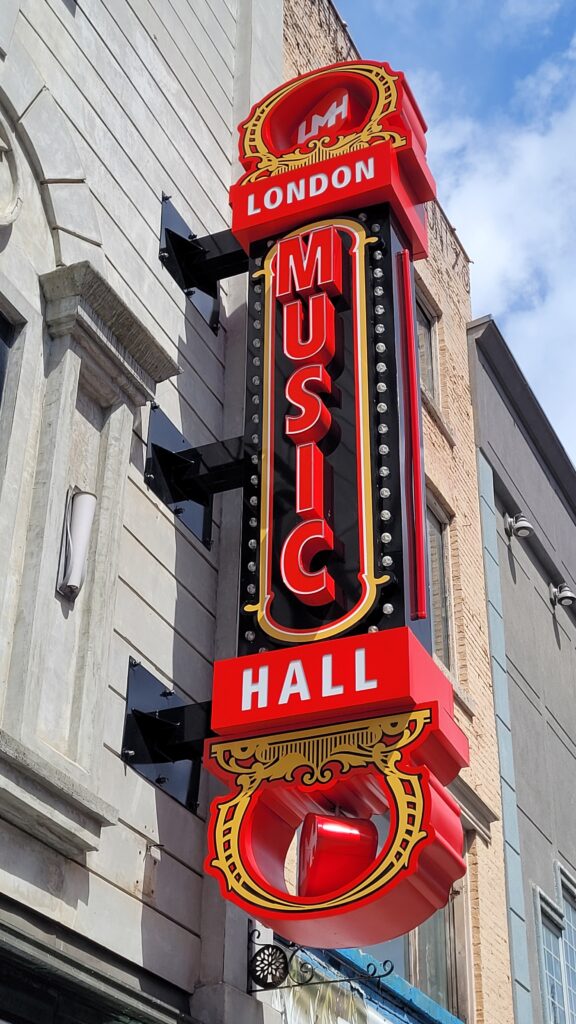
Top left photo: Rumrunners. (Photo credit: Lawrence Durham).
Top right photo: London Music Hall. (Photo credit: Lawrence Durham).

(Photo credit: TD Sunfest Canada).
This venue ladder allows artists to literally grow within the city, building fanbases over years or even decades.
A Factory of Talent
But UNESCO didn’t just look at our venues. They looked at our classrooms. London is a bona fide hub for music education, thanks to three internationally recognized post-secondary institutions: Western University, Fanshawe College, and the Ontario Institute of Audio Recording Technology (OIART).
Together, these schools educate over 1,000 music students annually, creating a pipeline of talent that feeds the industry at every level, from performers to producers.
The numbers back this up. In 2017, three out of five JUNO-nominated sound engineers were London-educated, a statistic that speaks to the caliber of training happening in our classrooms and studios.

(Photo credit: London City of Music)
This isn’t just about producing graduates; it’s about retaining talent. UNESCO’s designation recognized that London isn’t just consuming music, we’re creating it, at an internationally competitive level. This makes sense when you consider that Canada is the third-largest exporter of music globally, trailing only the U.S. and the U.K.
The Geographic Sweet Spot (and the Challenges)
Nestled almost exactly halfway between the musical titans of Toronto and Detroit, London occupies a unique position in the touring world. This proximity is both a blessing and a curse.
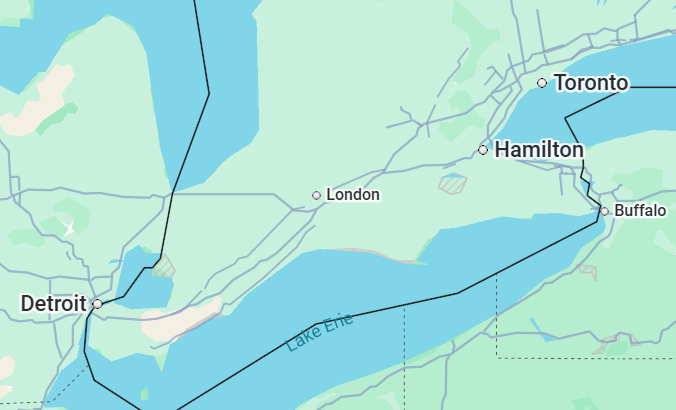
Some major artists skip London: it often comes down to “radius clauses” that prevent artists from playing nearby cities when they perform in Toronto. If an artist is playing the Rogers Centre (capacity 55,000), they’re often contractually prohibited from also playing London’s 10,000-seat Canada Life Place.
Still, large-scale concerts can come to London with the right infrastructure and investment. And London has proven it can compete: we’ve hosted Metallica, Prince, and in 2024, Nickelback at Rock the Park.
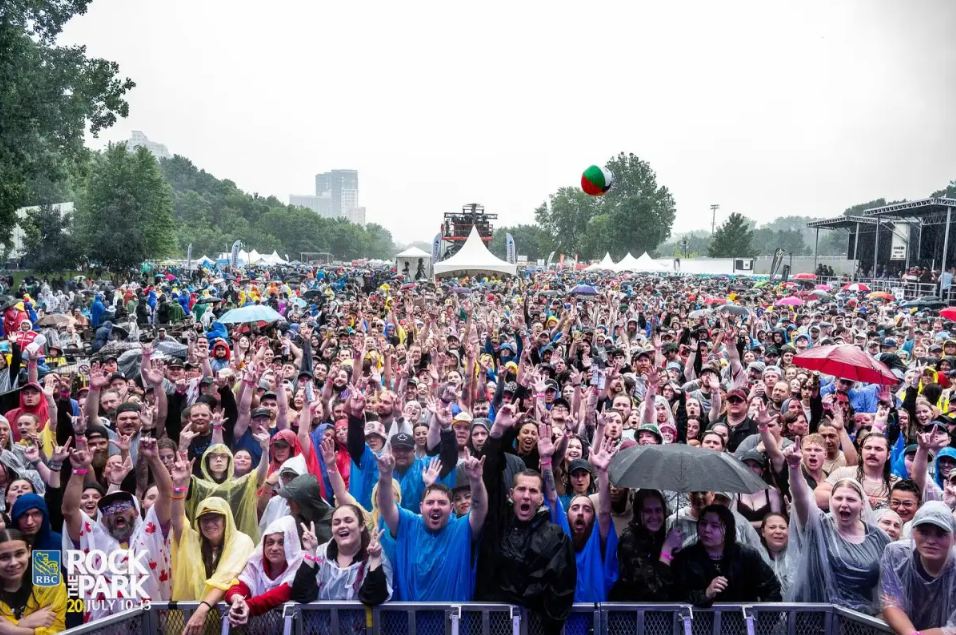
(Photo credit: Rock the Park / Facebook)
A Commitment Baked Into Policy
What truly set London apart for UNESCO wasn’t just our talent or our venues. It was our intentionality. In 2014, London became only the second municipality in Canada to approve a dedicated Music Strategy, and in 2015, we hired a Music Industry Development Officer.
The city has intentionally put music into its strategic direction, supporting over 290 special events annually, including major festivals like Sunfest, Rock the Park, and the Canadian Country Music Awards (CCMA).
London hosted the JUNOS in 2019 and the CCMA in both 2016 and 2021.
The UNESCO designation wasn’t accidental. It was the result of decades of sweat equity.

(Photo credit: Canadian Academy of Recording Arts and Sciences (CARAS) / Ryan Bolton).
A Visible Celebration of Sound
In 2025, Canada’s very first Hard Rock Hotel opened its doors in London, offering guests curated in-room vinyl collections, a guitar and amp menu available for delivery to your suite, and a speakeasy tucked away for post-show debriefs.
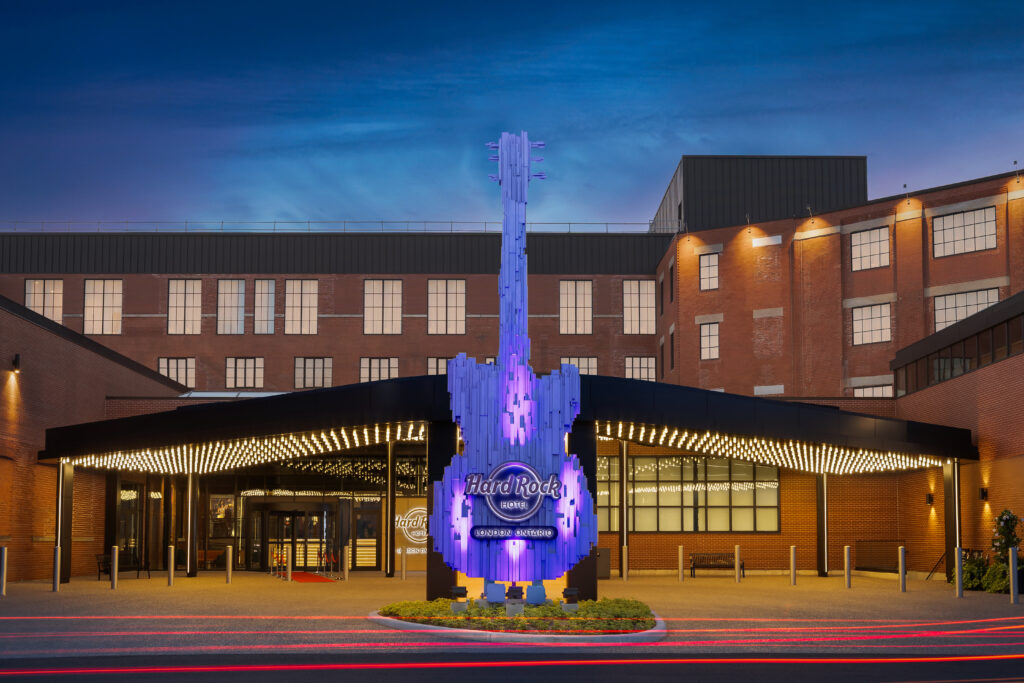
(Photo credit: Hard Rock Hotel London)
In 2023, the city unveiled a UNESCO City of Music Mural by London artist Tova Hasiwar in the lobby of RBC Place London.

(Photo credit: Lawrence Durham).
Also in 2023, artist Kevin Ledo created the three-story-tall “Johnny & June” mural on the north side of Canada Life Place on Dundas Street, commemorating Johnny Cash’s famous 1968 on-stage proposal to June Carter at the former London Gardens arena.
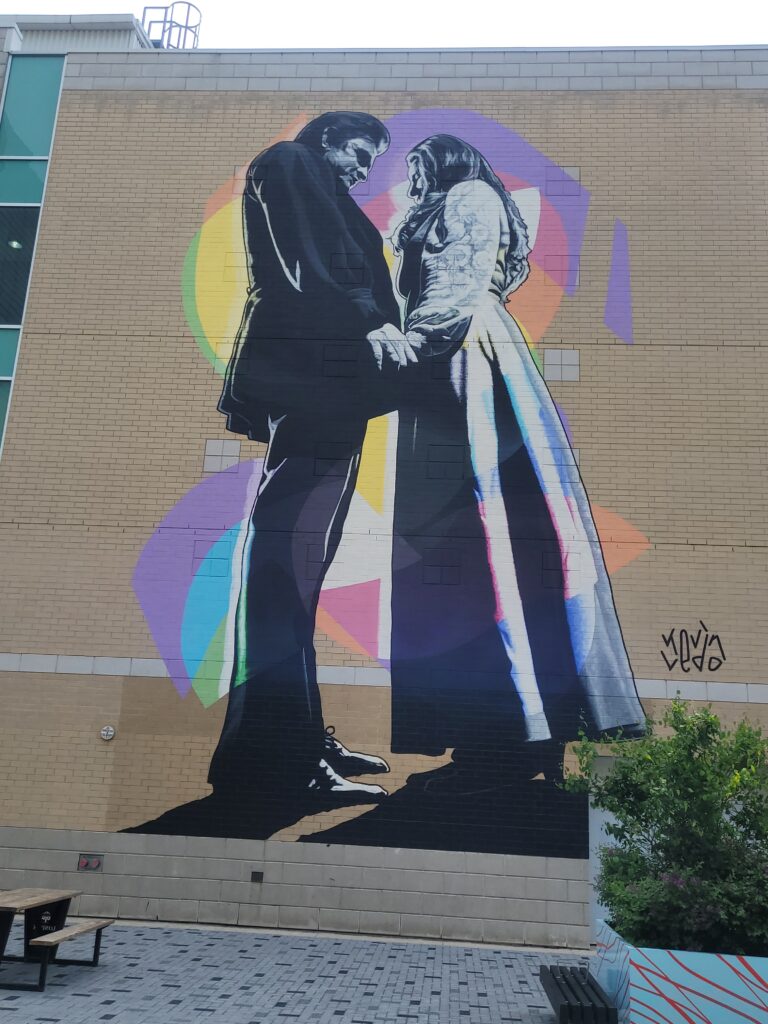
(Photo credit: Lawrence Durham).
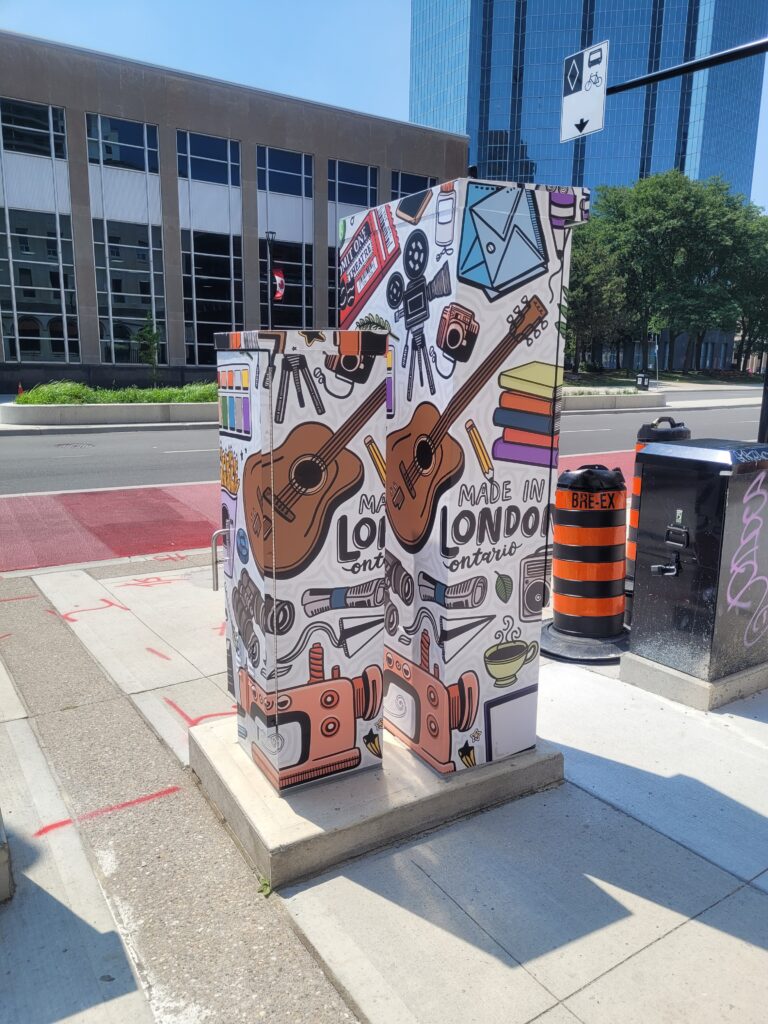
(Photo credit: Lawrence Durham).
The Economic Impact
The effect of London’s music scene extends far beyond the stage. The music sector supports nearly a thousand full-time equivalent jobs and hosts thousands of events annually. Before the pandemic, the 2019 London Music Census found that London hosted 4,740 live music events in 2018 (that’s an average of 13 per day), with five major music events drawing hundreds of thousands of visitors and generating a $25.9 million economic impact.
In 2023, Tourism London announced a staggering $1 billion in tourism revenue, with the music sector playing a significant role in attracting visitors from across the province, country, and world.
Looking Ahead
London continues to leverage its UNESCO designation actively. In 2024, the London Music Office hosted the international UNESCO Cities of Music meetings, welcoming guests from as far away as New Zealand and Mauritius. Plans are underway for a physical “incubation facility” that would market London’s studios to producers, engineers, and artists from around the globe.
The city was even recognized as ‘Music City of the Year’ by the Canadian live music industry during the 2024 Canadian Live Music Awards.
Why London?
So why was London chosen over Toronto or Montreal? Because UNESCO wasn’t just looking for big cities with big concerts. They were looking for cities where music is a way of life, where it’s taught in schools, supported by policy, celebrated in streets, and accessible to everyone.
London’s size means our music community is connected, not siloed. It means artists actually talk to each other in hotel lobbies, can walk to dinner without entourages, and feel right at home.
London may be small, but our sound is anything but. From the classrooms of Western to the stages of Rock the Park, London is proving that world-class music can thrive far from big cities, right here in Southwestern Ontario.
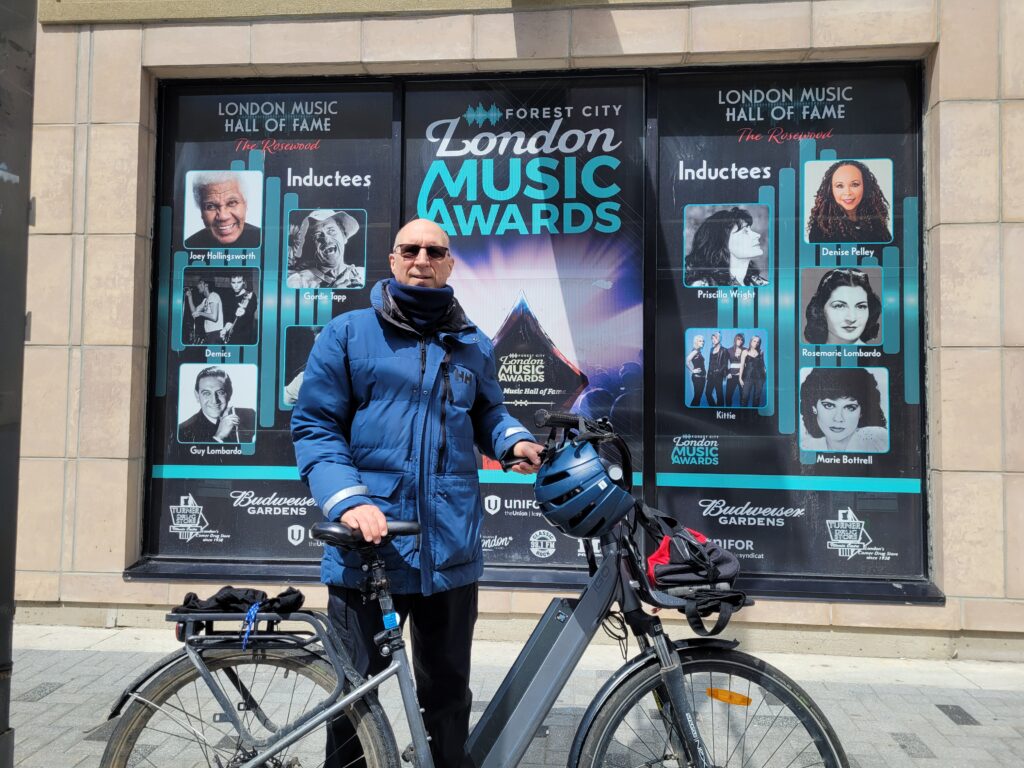
(Photo credit: Lawrence Durham).
Hi. I’m Lawrence – bicycle tour guide, storyteller, and lover of puns. I also enjoy listening to live music… even though I can’t carry a tune.
I hope you enjoyed this quick look at why our LITTLE city earned such a BIG title. If you want to experience London’s hidden gems, come along for a bicycle tour with me. We’ll pass historic venues, talk about the artists who got their start here, and see the London that only the locals know.
Leave a Reply