
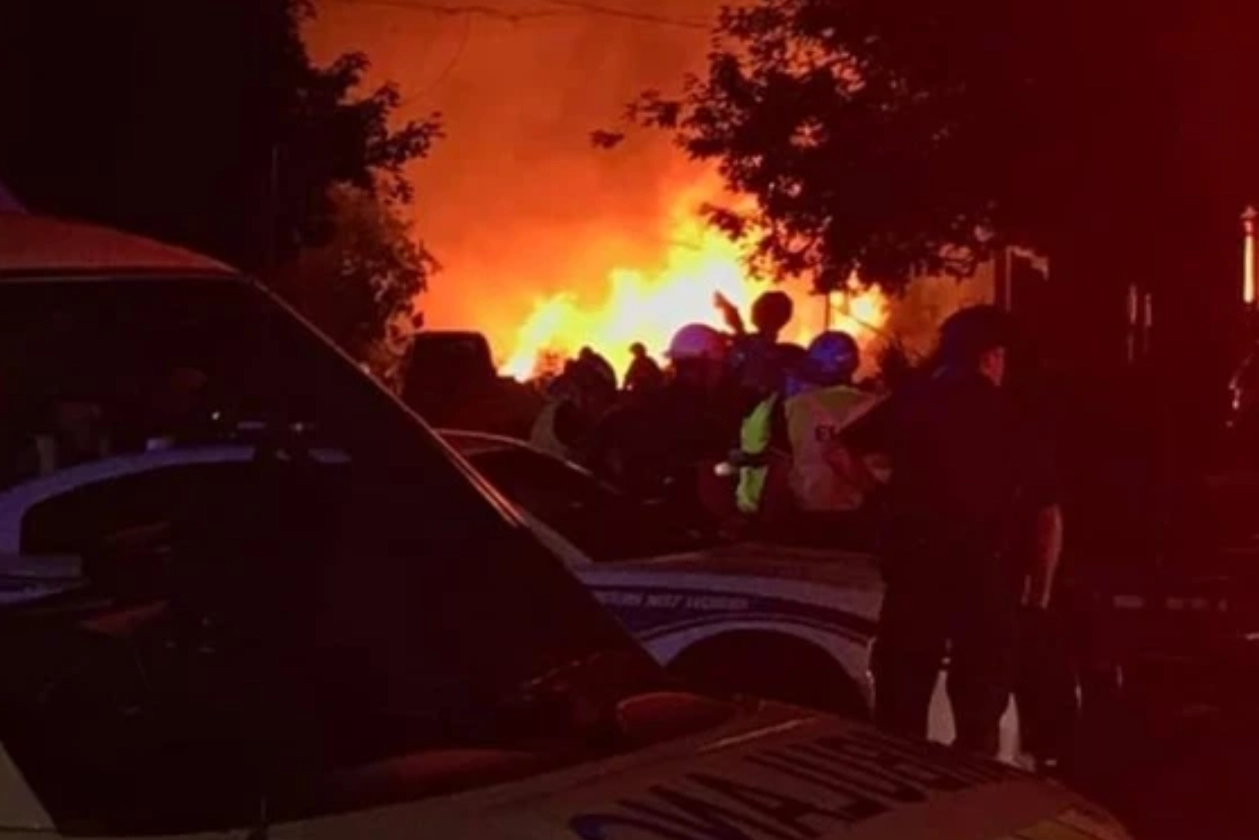
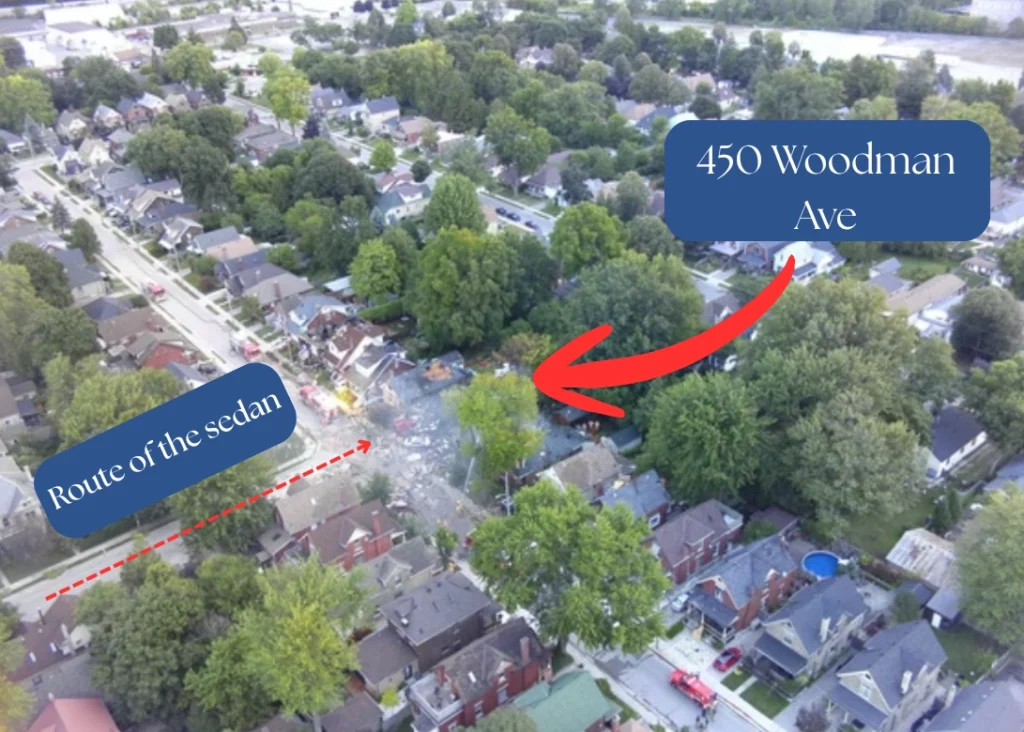
At 9:30 pm on a warm summer evening in 2019, a sedan came barrelling down Queens, going the wrong way on a one-way street.
When it got to a T-intersection, it had nowhere else to go. It slammed into the front of a small brick house at full speed.
The driver was a 23-year-old woman who was later found to have a blood alcohol level nearly three times the legal limit.
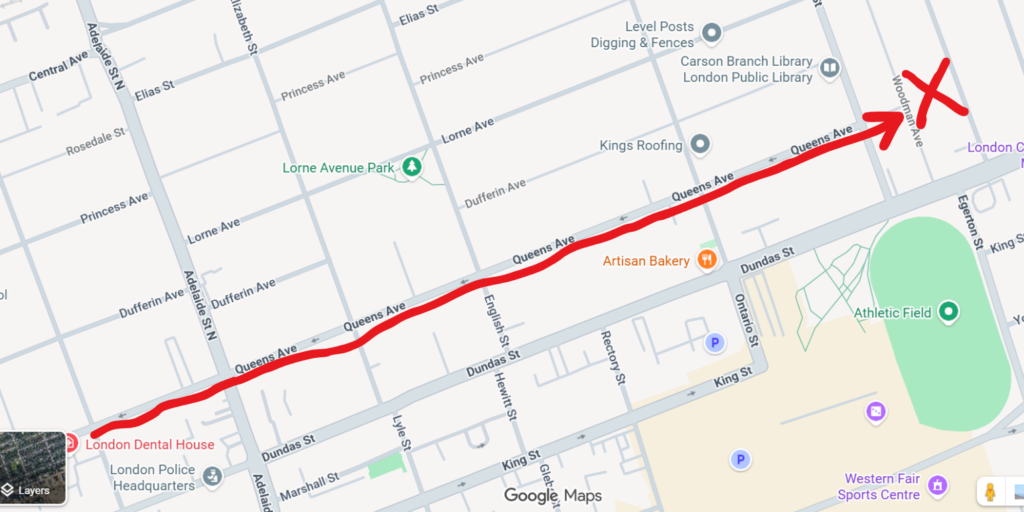
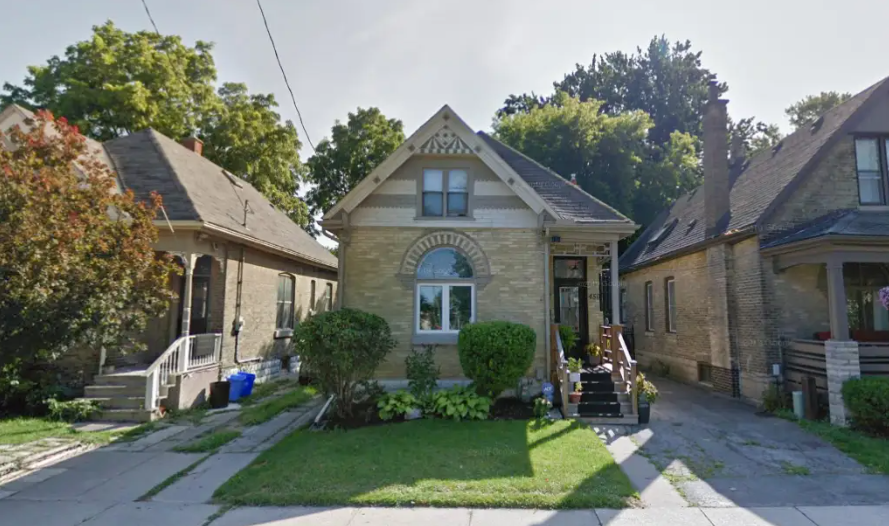
(Google Maps street view).
The impact was so violent that witnesses said the rear of the car lifted into the air. The crash severed the home’s natural gas line, creating a ticking time bomb.
A 15-Minute Race Against the Clock
First responders flooded the scene immediately. Neighbours didn’t wait for instructions. Seeing the driver unconscious behind the car’s locked doors, local residents grabbed some bricks and smashed the windows to try to pull her to safety.
When firefighters arrived on the scene, they knew that they had less than 15 minutes before their worst fears were realized.
Evacuations began instantly. Within minutes, crews were knocking on doors, pulling sleeping families from their beds, and rushing them to safety. But gas had already filled the void beneath the home.
Then came the blast.
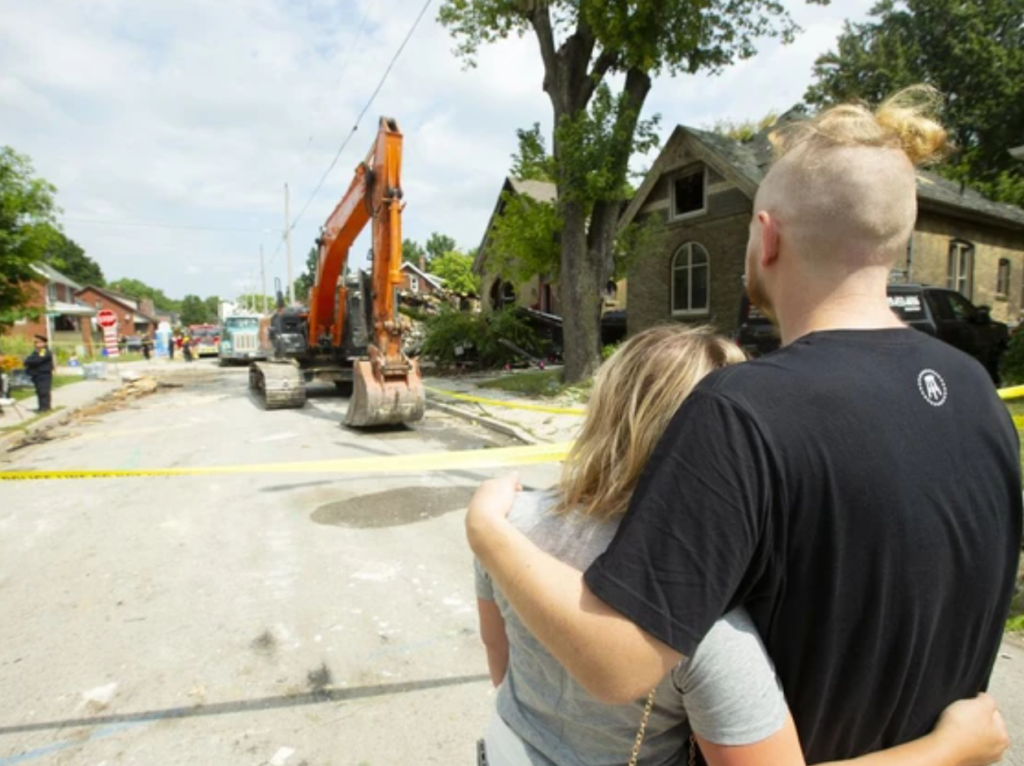
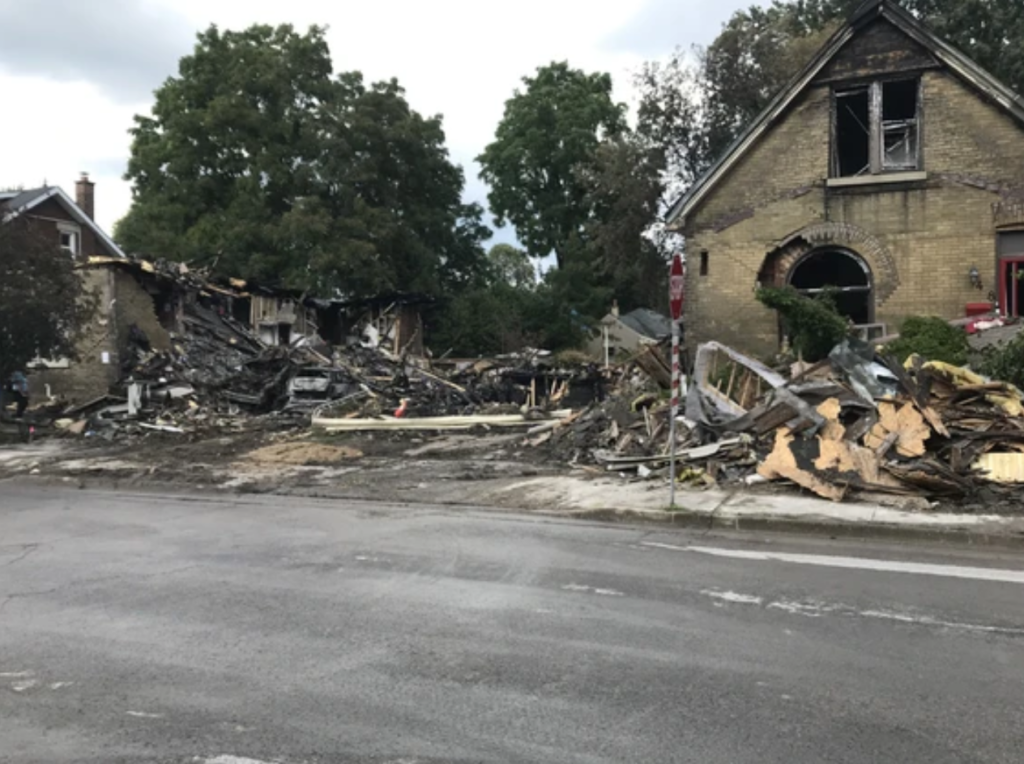
The explosion levelled 450 Woodman Avenue, completely wiping it off the map. The shockwave knocked nearby emergency personnel off their feet. It shook homes blocks away. The blast was so powerful that it registered on infrasound sensors 23 kilometres north of the city, near Elginfield, Ontario.
Author’s note: The following photos are all from news coverage by the London Free Press, unless otherwise stated.
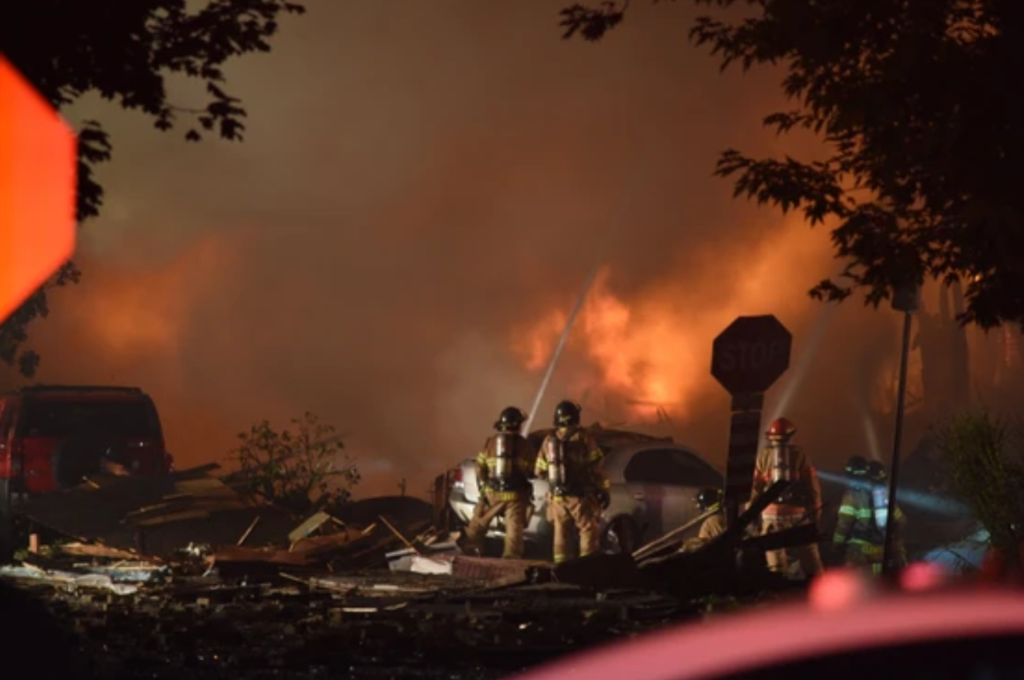
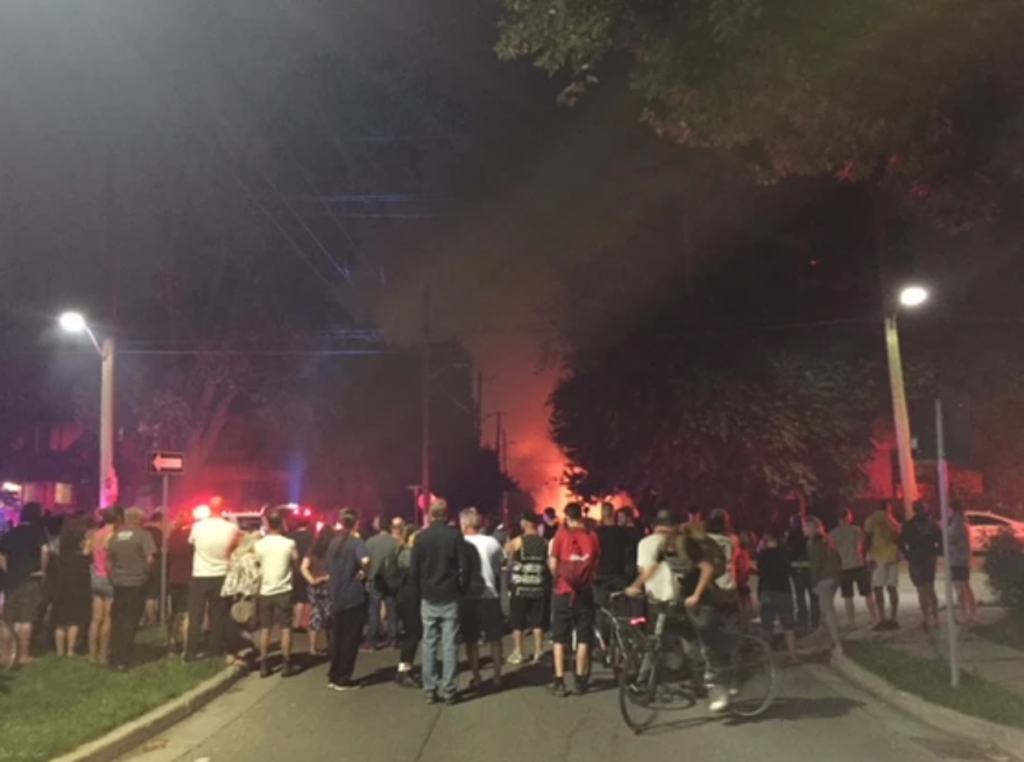
The Immediate Aftermath
In the hours that followed, the true scale of the response became clear.
- 100 homes were evacuated.
- Natural gas was shut off to more than 50 properties.
- 12 homes were damaged, 3 beyond repair.
- 4 first responders (2 police officers and 2 firefighters) were injured but survived.
- Over the first 15 hours, 12 of London’s 14 fire halls were involved.
- 23 of the department’s 27 fire apparatuses attended Woodman Avenue.
- 60 firefighters came and went, extinguishing hot spots and sifting through the rubble.
- Dozens of displaced residents spent the early morning hours at an emergency centre, before the city moved them to hotels.
Early estimates put the cost of the destruction in the tens of millions of dollars. It was, by any measure, a catastrophic event.
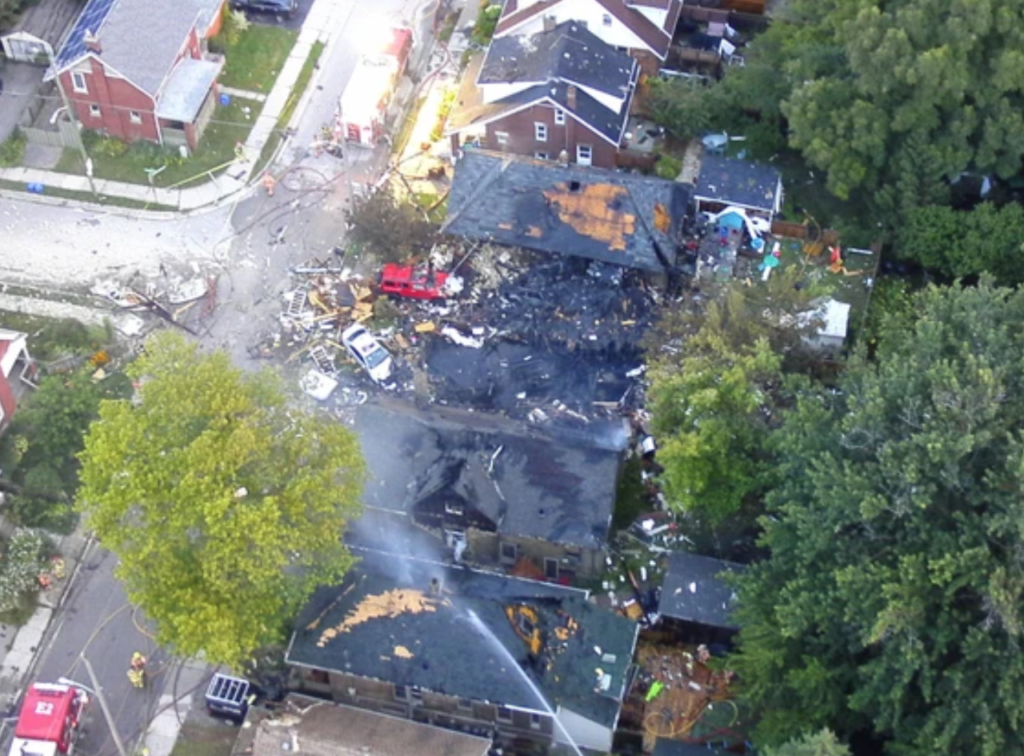
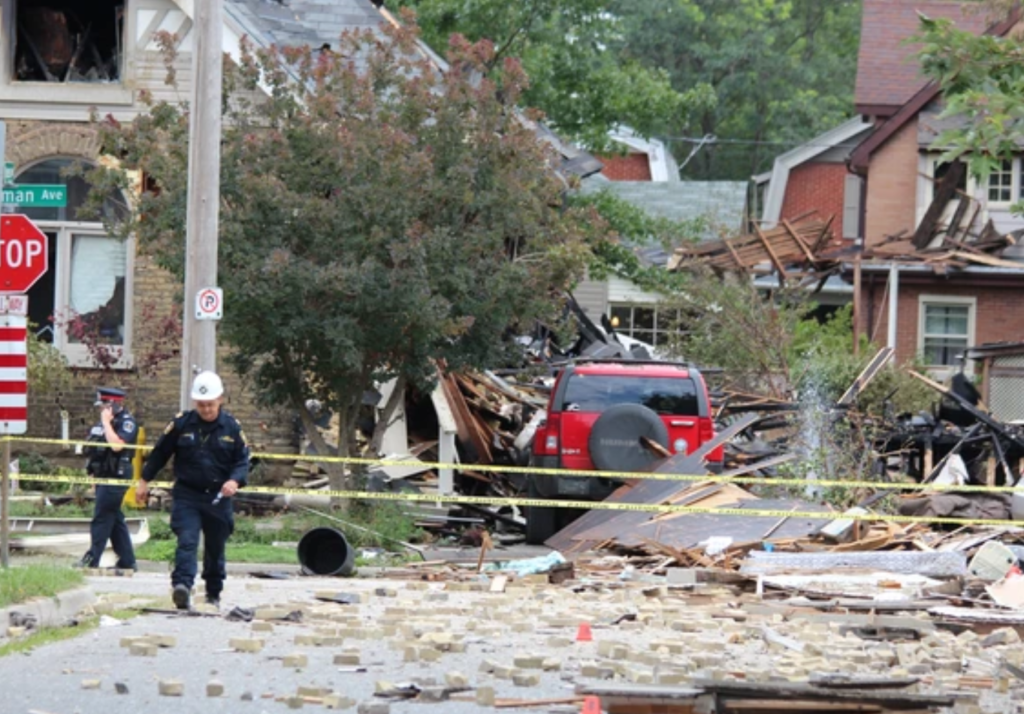
Justice and Accountability
The driver was arrested the night of the incident. She later pleaded guilty to four counts of impaired driving causing bodily harm. In February 2021, she was sentenced to three years in prison, a sobering reminder of the real-world consequences of impaired driving.
But for the residents of Old East Village, the court case was a footnote. The main story was always about going home.
The Rebuild
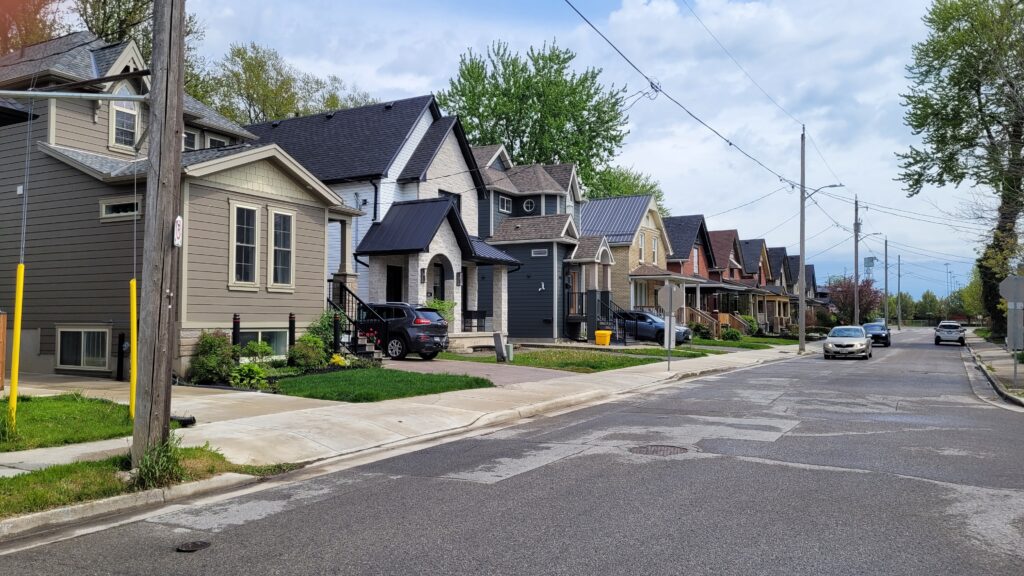
If you visit Woodman Avenue today, you won’t see a scarred wasteland. You’ll see new buildings standing proudly beside restored heritage homes. You’ll see front porches with flower baskets, kids playing on driveways, and neighbours waving at each other.
The explosion didn’t destroy the spirit of Old East Village – it proved its durability.
In the months following the blast, the city and local developers worked closely with displaced homeowners. Fundraisers popped up at local pubs. The neighbouring community centre (just a short walk away) became a hub for recovery meetings. Strangers donated furniture. Volunteers gutted smoke-damaged basements.
(Photo credit: Lawrence Durham)
Why This Matters for Your Visit to London
If you’re reading this from Toronto, Vancouver, or even abroad, you might wonder: Why would a bicycle tour company write about a gas explosion?
Because history isn’t just about the pretty parts. Great cities are defined by how they react to the ugly parts.
London has a deep history of resilience.
Did you know that in 1845, after the Great Fire of London burned much of the original town to the ground, citizens rebuilt it so quickly that within two years, London was named the district capital? The same energy was on display following the gas explosion of 2019.
When you cycle through Old East Village today, you’ll pass through a neighbourhood that has survived deindustrialization, economic shifts, and yes, a literal explosion.
And yet, the coffee shops are busy. The Western Fair Farmers’ & Artisans’ Market (just a block away from Woodman) is a weekend institution. The murals on Dundas Street tell stories of hope.
That survival instinct is part of London’s charm.
(Photo credit: Lawrence Durham).
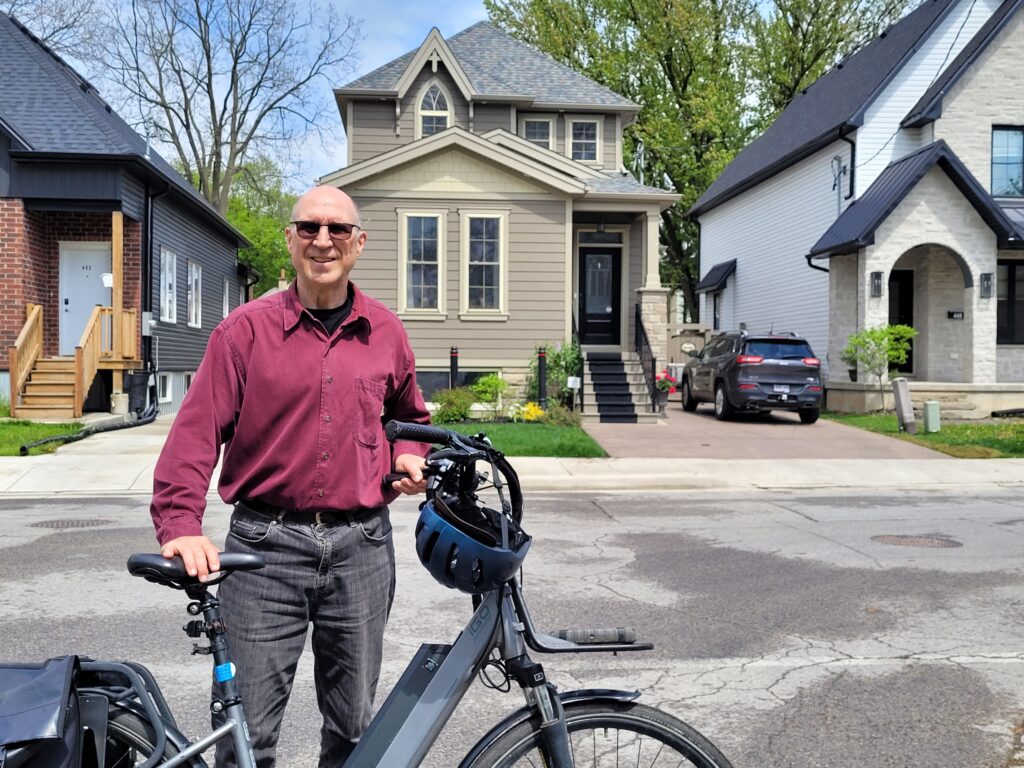
Hi. I’m Lawrence—bicycle tour guide, local history nerd, and proud Londoner.
I tell you this story not to scare you, but to impress you. London isn’t a city that breaks easily. It’s a city that buckles, takes a deep breath, and then rebuilds with better windows and a stronger foundation.
When you join me on a tour, we don’t just ride past buildings. We ride past stories.
We keep our groups small, our laughs big, and our pedals steady.
So come see the real London. The one with scars, smiles, and spectacular bike lanes. Your next adventure is waiting. Click here to book a tour. Let’s roll through history together.
Featured cover photo: from the London Free Press.
Leave a Reply