
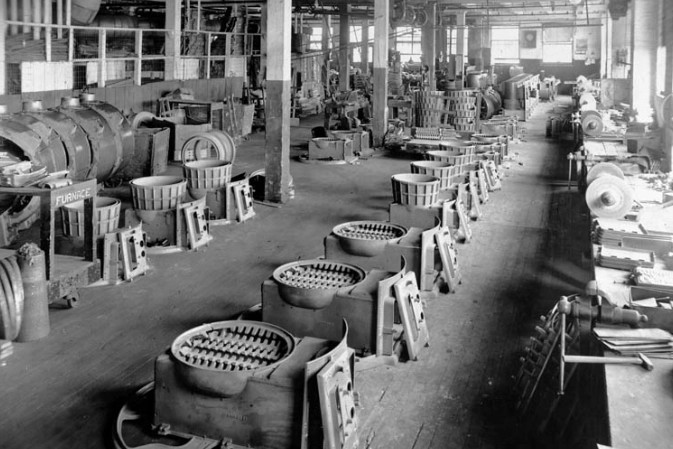
If you stroll down King Street in downtown London, Ontario, you’ll pass a bustling mall, coffee shops, and office towers. What you won’t see, unless you know where to look, is the birthplace of an industrial empire.
In 1852, on the very spot where shoppers now browse for shoes and smartphones, two brothers opened a modest tin smith shop. Within a generation, that tiny venture would grow into the largest stove manufacturer in the British Empire, a brand so trusted that the name “McClary” became shorthand for quality in kitchens everywhere.
Here is the tale of humble beginnings, clever risk-taking, and a legacy that still echoes through London’s streets.
From Tin to Iron: The McClary Brothers’ Gamble
John McClary’s start in life could not have been more ordinary, or more modest. Born on a farm south of London in 1829, the 11th of 12 children, John learned the tinsmith trade as a young apprentice from his older brother.
In 1852, at just 23 years old, he and his brother Oliver formalized their partnership as J. and O. McClary. Their first shop sat at the corner of King and Wellington Streets, at the very heart of the city. But John had bigger dreams than repairing pots and pans in a small tin shop.
He noticed that settlers streaming into Canada West (now Ontario) needed durable, efficient cooking stoves. Imported stoves were expensive and often delayed. So the McClary brothers added a small foundry to their operation, pouring their first cast-iron stoves by hand. It was a gamble, but one that would pay off spectacularly.
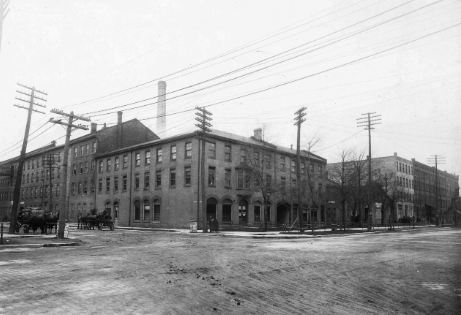
(Photo credit: Museum London)
Seizing the “Tariff of Bad Roads” and the Iron Horse
Two forces outside the McClarys’ control unexpectedly became their greatest allies.
First, there was what historians call the “tariff of bad roads.” In the mid-19th century, Canada’s muddy, rutted wagon trails made shipping heavy goods from the United States or Britain painfully slow and costly. Local manufacturers like the McClarys suddenly had a massive advantage: they could deliver a cast-iron stove to a farmhouse in a week, while an imported rival might take months.
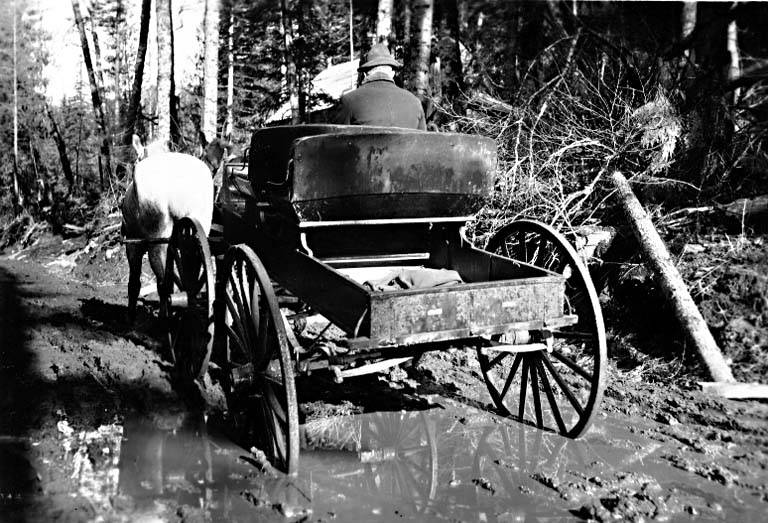
(Photo credit: Wikimedia Commons)
Second, the Great Western Railway arrived in London in 1853, one year after the company opened its doors. The timing was perfect. McClary stoves could now be loaded onto boxcars and sent out west as fast as the railway companies could lay down tracks.
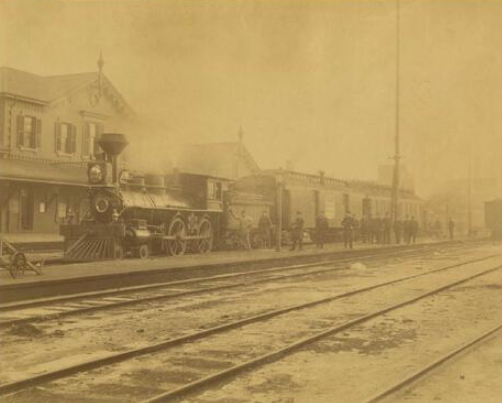
(Photo credit: Western Archives Regional Photograph Collection)
By the 1870s, a McClary wood-burner was warming kitchens from rural Ontario to the western prairie frontier.
In 1871, the company incorporated as the McClary Manufacturing Company… and never looked back.
The Famous McClary Stove
What made McClary stoves so beloved?
Reliability and variety.
The company produced everything from compact wood-burning ranges for small cabins to ornate, nickel-trimmed cookstoves for Victorian townhouses. As technology evolved, so did the McClarys: they added oil-fueled models, and later, electric ranges that were the envy of modern homemakers.
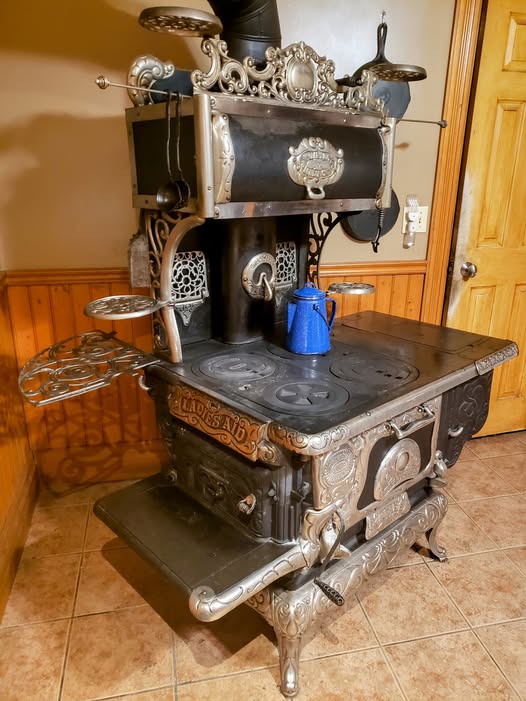
(Photo credit: Paul Feltz)
But stoves weren’t the whole story. McClary also became a leading producer of enamelware, tinware, copper pots, and pressed metal kitchen accessories.
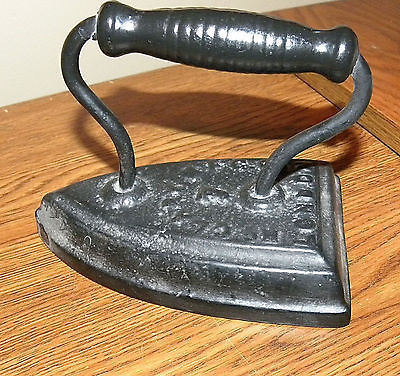
And for cast-iron enthusiasts, McClary frying pans and skillets are still sought-after antiques today. Pick up a vintage McClary skillet at a flea market today, and you’ll feel the heft of 19th-century craftsmanship, a label that meant “guaranteed” long before modern warranties existed.
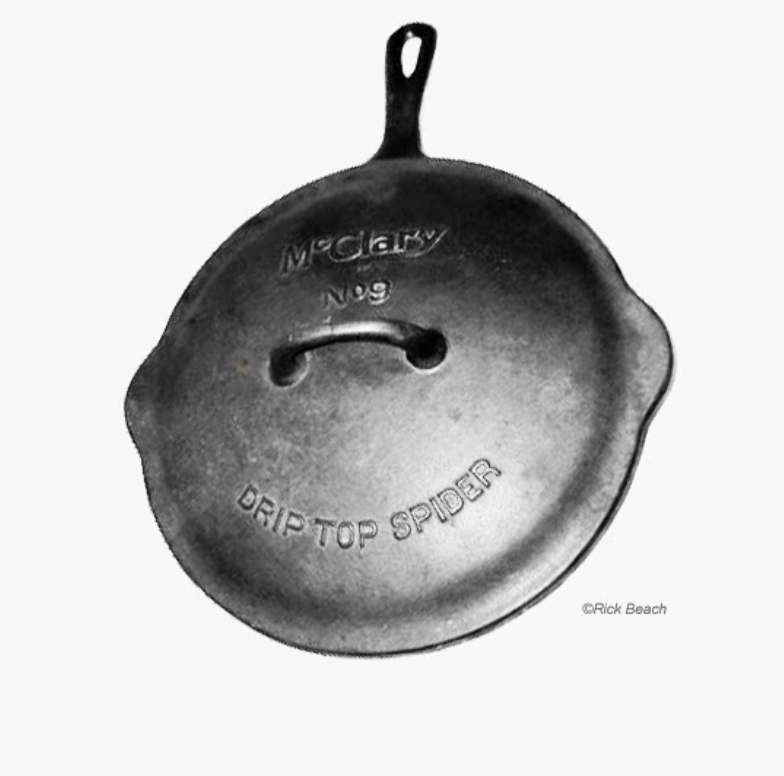
Top left: McClary No 9 Drip Top Spider. (Photo credit: Rick Beach)
Top right: Very rare (and heavy) McClary Sad Iron. (Photo credit: Worth Point)
Two Factories, One City
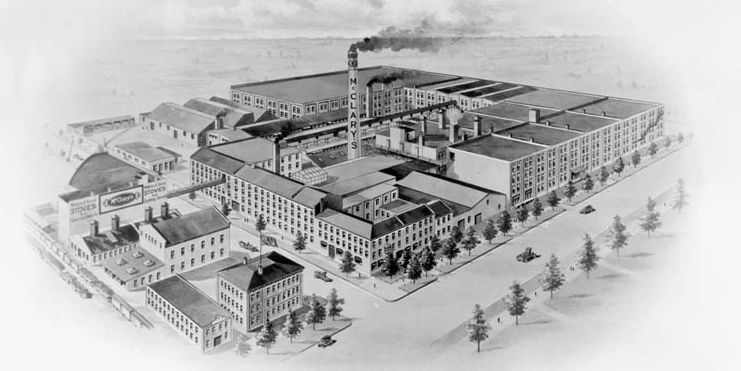
(Photo credit: Dictionary of Canadian Biography)
After five decades, the exploding demand for stoves required that the company expand even further.
In 1903, McClary opened a sprawling new factory on Adelaide Street, just north of the Thames River. That red-brick complex soon rang with the clang of cast-iron moulds and the hiss of steam engines.
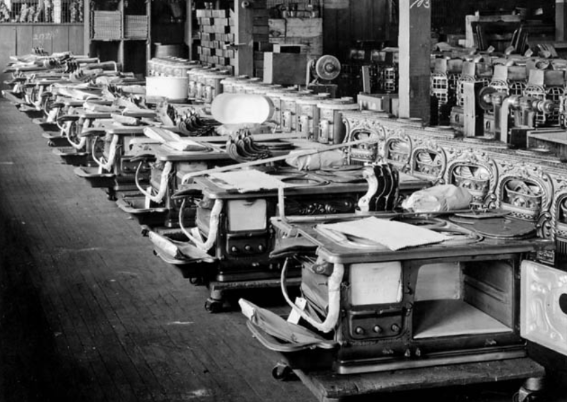
(Photo credit: Library and Archives)
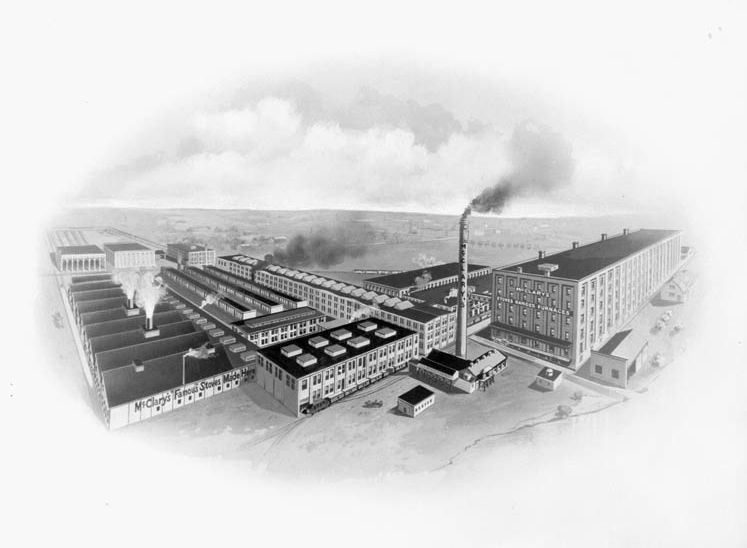
(Photo credit: Dictionary of Canadian Biography)
At its peak in 1915, the McClary Manufacturing Company employed 1,500 Londoners. McClary’s was now the largest employer in the city and shipped stoves across the British Empire.
The GSW Merger and a Quiet Sunset
In 1927, facing increasing competition, McClary Manufacturing merged with four other companies to form General Steel Wares (GSW).
The McClary brand lived on for a time, but gradually the name faded from memory. GSW continued operating the McClary factories until the mid-1970s, when the last cast-iron stove rolled off the line.
But remnants of the McClary era still stand.

(Photo credit: Lawrence Durham).
McClary House, a handsome yellow-brick home built around 1882 at 53 McClary Avenue, remains as a quiet monument to John McClary’s success.
And the McClary name itself lives on in street signs, antique shops, and in the memories of London’s old-timers.

(Photo credit: Lawrence Durham).
Why McClary’s Story Matters for Visitors Today
For the culture seeker, the traveller who loves industrial heritage, rags-to-riches stories, and the smell of cast iron in the morning, McClary’s legacy is a hidden gem.
And here’s the secret that bicycle tour guides know: history feels different when you move through it at the speed of a pedal stroke. Fast enough to cover ground, slow enough to notice the faded ghost signs on old brick buildings.

(Photo credit: Lawrence Durham).
Hi, I’m Lawrence – bicycle tour guide, storyteller, and proud London history nerd. I help curious folks like you discover the hidden layers of our city, from the seat of a bicycle (the best seat in the house). On my tours, we roll past the echoes of McClary’s foundries, share a laugh or two, and connect the dots between 1852 and today. Small groups, big stories, and a whole lot of fun.
Ready to explore London? Click here to learn more about my guided bicycle tours. Your next adventure awaits.
Featured cover photo: by Library and Archives Canada.
Leave a Reply