
When you picture London, Ontario today, you likely see farm-to-table dining, festival crowds in Victoria Park, and cyclists cruising along the Thames Valley Parkway. But take a ride through our downtown core, and you’re actually passing through what was once one of the most powerful industrial streetscapes in the country.
Believe it or not, in the years leading up to 1915, London was the second-largest cigar manufacturing city in Canada, trailing only Montreal.
At its peak, this city of modest size was producing nearly 80 million cigars a year, with over 20 active factories humming along streets you probably know by heart. Let’s roll back the clock and explore how London became an unlikely tobacco titan, and where those stories still linger today.
How London lit up Canada’s cigar industry
In the late 19th century, most cigars sold in Canada weren’t Canadian at all. They were imported from Germany. But that changed dramatically with Prime Minister John A. Macdonald’s National Policy of 1879, which imposed heavy duties on finished manufactured goods, such as imported cigars, while leaving raw materials, such as Cuban and American tobacco, tax-free.
Suddenly, a high-quality, locally made cigar became the smarter, cheaper option for Canadian smokers.
London was perfectly positioned to capitalize. The city had already grown into a railway hub, with lines fanning out in every direction. Raw tobacco rolled in by boxcar. Finished cigars rolled out to markets across the country. And the sandy soils of southwestern Ontario, already earning the region its “tobacco belt” nickname, didn’t hurt either, even if much of the finest cigar leaf still came from the Caribbean.
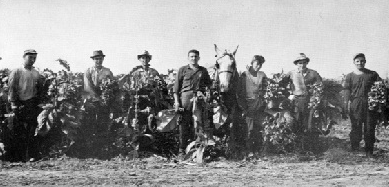
(Photo credit: Robert Moore Postcard Collection).
The glory years: 1910–1915
London’s cigar heyday burned brightest in the years just before the First World War. Historians estimate that between 1910 and 1912 alone, the city’s factories were churning out a staggering eighty million cigars annually.
To put that in perspective: Canada’s national population at the time was only about seven million people. London was keeping a significant portion of the country stocked with smokes.
The factories weren’t tucked away in some remote industrial park. They were clustered right downtown, particularly along Clarence, Horton, and Dundas Streets. These were bustling, working-class neighbourhoods where you could smell tobacco curing before you saw the factory signs.
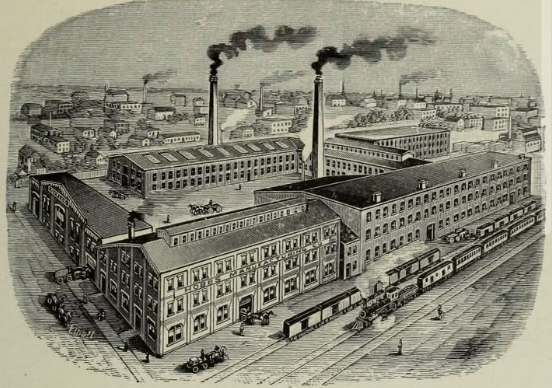
(Photo credit: Vintage London).
Meet the cigar kings of London
Several major players built this industry, and their names still echo through local landmarks.
The Brener Brothers were arguably the biggest. Otto E. Brener, a German immigrant, began making cigars as early as 1881. By 1912, his sons had joined the business, and their factory at 184 Horton Street East (now the home of the Boys and Girls Club) employed roughly 200 people and produced 10 million cigars a year.
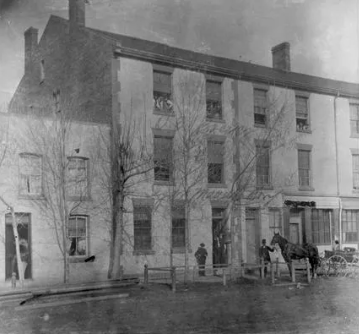
(Photo credit: London Public Library).
Brener Brothers became known for hiring Jewish immigrants arriving in the city, and their factory sat just down the road from the synagogue that would open in 1924 (today the N’Amerind Friendship Centre).
William Ward & Sons was another titan. Established in 1875 at 64 Dundas Street, Ward’s operation outlasted every single competitor. While other factories flickered out after the First World War, William Ward & Sons kept rolling until 1952, the last cigar maker standing in London.
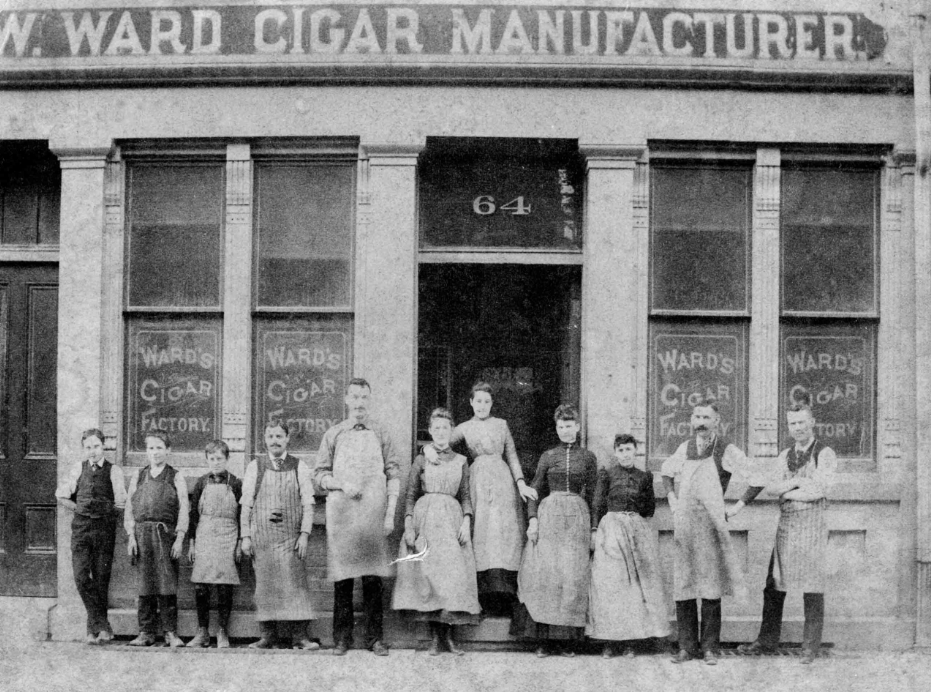
(Photo credit: Robert B. Ward/ Museum London)
Other major names included H. Simon Cigar, John McNee & Sons, and the London Cigar Company. Together, they turned London into a national powerhouse.
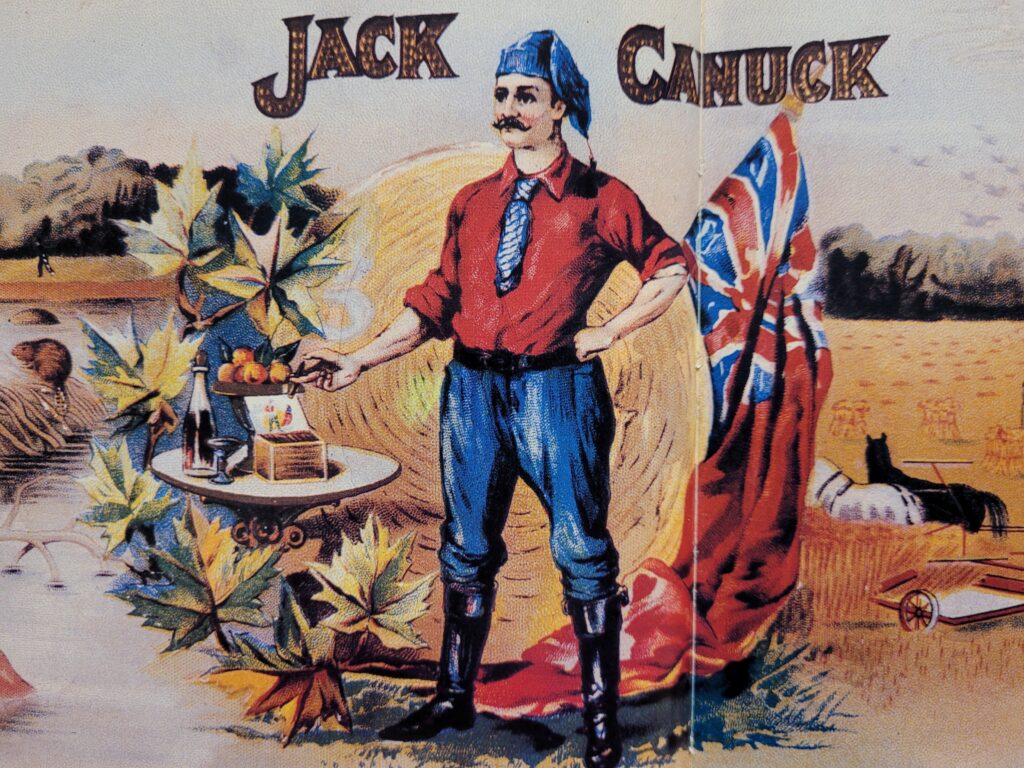
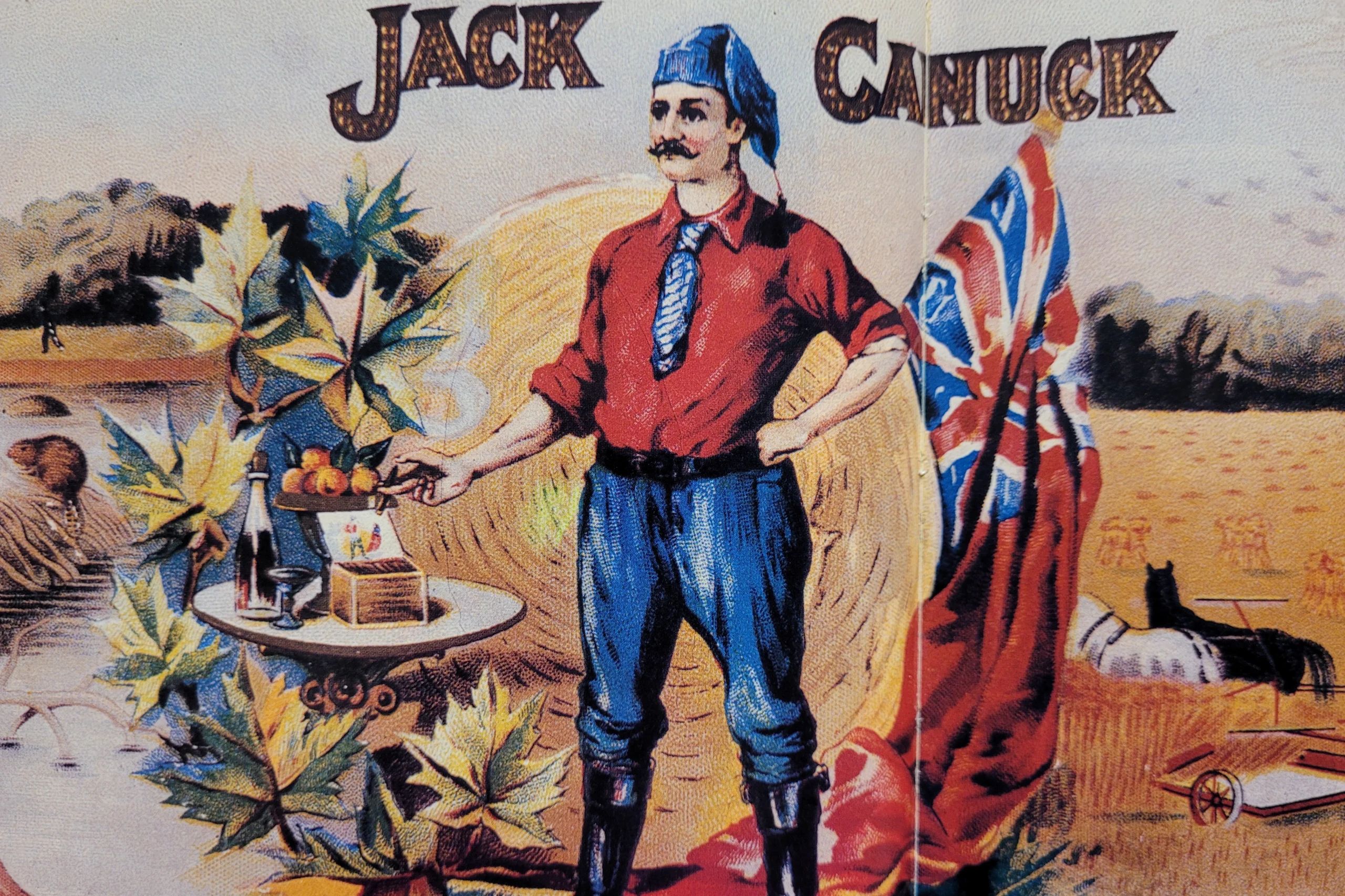
Combining the romance of the expanding Canadian West with a young nation’s rising sense of patriotism, the London Cigar Company marketed the “Jack Canuck” brand to the smoking public.
(Photo credit: J.M. Waters)
Why did men (and it was mostly men) smoke so many cigars?
Cigars in Victorian and Edwardian Canada weren’t just about nicotine. They were about status.
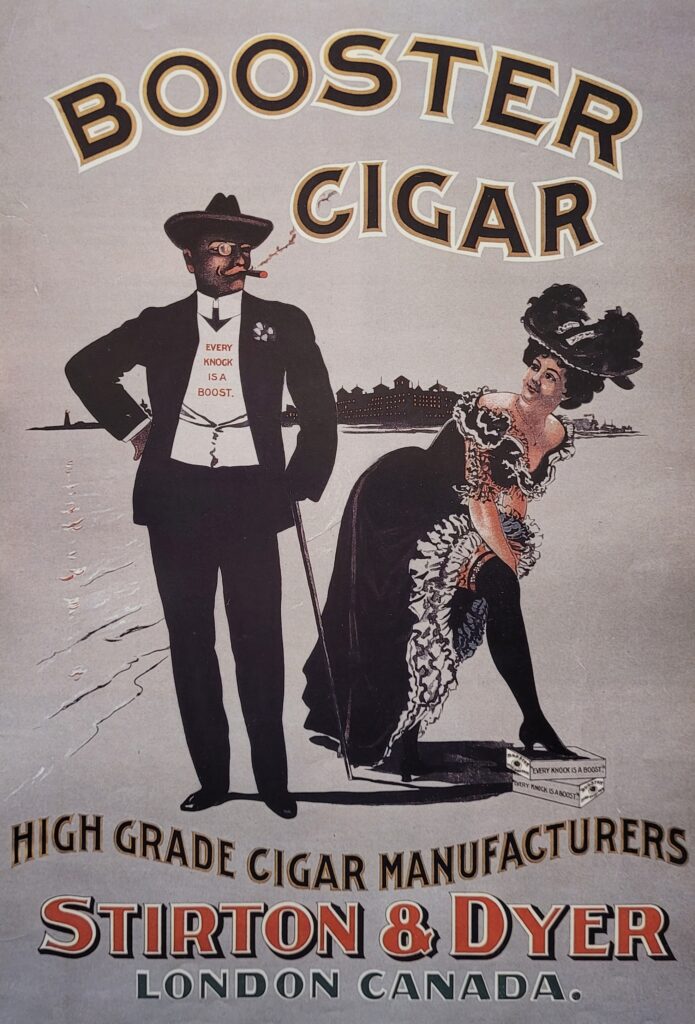
This colourful poster advertised cigars made from high-grade, imported Cuban and American tobacco, “obviously ” only smoked by discriminating gentlemen of wealth and importance.
(Photo credit: Archives and Special Collections, Western University).
As manufacturing efficiencies brought prices down, cigars stopped being an upper-class indulgence and became accessible to working men. Puffing on a good cigar suggested sophistication, success, and a certain worldly confidence. You’ll see this reflected in the elaborate, colourful cigar box art of the era, though it’s also true that some of that artwork featured troubling racist stereotypes of Japanese, Arab, and Indigenous peoples, reflecting the prejudiced attitudes of the time.
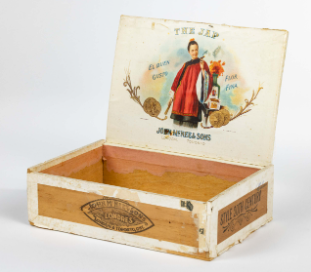
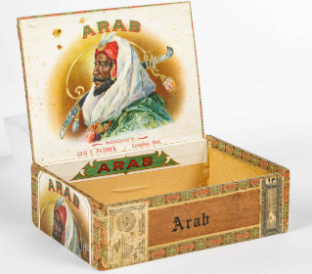
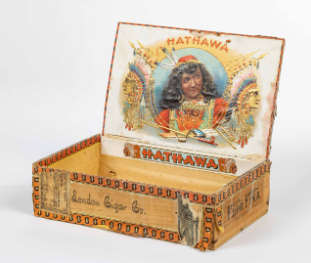
The imagery on the cigar boxes often depicted certain groups as foreign and exotic “others.” This packaging aligned with and reinforced the stereotypes and racist ideas that permeated Canadian culture at the time. (Photo credit: Museum London)
What snuffed out London’s cigar empire?
Every good story has a turning point. For London’s cigar industry, the ashes began to cool during the First World War.
Prohibition (1916) dealt a serious blow to the cigar industry. Taverns and bars had been a primary sales channel for cigars. When Ontario banned alcohol sales, those outlets evaporated overnight.
But the real knockout punch came from a smaller, more convenient rival: the cigarette.
During the war, soldiers’ rations included cigarettes. The Princess Mary Gift Box of 1914, given to troops, contained tobacco, a pipe, a lighter, and twenty cigarettes. When those men came home, they didn’t switch back. Cigarettes felt modern, sociable, and middle-class. Cigars suddenly seemed old-fashioned.
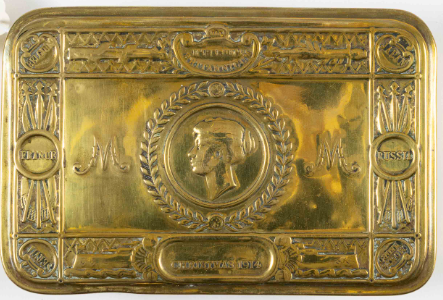
(Photo credit: Museum London).
By 1922, Brener Brothers had closed its doors. William Ward & Sons hung on for another three decades, but when it finally shut down in 1952, an era ended. London’s run as Ontario’s cigar capital was over.
You can still see the legacy today
Here’s the good news for curious travellers: some of the buildings are still standing.
That Brener Brothers factory at 184 Horton Street? It’s now the Boys and Girls Club of London, and you can ride right past it. Many of those downtown factories along Clarence and Dundas have been repurposed into shops, lofts, and offices, but their bones are pure 19th-century industrial London.

(Photo Credit: Lawrence Durham).
For a deeper dive, the London Room at the London Public Library holds photographs, cigar box labels, and local history files. And the Canadian Museum of History in Ottawa also displays some of London’s vintage cigar box art.
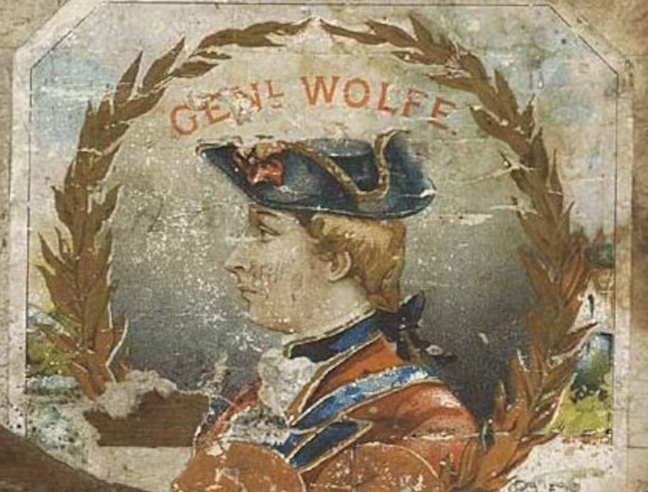
(Photo credit: Canadian Museum of History).
See London’s hidden history from the best seat in the house
Stories like these are everywhere in London, if you know where to look. The old cigar factories don’t have plaques on every door. The neighbourhoods where workers rolled ten million cigars a year are now some of the most charming, walkable (and bikeable) districts in the city.
That’s exactly what we love to share.

(Photo Credit: Lawrence Durham).
Hi. I’m Lawrence. I’m a bicycle tour guide, storyteller, and unabashed London booster. I started London Bicycle Tours because I believe the best way to fall in love with a city is to explore it at human speed, with fresh air in your lungs and a few good laughs along the way.
We ride past buildings you’ve driven by a hundred times without noticing. We uncover the weird, wonderful, and forgotten chapters of London’s past. And we do it in small groups, because big crowds ruin the magic.
If you’d like to see where London made millions of cigars, meet the ghost of William Ward, and discover why this city has always been tougher and more surprising than anyone gives it credit for, come on a bicycle tour with me.
See you on the street.
Leave a Reply