
When you think of London, Ontario, you might picture the serene forks of the Thames, the lush greenery of Victoria Park, or the vibrant arts scene.
But beneath our tree-lined streets and heritage storefronts runs a current of pure ambition, a story of one man’s relentless drive to bring the power of Niagara Falls to the people.
That man was Sir Adam Beck.
Mayor and MPP
Long before Sir Adam Beck became a household name across Ontario, he was a Londoner through and through. A successful manufacturer of cigar boxes and an outstanding athlete, Beck entered public life with the same vigor he brought to the racetrack. In January 1902, he became Mayor of London, serving for three one-year terms. But he didn’t stop there. Just months later, he was elected as the Conservative Member of Provincial Parliament (MPP).
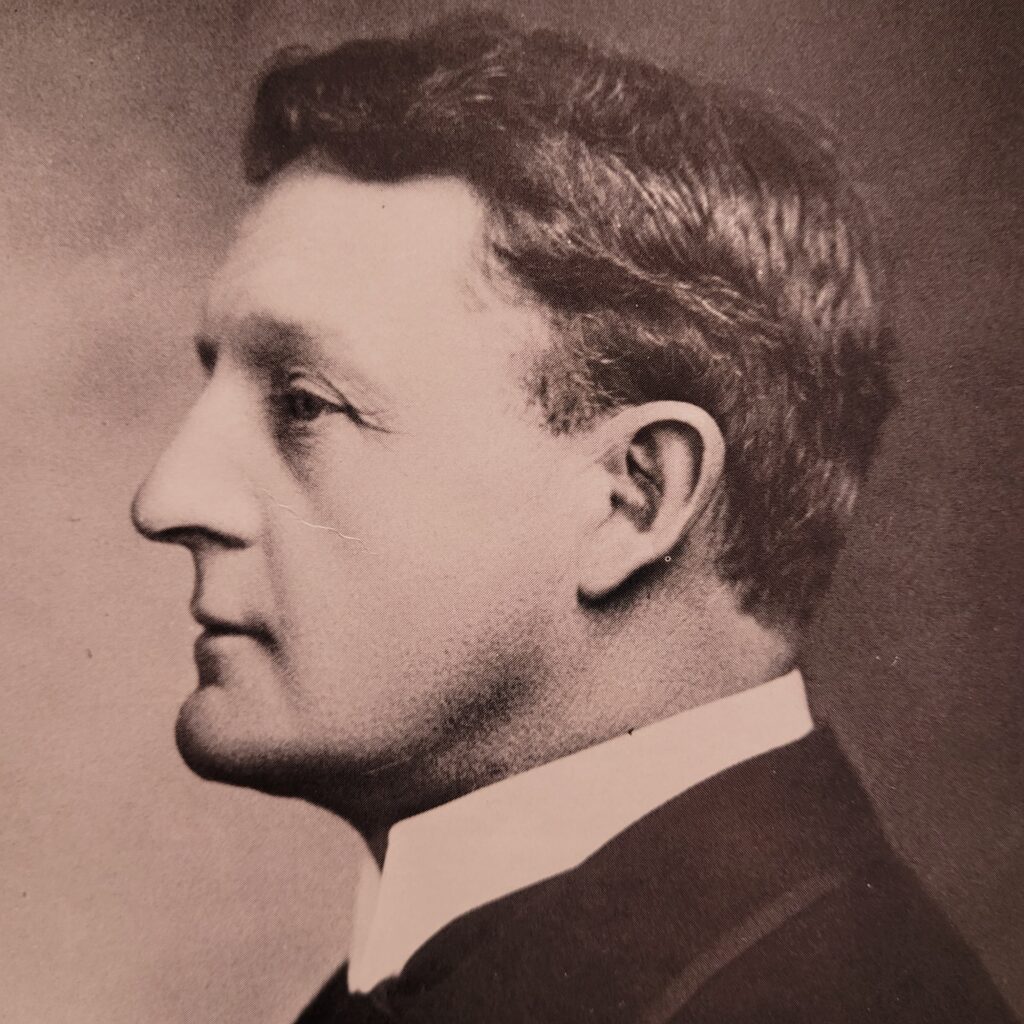
(Photo credit: Archives and Special Collections, Western Libraries, Western University)
For two and a half years, Beck served simultaneously as both the Mayor of London and an MPP. It was an extraordinary concentration of local and provincial power, and it gave him the perfect platform for the vision that would define his legacy. He saw something others were slow to grasp: that the thundering waters of Niagara Falls, 200 kilometers away, could power the homes, farms, and factories of ordinary Ontarians.
The Fight for Public Power
In July 1905, Beck was appointed to head a hydroelectric commission of inquiry. What began as a fact-finding mission soon became a crusade. At the time, private power companies controlled the electricity generated at Niagara Falls, and they were charging rates that put this transformative technology out of reach for most citizens.
Beck believed deeply in a simple principle: dona naturae pro populo sunt – the gifts of nature are for the people. He envisioned a publicly owned system that would deliver power at cost, not for profit. But his own cabinet colleagues opposed him. Undeterred, Beck took his case directly to the public.
Using a mix of political showmanship, dramatic price cutting, and sheer force of personality, he built the Hydro-Electric Power Commission of Ontario, the precursor to today’s Ontario Hydro and Hydro One. By 1908, his vision proved so popular at the polls that he returned to the legislature with a dual mandate from both municipal and provincial electorates. He was no longer just a politician; he was an electrical messiah with a mandate.
London Connects to Niagara Falls
On October 11, 1910, the city of Berlin (now Kitchener) became the first municipality to receive power from Beck’s newly operational public grid. Just 50 days later, on November 30, 1910, London made history as the second city in Ontario to be wired into the Niagara Falls hydroelectric system.
For Londoners, the arrival of “hydro” wasn’t just a utility hookup; it was a civic celebration. Beck organized theatrical “turning-on” ceremonies in town after town, using each festival to champion the triumph of public power over private greed.
From that moment forward, London’s identity became deeply intertwined with the promise of clean, abundant, affordable electricity.
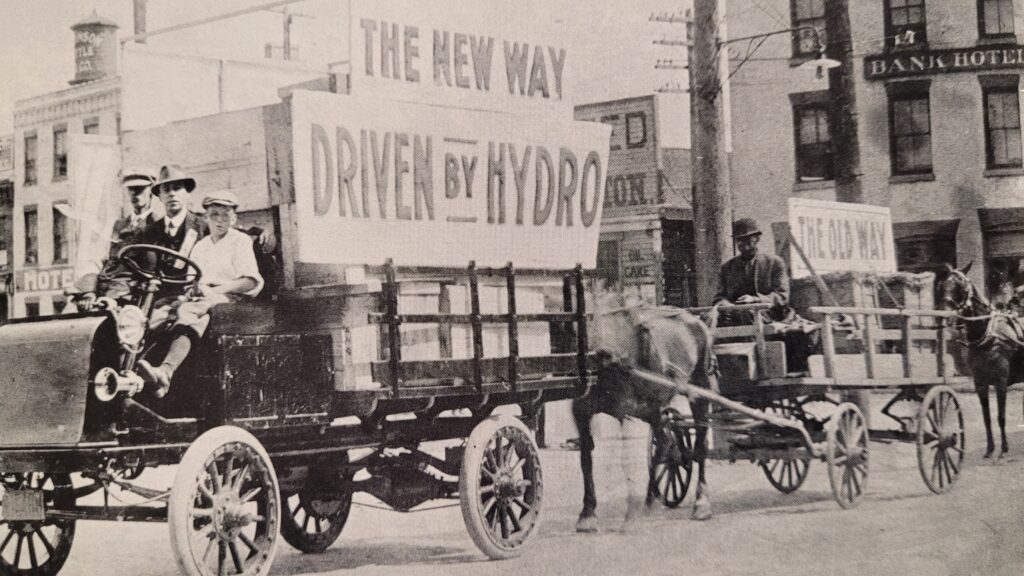
(Photo credit: Archives and Special Collections, Western Libraries, Western University)
The Hydro Shop: A Retail Revolution on Dundas Street
This is where London’s story takes a truly unique turn. Beck understood something that many early proponents of electricity overlooked: generating power was only half the battle. To make his public system sustainable, he needed people to use it.
Enter the Hydro Shop, one of the most innovative retail experiments in Canadian history.
Established in 1912 by London’s Board of Water Commissioners (later the Public Utilities Commission), the Hydro Shop was a retail store with a mission. Its purpose was to encourage the use of electrical appliances in the home, making life easier for homemakers while building a customer base for the power flowing all the way from Niagara Falls.
The Hydro Shop would become a hub of domestic innovation.
Marketing Strategies Ahead of Their Time
Long before modern retail tactics, the Hydro Shop was experimenting with:
- Free home trials (so you could test a new electric range before buying)
- Cooking demonstrations in its showroom
- Installment payment plans to make appliances affordable for working families
It was the first store of its kind in Ontario, and its impact was staggering. The Hydro Shop helped attract and retain appliance manufacturers like McClary and Kelvinator to the region. It introduced the prototype for the Cascade 40 water heater, the first automobile block heater, and even a forerunner of the modern smart meter.
But perhaps its greatest claim to fame? London became the electric range capital of North America, with more electric stoves per capita than any other city on the continent. Thanks to the Hydro Shop, Londoners were cooking with electricity while much of the world still relied on wood and coal.
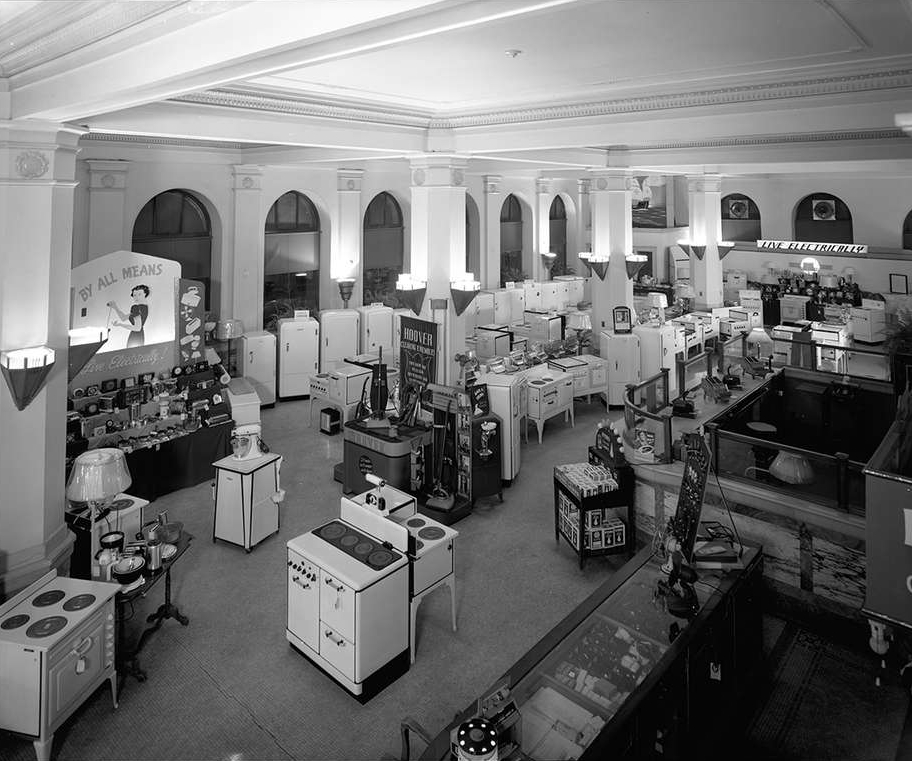
(Photo credit: Archives and Special Collections, Western Libraries, Western University).
Turning the Gifts of Nature Into Everyday Life
Beck’s motto, dona naturae pro populo sunt, wasn’t just a Latin phrase on a letterhead. Through the operation of the Hydro Shop and the municipal distribution system, he ensured that the benefits of affordable, reliable public power reached everyone: the farmer, the homemaker, and the small businessperson.
By 1956, the mission had been accomplished. Electrical appliances like kettles, stoves, refrigerators, air conditioners, mixers, and even curling irons had become commonplace. Private retailers had caught up with public demand, and the Hydro Shop closed its doors. But its legacy lived on in every London home that had been transformed by the convenience of electric living.
But to see how Beck got started with his most ambitious project, let’s go back in time to 1917.
The Queenston-Chippawa Project (1917-1921)
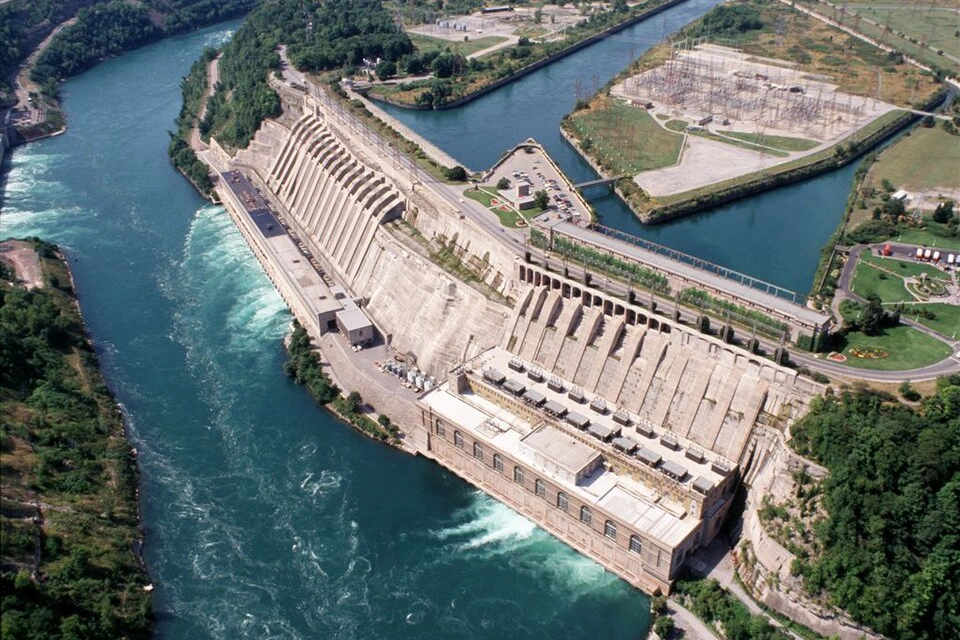
As the demand for electricity grew, especially to power wartime production during World War I, Beck set his sights on the natural power of Niagara Falls. He proposed diverting water from the upper Niagara River at Chippawa and channeling it around Niagara Falls through a massive canal to Queenston.
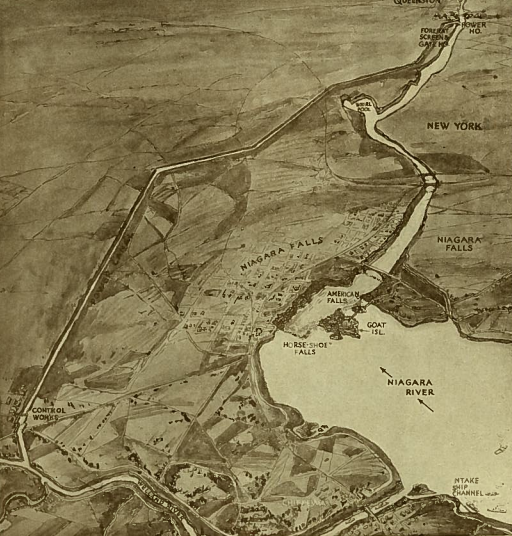
(Photo credit: The Hydro-Electric Power Commission of Ontario)
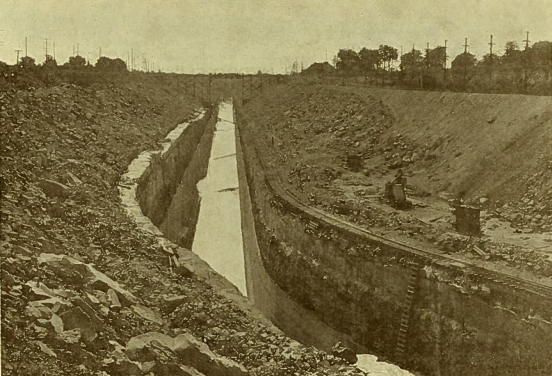
(Photo credit: The Hydro-Electric Power Commission of Ontario)
The engineering was audacious. By bringing water to the top of the Niagara Gorge at Queenston, Beck could create a man-made waterfall with a drop of 97 metres, three times the head available at the existing private generating stations near the Falls. Every cubic foot of water flowing through this system would produce nearly 30 horsepower of energy.
When the Queenston-Chippawa Hydroelectric Plant first began producing power in 1922, it was the largest hydroelectric generating station in the world.
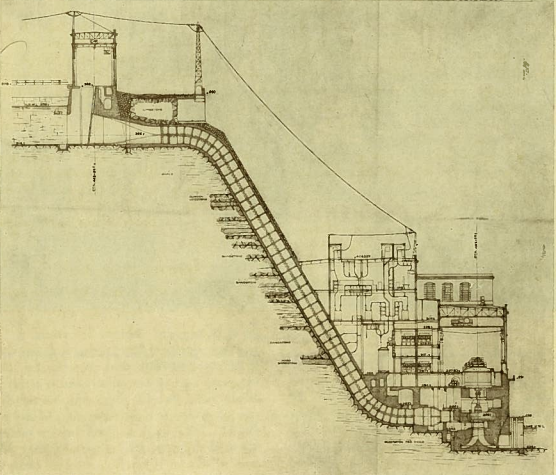
(Photo credit: The Hydro-Electric Power Commission of Ontario)
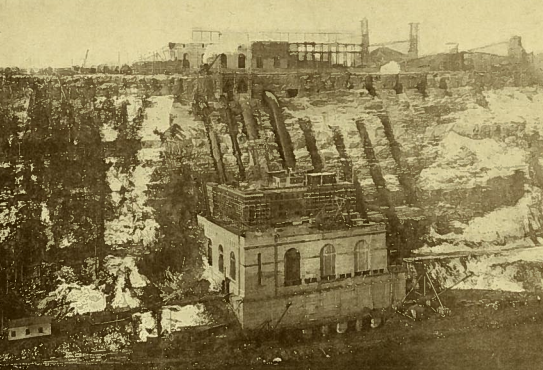
(Photo credit: The Hydro-Electric Power Commission of Ontario)
In 1950, on the 25th anniversary of Beck’s death, it was renamed Sir Adam Beck Hydroelectric Generating Station No. 1 in his honor.
In 1990, it was designated a National Historic Site.
The Next Power Station
Three decades after constructing Adam Beck I, Ontario Hydro began constructing its second Generation Station.
Even more ambitious this time around, the Sir Adam Beck Generating Station No 2 once again became the world’s largest hydroelectric plant when it opened in 1954
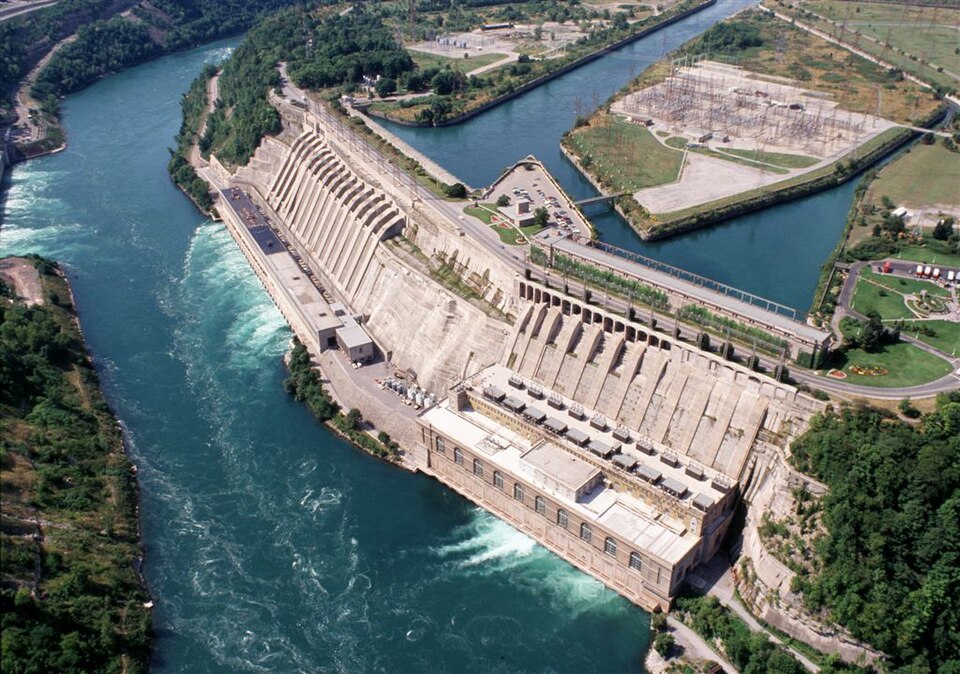
(Photo credit: Ontario Power Generation)
Challenges and Controversies: The Price of Building an Empire
Adam Beck was knighted in 1914 for his contributions to society, specifically for pioneering public ownership of electricity and establishing the Hydro-Electric Power Commission of Ontario (now Ontario Hydro).
Beck was a visionary, but he was also a man who made enemies. Brusque and overbearing, he frequently rammed his projects forward over the objections of his own government colleagues. His ruthless determination to expand Hydro, with little regard for cost, eventually led to calls for accountability.
The Gregory Commission hearings in the 1920s questioned his management style, planning methods, and political accountability. Yet even his critics could not deny his accomplishments. By 1923, Hydro served 393 municipalities across Ontario. Beck had built a publicly owned integrated electric system on a scale the world had never seen.
When he died in 1925, monuments were erected in his memory. But as those who knew him understood, his greatest monument was Hydro itself, a crown corporation delivering power at cost to municipally owned utilities. It was an institution that would outlive governments, ideologies, and generations.
Why Canadians Still Say “Hydro”
If you’ve ever been puzzled by why many Canadians call their electricity bill a “hydro bill” or refer to utility poles as “hydro poles,” now you know. Canada remains one of the world’s largest producers of hydroelectricity, with hydroelectricity accounting for roughly 60% of the country’s electricity generation.
To that point, the following Canadian cities get most of their power from hydroelectric sources:
- Montreal – 99%
- Winnipeg – 97%
- St. John’s, Nfld – 95-98%
- Vancouver -90%
- Whitehorse – 70%
While today’s grid includes nuclear, gas, and renewables, the legacy of public hydroelectric development, championed by Sir Adam Beck, remains embedded in the way we talk about power today.
Beck’s Legacy in London
Locally, London Hydro provides power to the city. As a wholly-owned subsidiary company, London Hydro operates much like a private entity under the Ontario Business Corporations Act, paying an annual dividend to its sole shareholder, the City of London.
In essence, all Londoners own London Hydro.
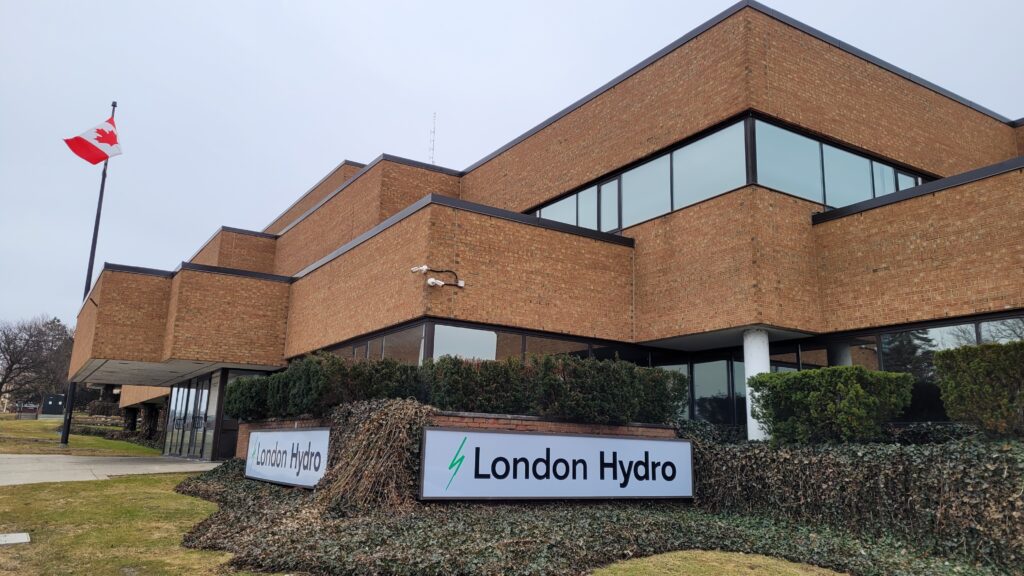
(Photo credit: Lawrence Durham)
Come Discover London
Whether you’re strolling through our historic downtown, admiring the heritage architecture that once housed the Hydro Shop, or simply enjoying a coffee at a café powered by a grid Sir Adam Beck helped build, you’re walking in the footsteps of a man who believed that the gifts of nature belonged to everyone.
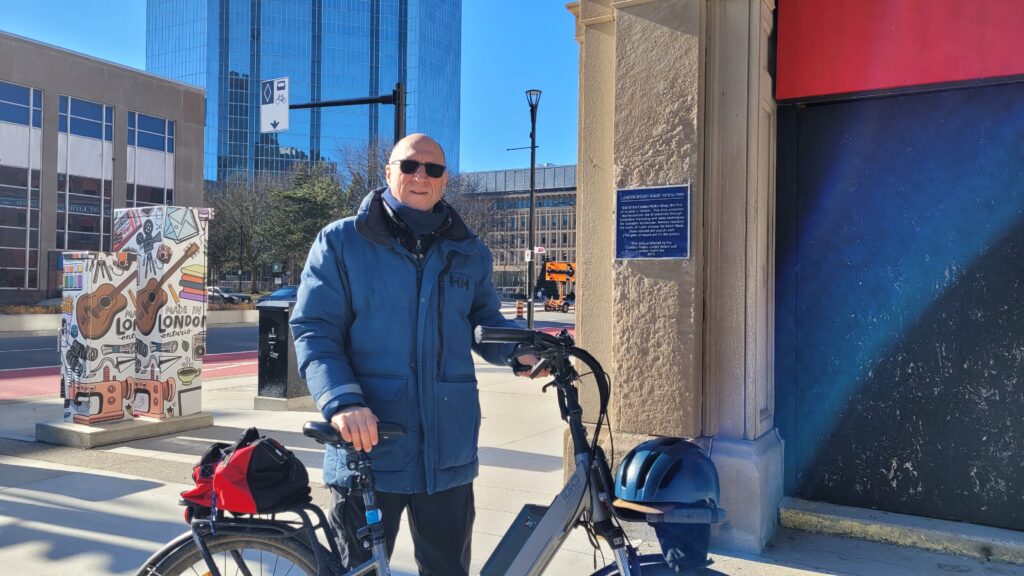
(Photo credit: Lawrence Durham)
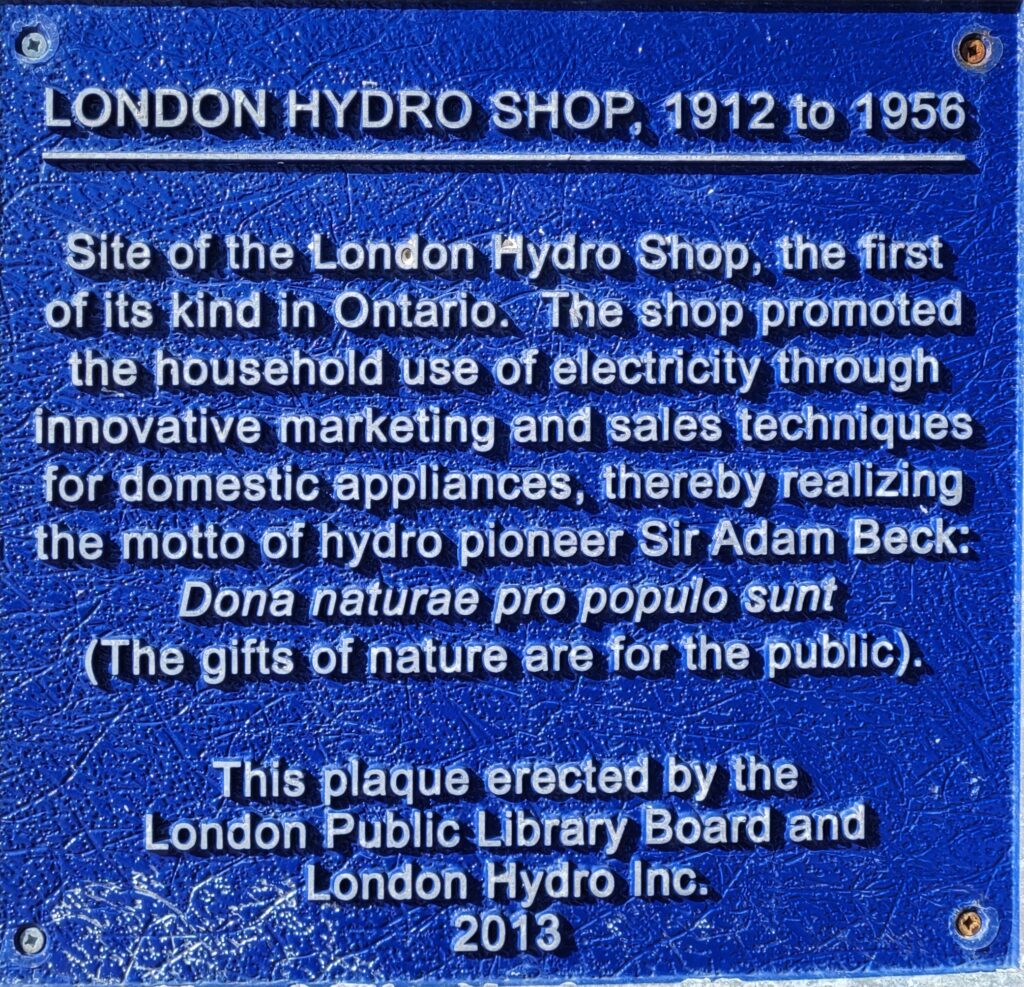
Hi. I’m Lawrence—bicycle tour guide, storyteller, and unabashed London booster.
I love nothing more than sharing the stories that make this city shine, from hidden architectural gems to the larger-than-life characters who shaped our streets. If you’re curious to see London from a different vantage point, and maybe learn a few more tales like Sir Adam Beck’s along the way, I’d be delighted to show you around. Small groups, big laughs, and plenty of local lore await.
Leave a Reply