

London’s nickname as ‘The Forest City’ just became more official after the Canadian Institute of Forestry named it the Forest Capital of Canada for 2026.
However, being known for its forests didn’t start as an honour.
Originally, it was an insult.
The Joke That Stuck
In the late 18th century, Governor John Graves Simcoe had grand visions for this area. He dreamed of a prosperous capital in Upper Canada, a place he would name London after the great metropolis back home in England. But when early surveyors and visitors arrived at the designated site, they found not a city, but a dense, almost impenetrable wilderness.
The British government was likely amused by the disconnect between Simcoe’s grand ambition and the very modest reality. They began to mockingly refer to the settlement as “The Forest City.” It was a sarcastic jab at a town that was little more than a remote clearing in the middle of nowhere. Other names of the era, like “London-in-the-Bush,” reinforced the idea that this was an isolated outpost where visitors had to clamber through thick woods just to reach the village.
For decades, the nickname was a gentle slap in the face, a reminder of how far the city was from its intended glory.
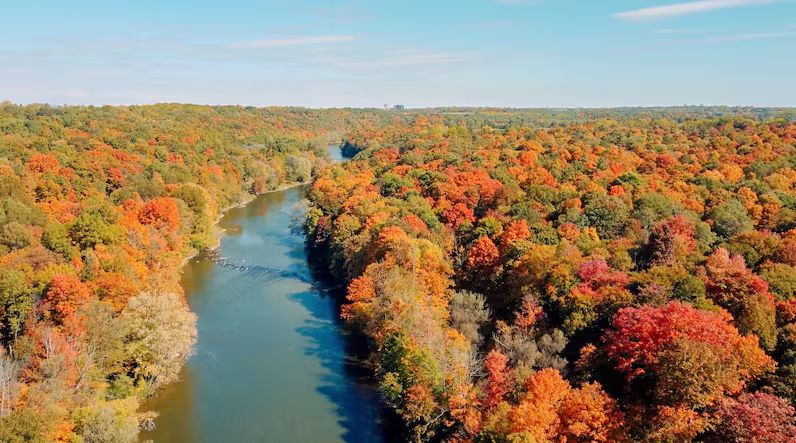
(Photo credit: Travis Dolynny/CBC)
Growing Into the Name
By 1871, much of the original forest had been cleared for development, and London had lost its defining feature: its forest.
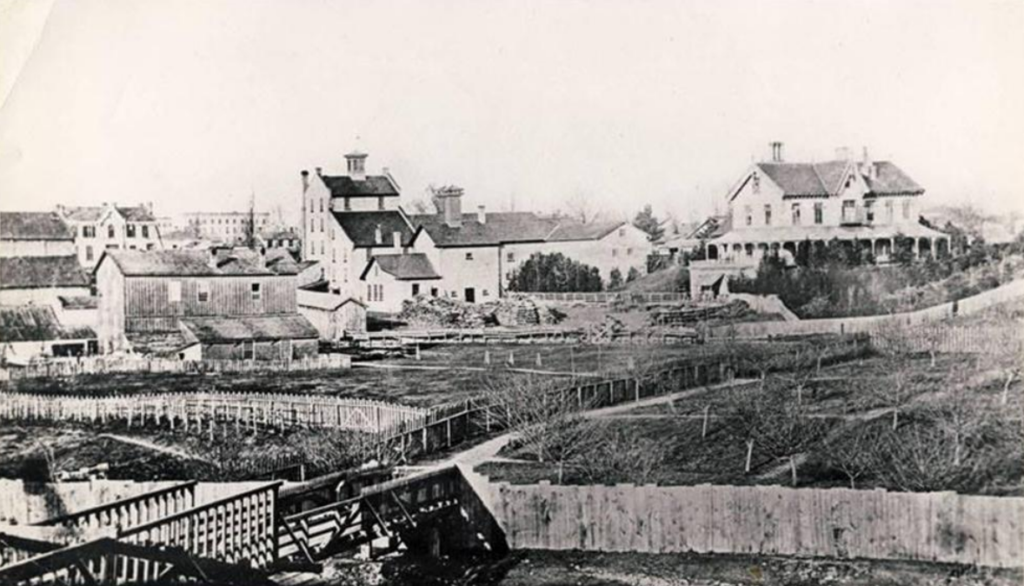
(Photo credit: Western Archives, Labatt Brewing Company Collection, AFC 101)
In a visionary move, the London city council at the time launched a massive campaign to buy and plant 15,000 trees (at 25 cents each) along city streets and in Victoria Park. It was one of Canada’s first large-scale municipal tree-planting initiatives, and it marked the moment London began to embrace its identity.
What was once an insult slowly became a promise. Londoners took stewardship of their urban forest seriously, and over the following century, the city was transformed into the lush, green landscape we see today.
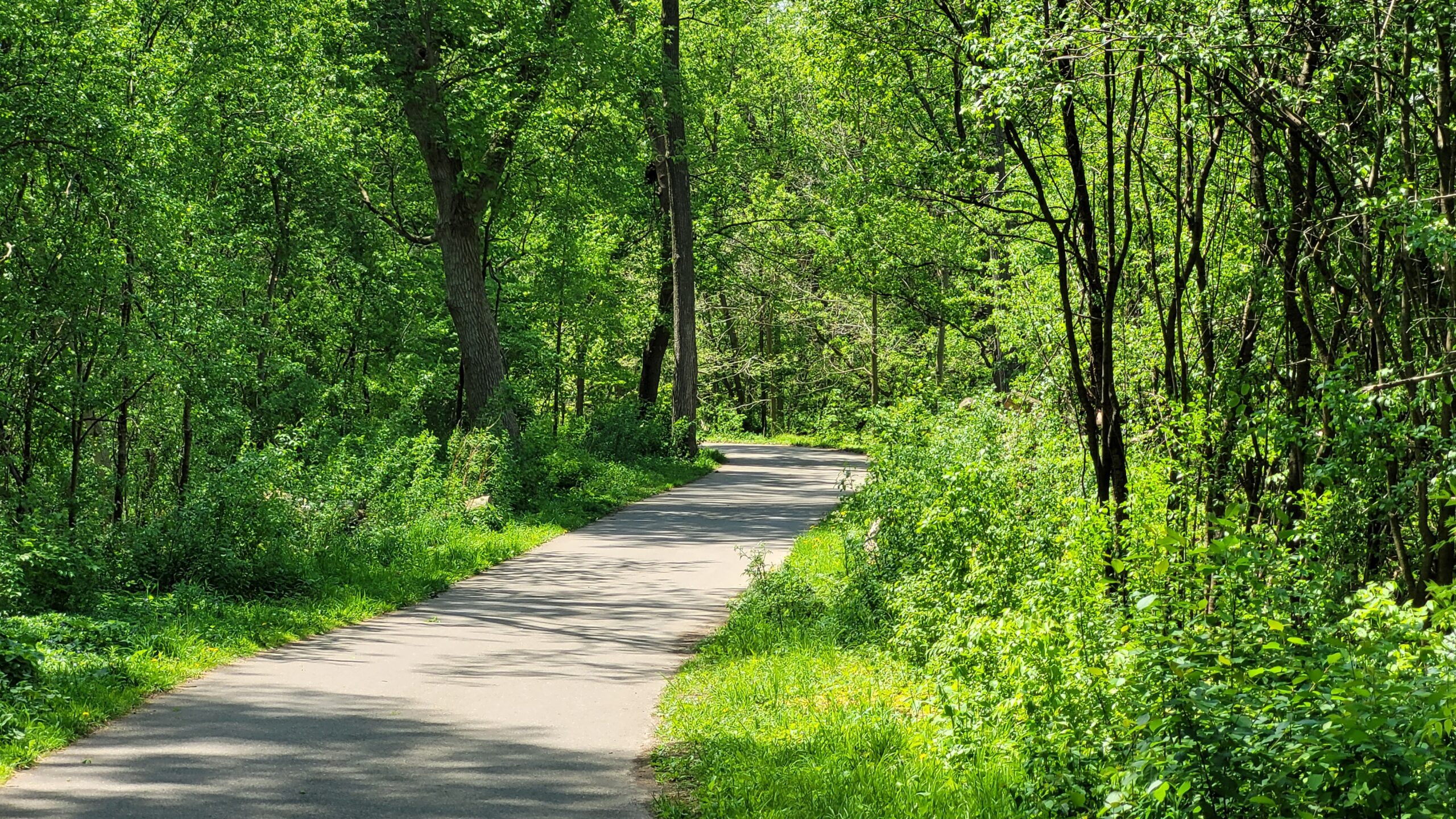
(Photo credit: Lawrence Durham).
The Forest Capital of Canada 2026
Fast forward to 2026, and the narrative has come full circle. Being named the Forest Capital of Canada celebrates London’s leadership in forest conservation and urban forestry.

(Photo credit: Mike Hensen/The London Free Press)
This isn’t just a ceremonial title. It reflects decades of deliberate strategy and community commitment. The city currently boasts an extensive urban forest of roughly 8.4 million trees, covering 27% of its urban area. But we’re not stopping there. The long-term goal is to increase that canopy cover to 34% by 2065, ensuring that London remains a verdant sanctuary for generations to come.
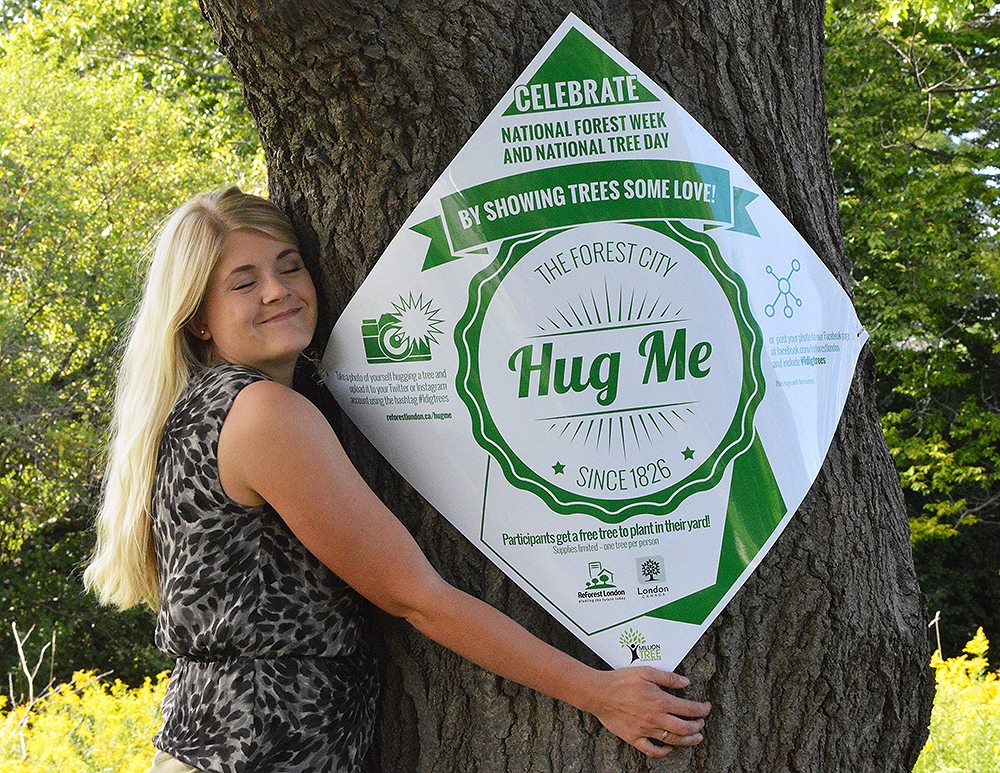
(Photo credit: ReForest London).
For visitors, this means that whether you’re strolling through downtown or exploring a residential neighbourhood, you’re never far from the calming presence of a mature tree.
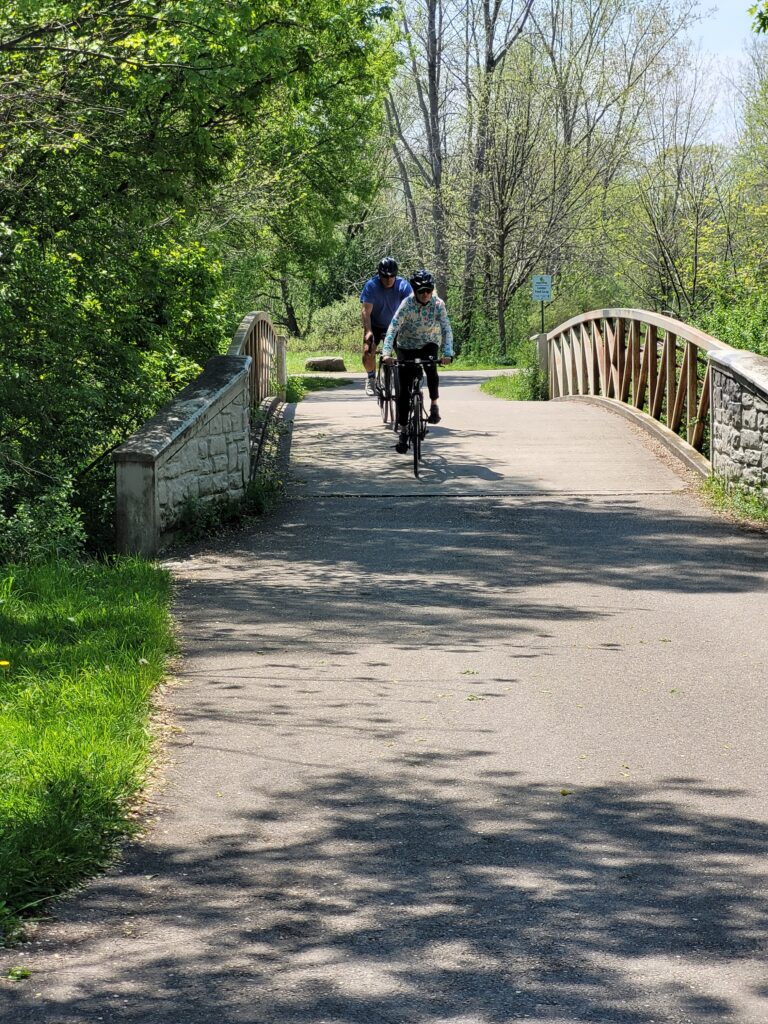
(Photo credit: Lawrence Durham).
A City of Strategies and Protections
London’s modern reputation as a forest leader isn’t accidental. It is supported by a robust framework designed to protect, manage, and expand our green infrastructure. People who appreciate thoughtful urban planning will find much to admire here.
Key initiatives include:
- The Urban Forest Strategy: A guiding document that shapes how we protect and enhance our green spaces.
- Tree Protection By-law: Consolidated tree protection laws ensure that mature trees are preserved, even as the city grows.
- Tree Canopy Conservation Program: This initiative helps protect the city’s most significant and ancient trees.
These policies work together to safeguard the forest that defines London’s character.
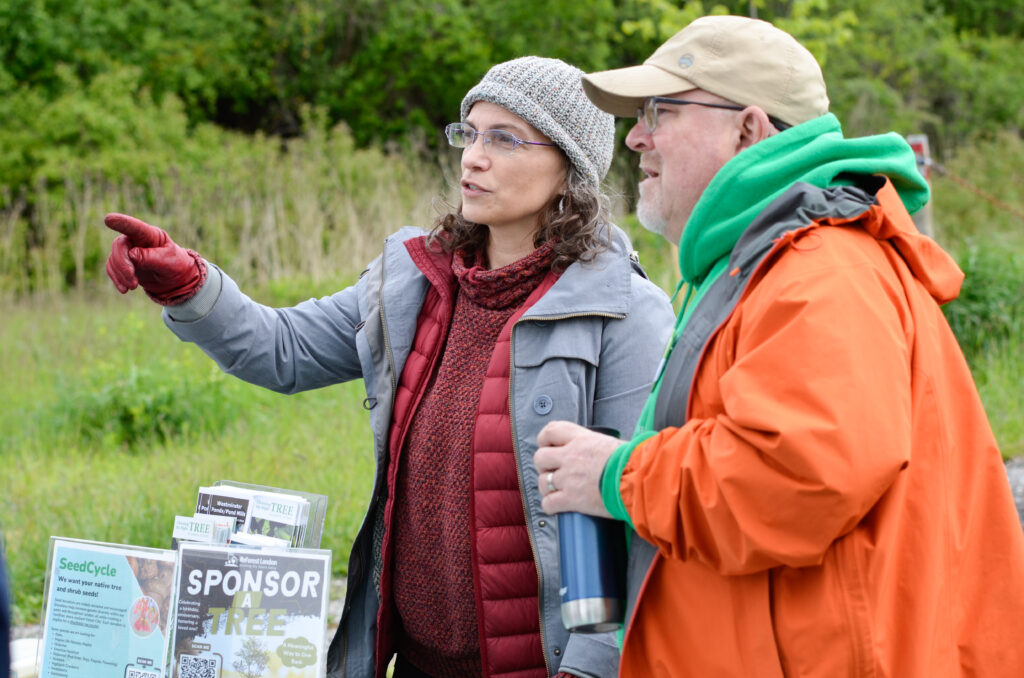
(Photo credit: ReForest London).
The Heart of the Effort: Community and Collaboration
One of the most compelling aspects of London’s forest story is the degree of community involvement. Because a significant percentage of the city’s trees are on private property, the success of the urban forest depends on residents, non-profits, and businesses working together.
ReForest London is a cornerstone of this effort. This passionate organization runs planting and growing programs, hosts the Million Tree Challenge, and operates a community tree nursery at the Westminster Ponds Centre. Through events, volunteers, donors, and sponsors, they are putting trees in the ground and cultivating a culture of environmental stewardship.
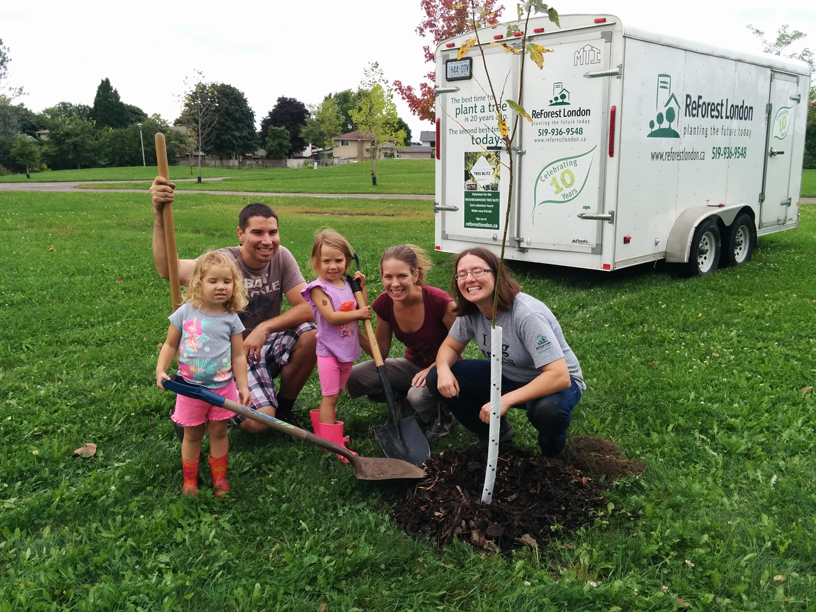
(Photo credit: ReForest London).
Similarly, the London Environmental Network has a vision that aligns perfectly with the city’s official goals: to see London known as one of the greenest and most resilient cities in Canada.
Facing the Future: Challenges and Resilience
Of course, maintaining a healthy urban forest is not without some obstacles. Understanding these challenges adds a layer of appreciation for the green spaces we enjoy.
London’s trees face threats from:
- Climate Change: Shifting weather patterns and extreme events put stress on tree populations.
- Urban Growth: Balancing development with preservation requires careful planning.
- Invasive Pests: Species like the Emerald Ash Borer and Gypsy Moth have posed significant risks to the city’s tree diversity.
Despite these obstacles, the city remains resilient.
Located in the Carolinian Forest region, one of the most biodiverse zones in Canada, London benefits from a rich natural inheritance. A focus on diversity means planting native species to ensure that the forest can adapt and thrive even as new challenges emerge.
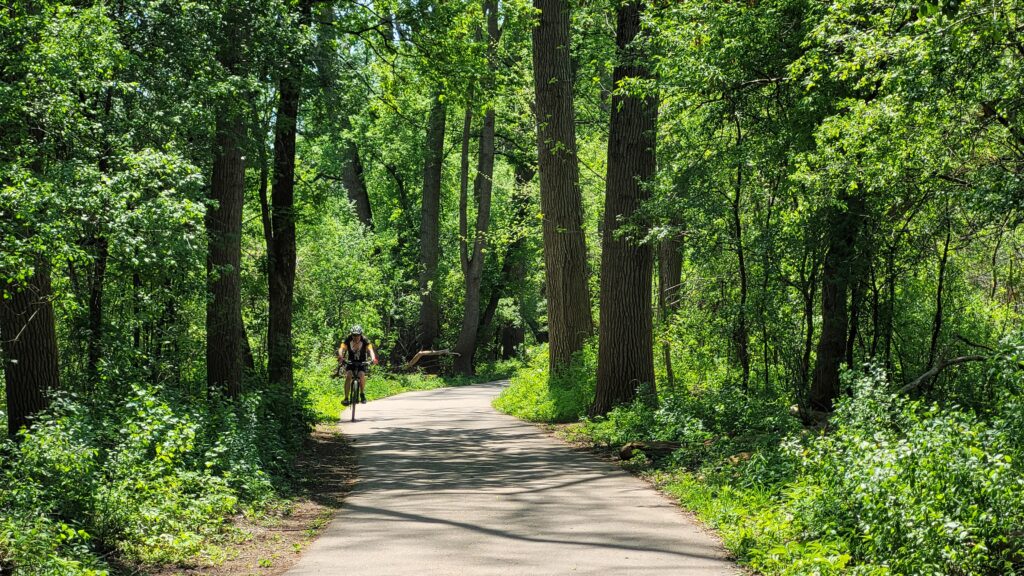
(Photo credit: Lawrence Durham).
Experience the Forest Up Close
For Londoners, the forest isn’t just a backdrop; it’s an experience.
Whether you want to explore more than 290 woodlands or 21 Environmentally Significant Areas located within our urban growth boundary, wander through Victoria Park, or simply enjoy a coffee beneath a century-old maple, the forest is waiting to be discovered.
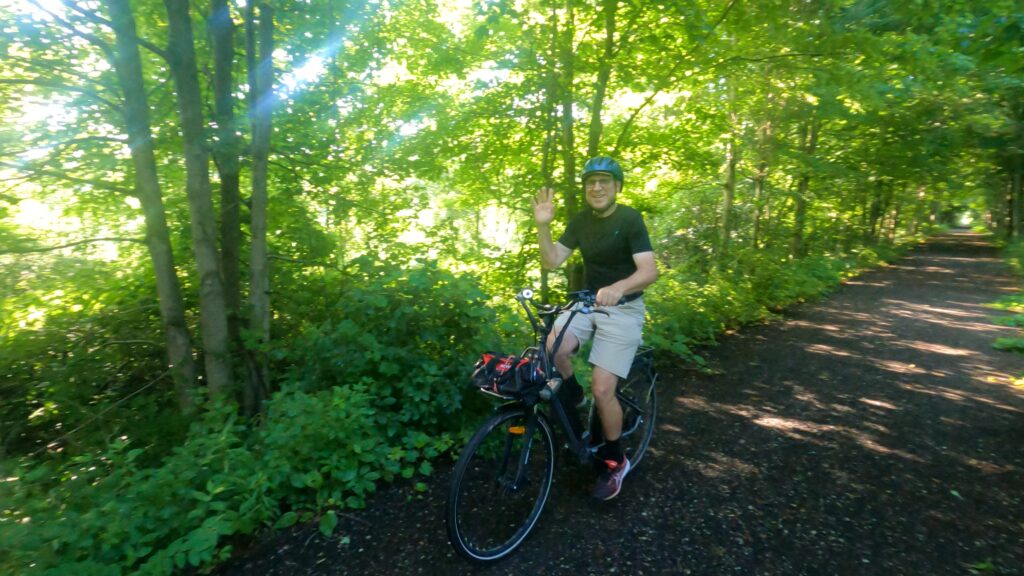
(Photo credit: Lawrence Durham).
Hi. I’m Lawrence, bicycle tour guide, storyteller, and proud Londoner. I’m on a mission to share the surprising stories and hidden green spaces that make this city special. If you’d like to experience the Forest City from the best seat in the house (a bicycle seat, obviously), I’d love to show you around. Click here to learn more! Small groups, big laughs, and plenty of tree-lined routes await.
Photo credit for the featured cover photo: City of London.
Leave a Reply